What makes the Wachau so charming
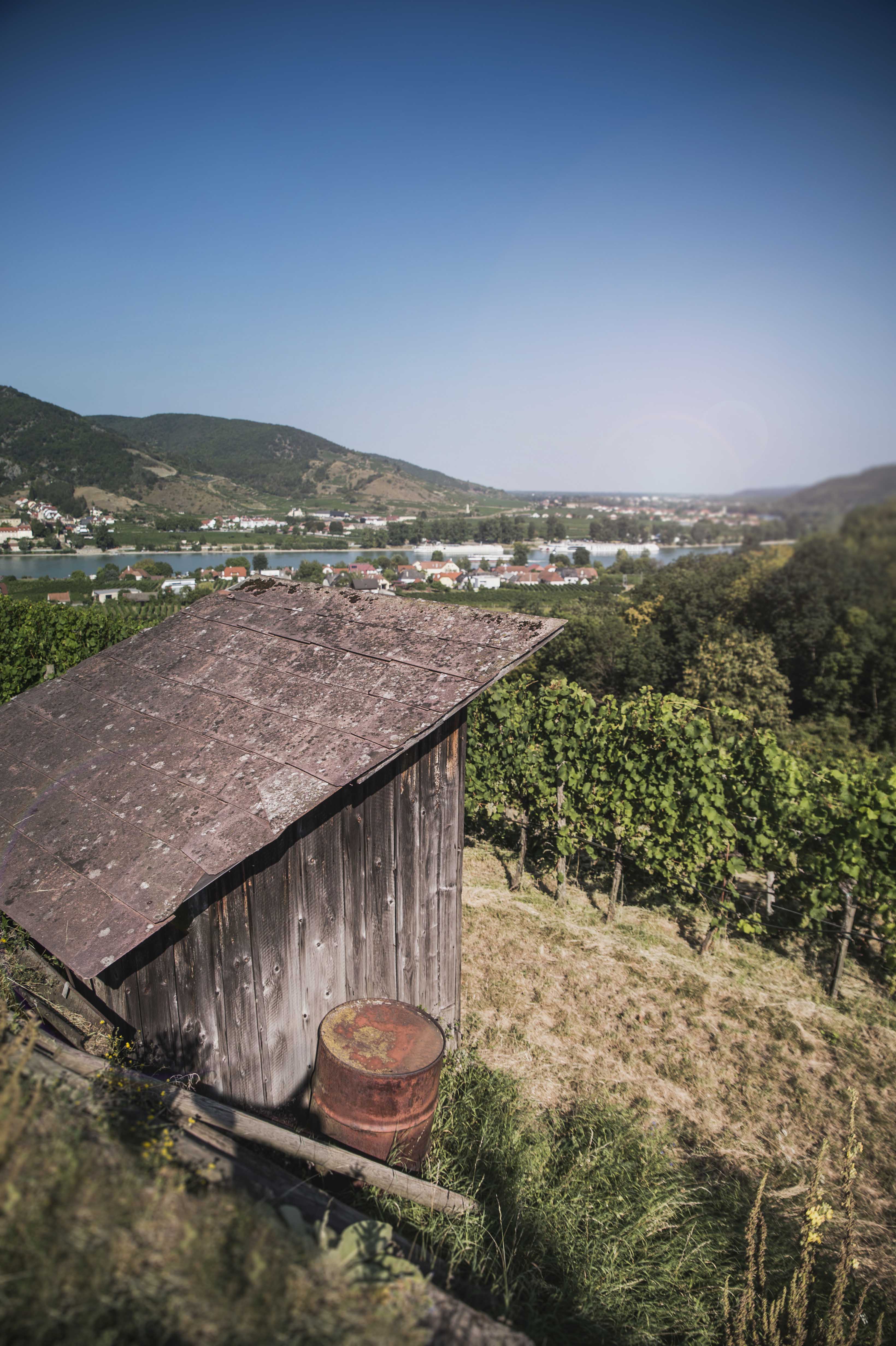
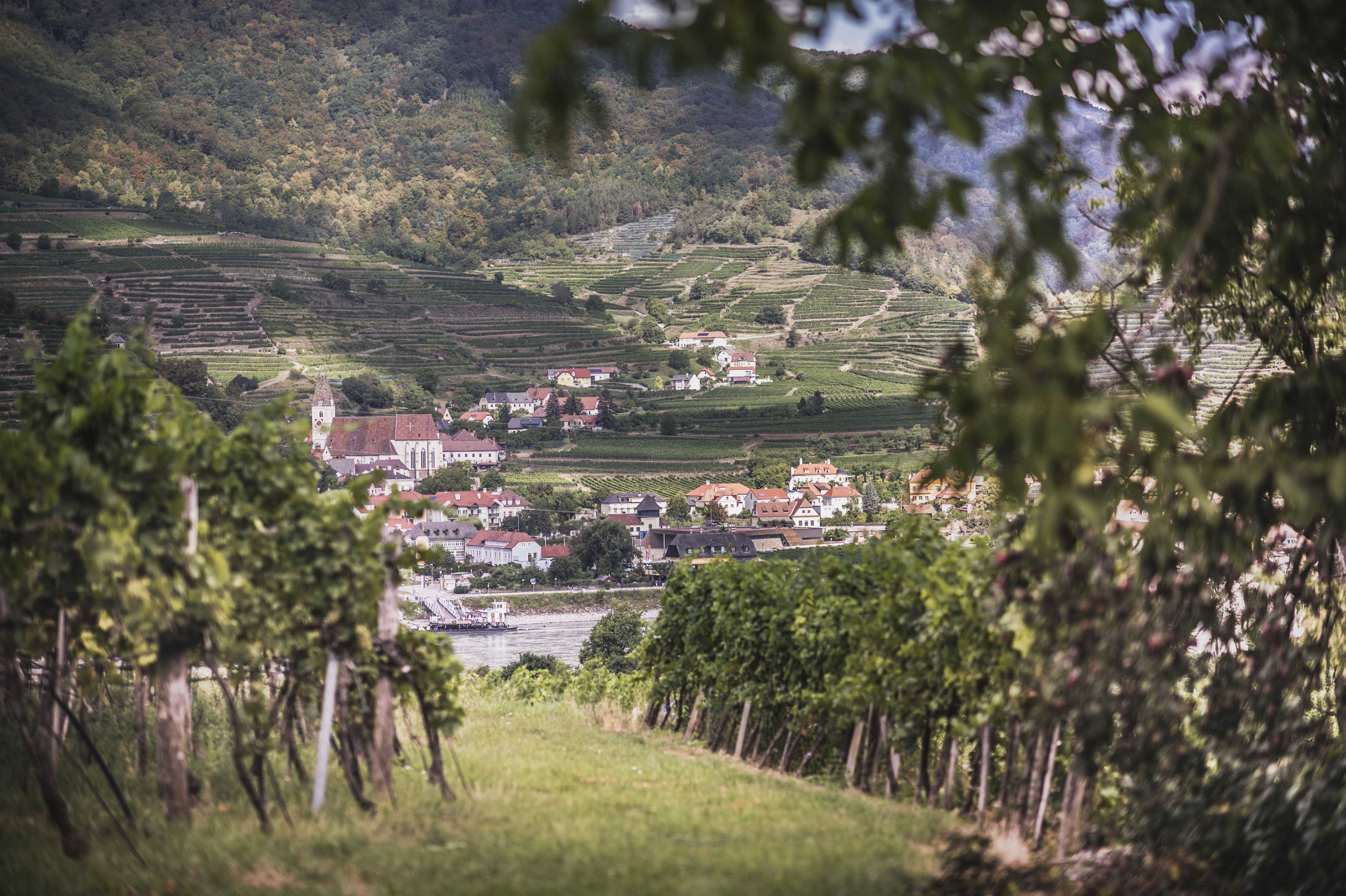
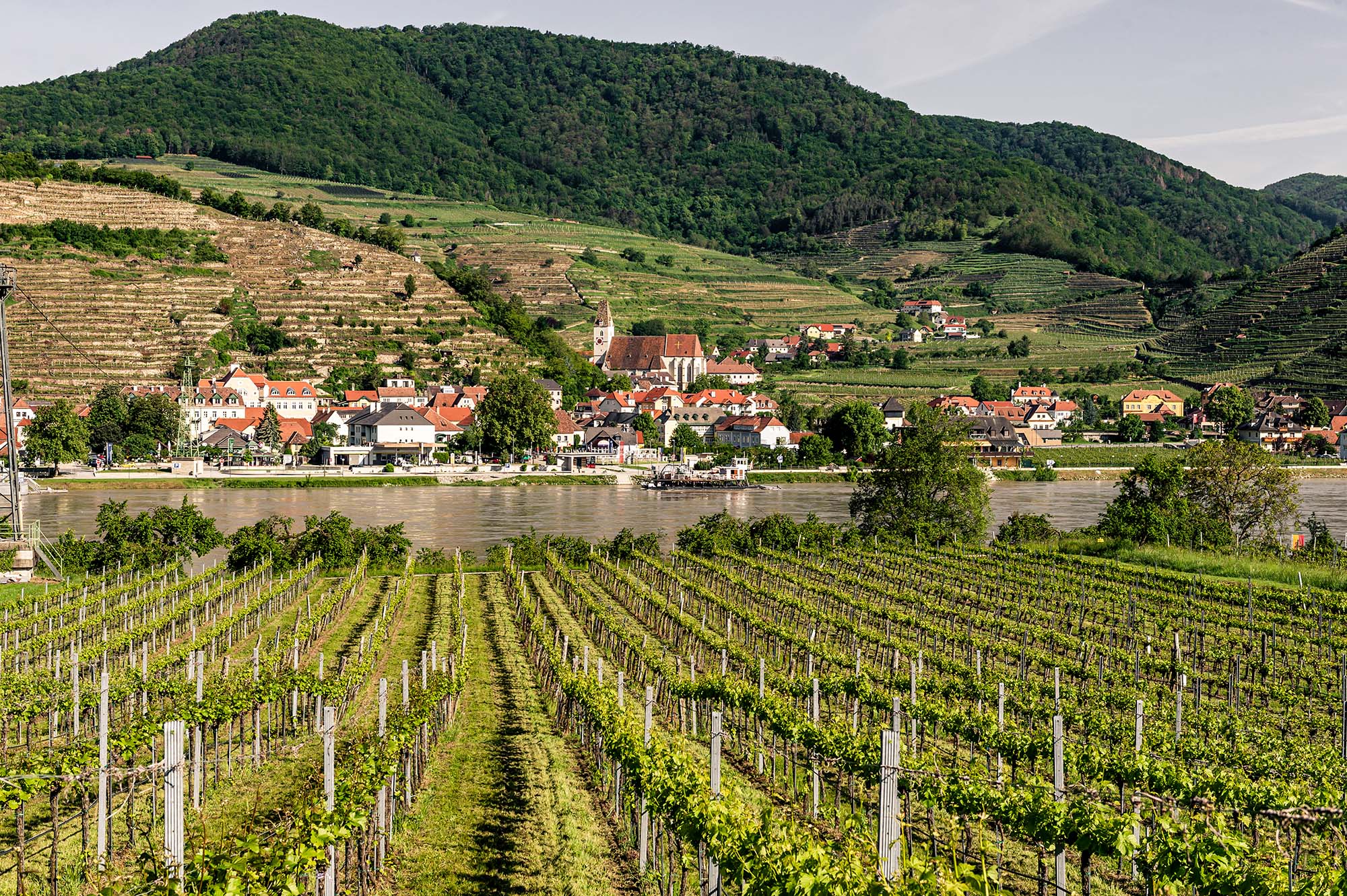
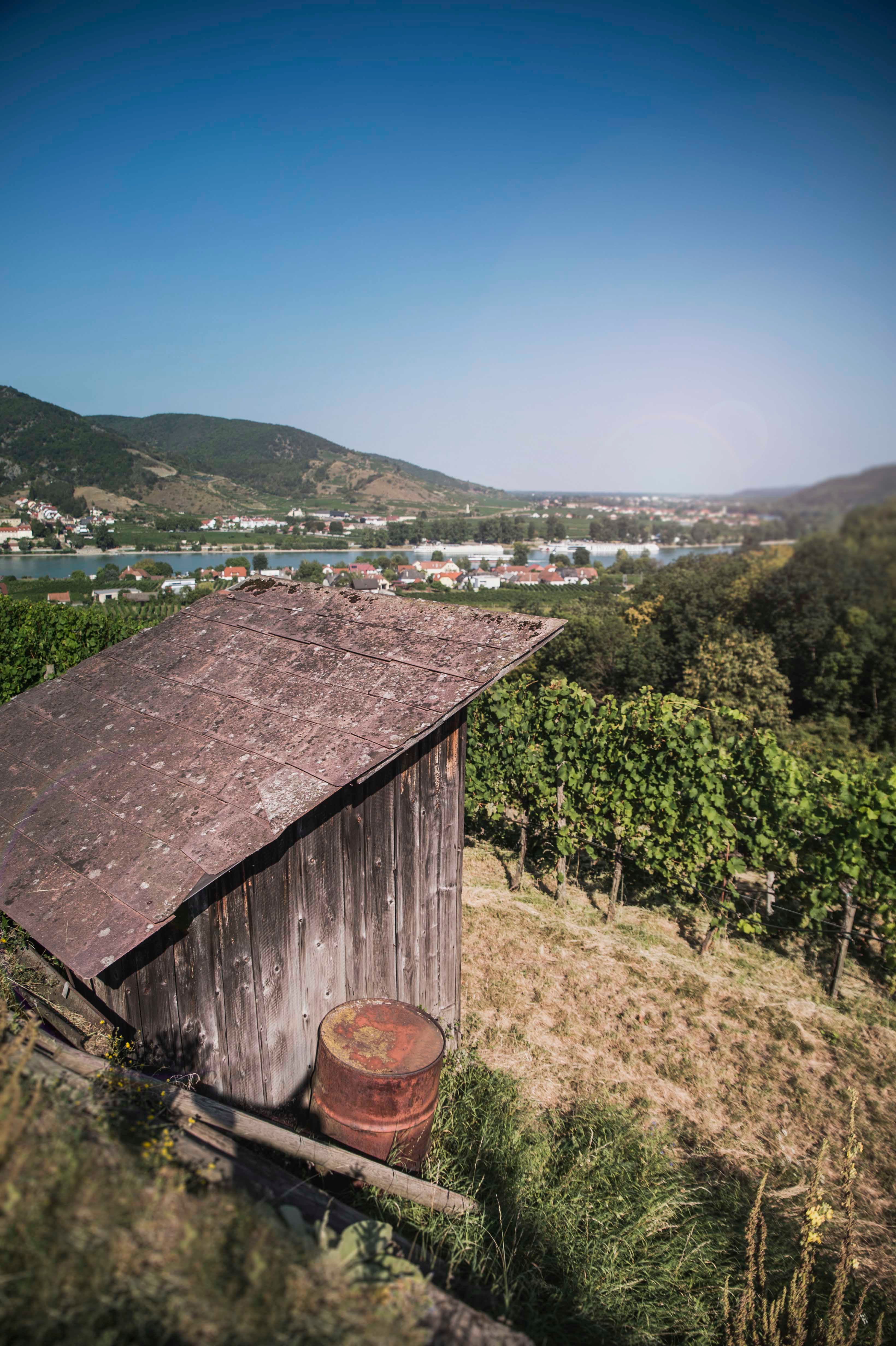
A wayside shrine from the late Middle Ages, a rest bench - and a beautiful view "over" to Spitz with its hipped roofs. In places like these, where the view sweeps far and wide, it really becomes clear: "huddling" is a foreign word in the Wachau. Instead, one village nestles compactly next to another in the landscape. In between are vineyards, forests and rocks. A landscape that rests in itself and interweaves culture and nature in the finest way.
This image has also been shaped by historical constraints: the dense construction of the villages left more space for viticulture and made it easier to defend them in troubled times. As one of the oldest settlement areas in Europe, the Wachau is also internationally recognized for its special value. This is made clear by the World Heritage Site award and the European Nature Conservation Diploma.
Would you have thought it?
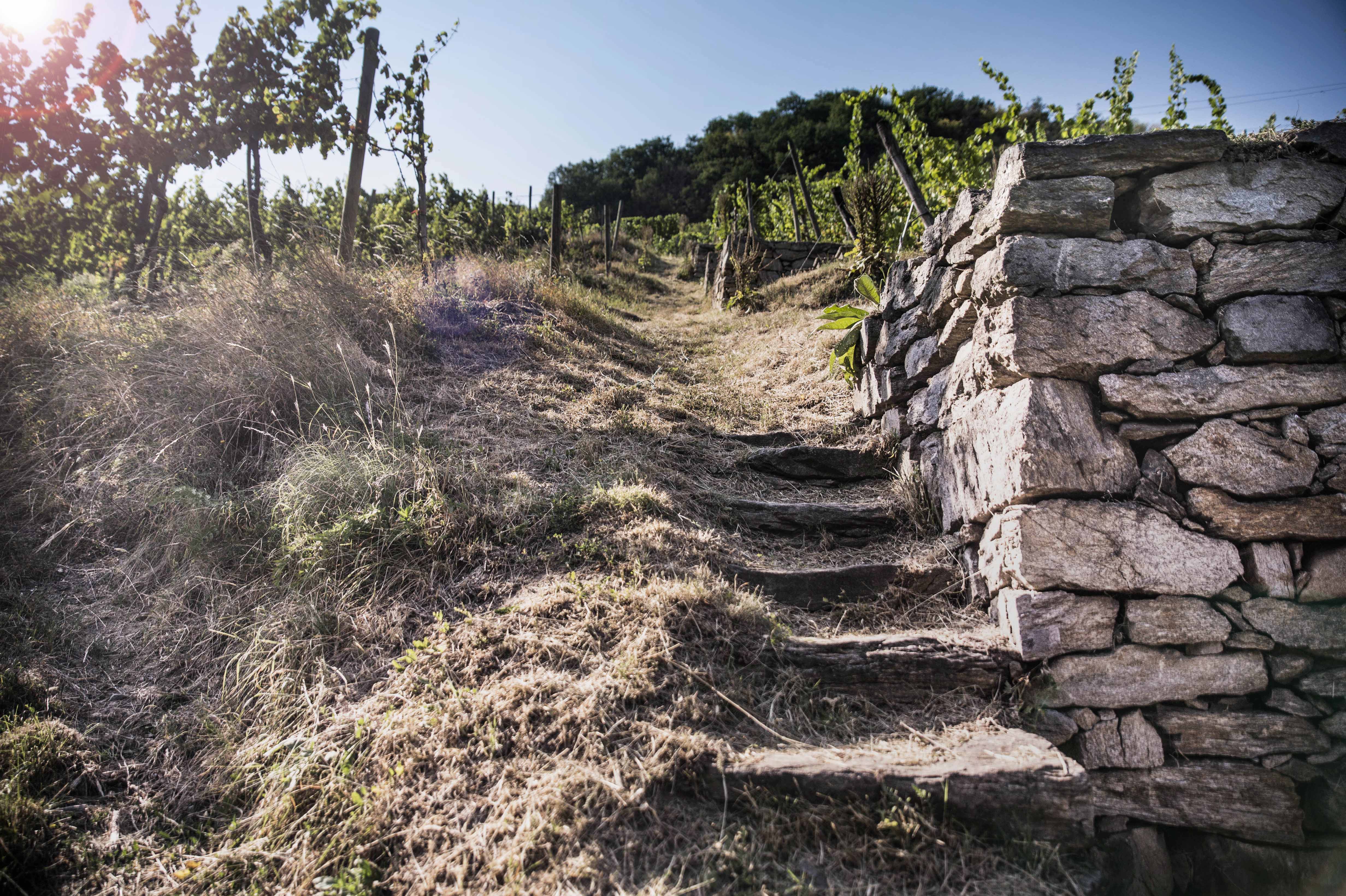
Here in the municipality of Rossatz-Arnsdorf, wine was already being cultivated in the early Middle Ages. Forest areas were cleared specifically for this purpose, and some stone terraces from this period have been preserved to this day. From the High Middle Ages to the 18th century, viticulture was mainly in the hands of the church. Monasteries often laid out the vineyards, which have been preserved to this day.