It is the second longest river in Europe and connects ten different countries: the Danube. Habitat, trade route, place of power, source of enjoyment – the Danube is so many things! It offers guests a wide variety of experiences all year round. Whether you are looking for peace and quiet, enjoyment or action.
The Danube rises in the Black Forest in Germany and flows into the Black Sea. 349 of its 2,857 kilometres flow through Austria – past historic towns, medieval villages and unique cultural landscapes such as the Wachau World Heritage Site. The Danube Limes on the southern bank once marked the border of the Roman Empire – a legacy that can still be experienced today.
The Nibelungengau in the far east, the Wachau and Kremstal valleys, the Kamptal and Traisental valleys, the Wagram and Tullner Danube region, the Marchfeld and the Carnuntum region: in Lower Austria, the Danube connects a wide variety of regions. If you follow their path, a varied time is guaranteed. Whether you prefer to be outdoors in nature or indoors in a museum. Whether you enjoy wine tasting or other regional products. Whether you paddle down the Danube or cross it in a traditional boat.
Its strength lies in its diversity – and the people who shape the area. Hospitality operators and award-winning chefs. Nature park rangers and artists. Winemakers who produce wines with character. Spending time in the regions along the Danube means experiencing personal encounters. See and taste the real thing. Simply being in the moment.
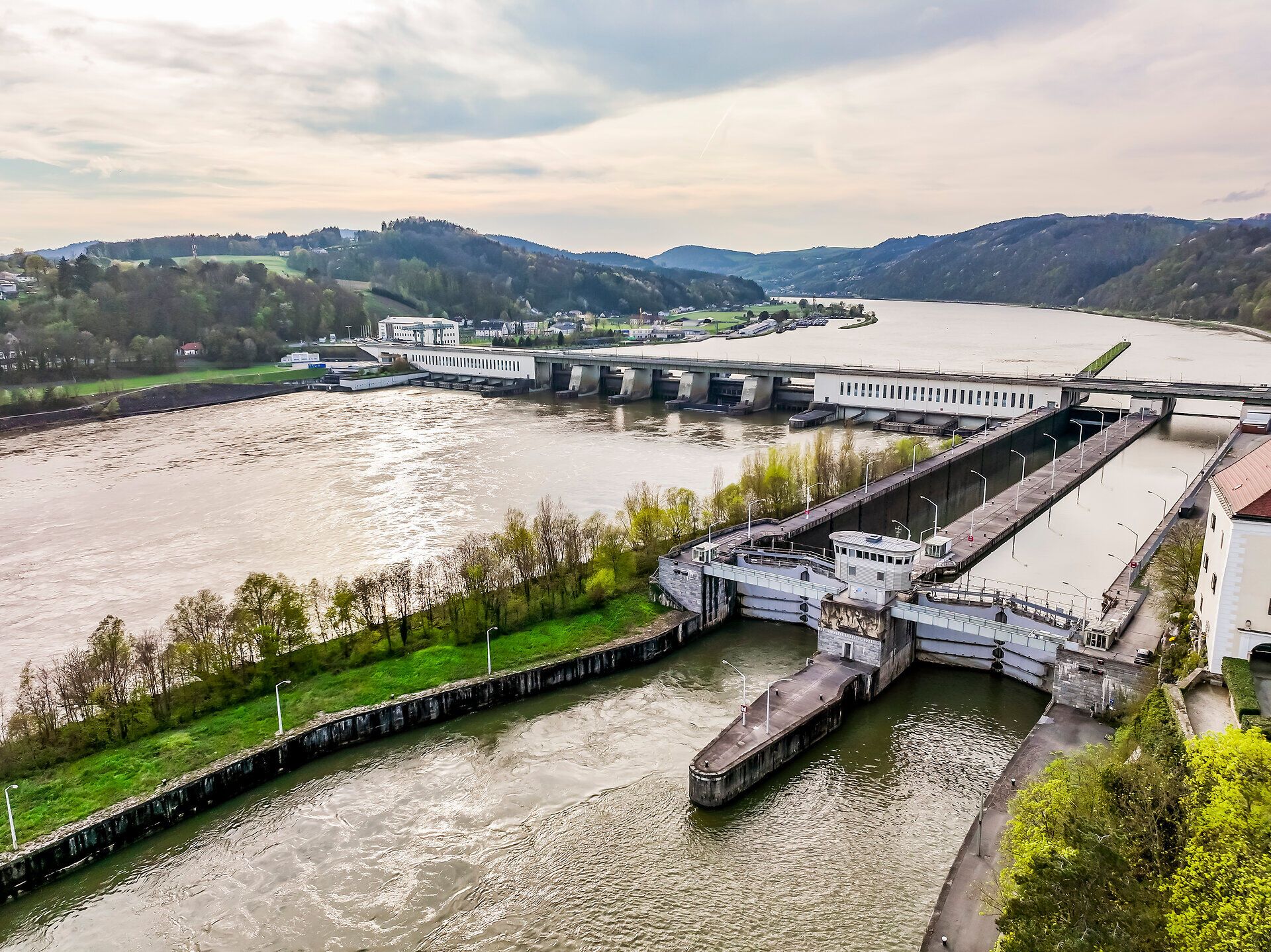
The Danube is not only a lifeline, but also an energy supplier. There are a total of eleven Danube power stations in Austria – four of which are located in Lower Austria: Ybbs-Persenbeug, Melk, Altenwörth and Greifenstein.
Originally, two more were planned: in Wachau and Hainburg. However, citizens protested to preserve the unique river landscapes – and they did so successfully. The power stations were not built and the last unregulated sections of the Danube were preserved.
Austria’s oldest Danube power plant dates back to 1958: Ybbs-Persenbeug continues to supply reliable clean energy to this day, with seven turbines powered by the river. It generates 1.3 billion kilowatt hours of electricity per year. The visitor power station is one of Lower Austria’s top tourist attractions. Various guided tours offer insights into the business – for children and adults alike.
Everywhere else, it is strictly regulated. The Danube can flow freely in only two areas of Lower Austria: in the Donau-Auen National Park and in the Wachau region. In these two floodplain landscapes, humans are merely guests. They are home to a seemingly endless variety of plant and animal species.
With an area of 9,600 hectares, the Donau-Auen National Park is the last large river floodplain landscape in Central Europe. The visitor centre is located in Orth an der Donau. From here, you can take shorter or longer walks – for example, to Castle Island (“Schlossinsel”), where you can experience the Au up close.
Smaller, but no less impressive: the Pritzenau near Rührsdorf in the Wachau region. It lies in the middle of the World Heritage Site like an island in the middle of the Danube. Here you can stroll past ancient trees, wide meadows and side arms, which are also home to rare fish species such as nase, streber and Danube sturgeon.
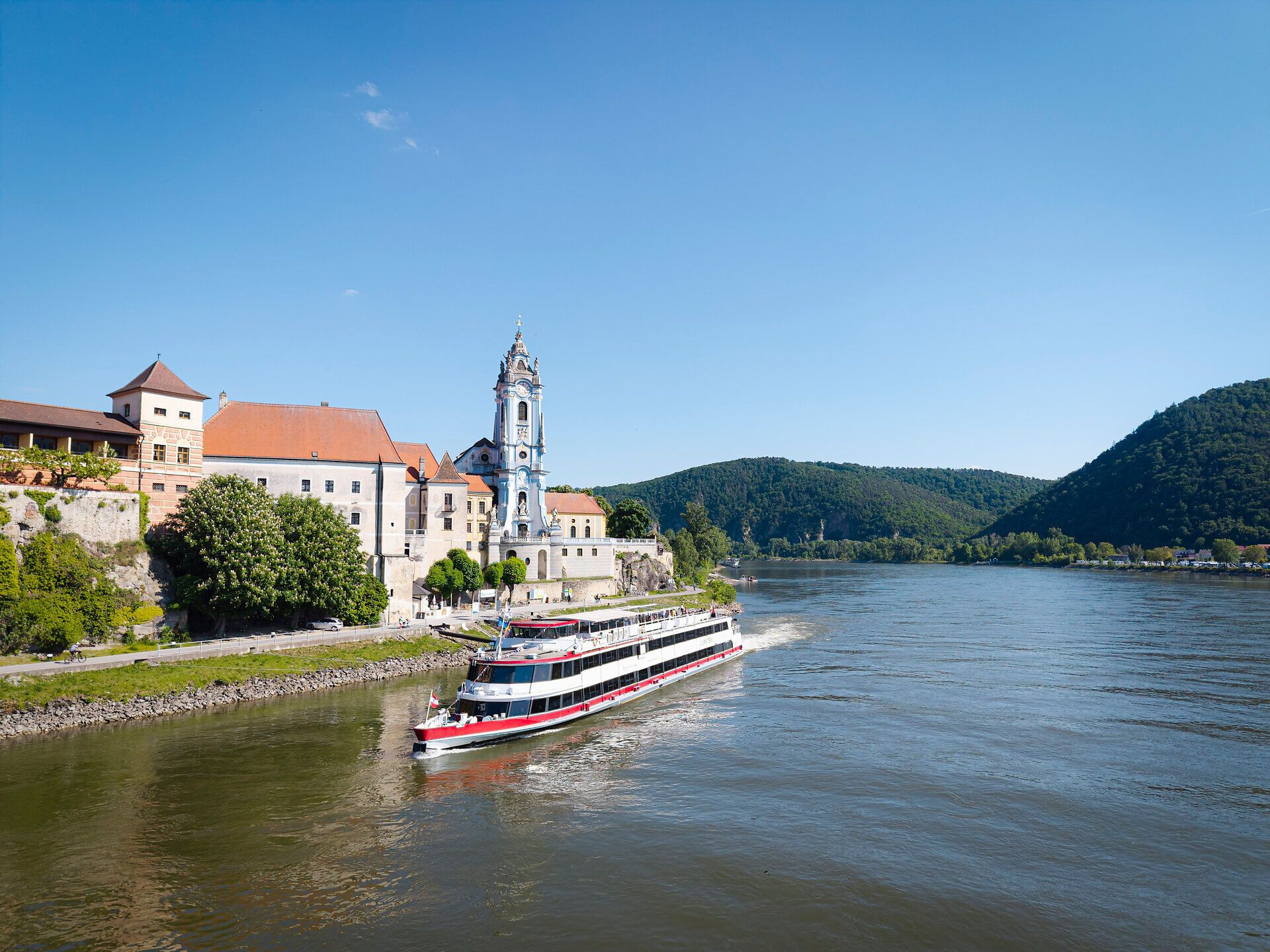
No other river in Europe connects so many countries on the continent. That is why the Danube has been an important trade route since ancient times. Today, it is navigable all the way from the North Sea to the Black Sea. The best place to immerse yourself in the history of navigation on the Danube is the Maritime Museum in Spitz an der Donau. Or you can experience history up close – for example, aboard a “Zille”, a traditional wooden boat on which you can now tour the Wachau region.
Roll-on/roll-off ferries connect the two banks of the Danube at several points. They use the power of the current to cross the river. The crossing usually takes only a few minutes and is a special experience in itself. Recommendation!
Towpath hauling or tracking This was once the name given to the laborious task of pulling cargo ships upstream in small steps by human & animal power. Today, you can cycle leisurely along the water on the footpaths along the Danube Cycle Path.
Even on hot summer days, the Danube offers reliable refreshment. Here are the best tips on where to go swimming and enjoy some exciting experiences.
If you love sandy beaches, head to the Danube beach at Luberegg or to Rossatz in the Wachau region. Life is tranquil at Lake Weitenegg on the Danube and at the Donaualtarm – a former river channel of the Danube – in Altenwörth. A special tip is the “Au Terrace” in Stopfenreuth, east of Vienna – including a natural bathing area.
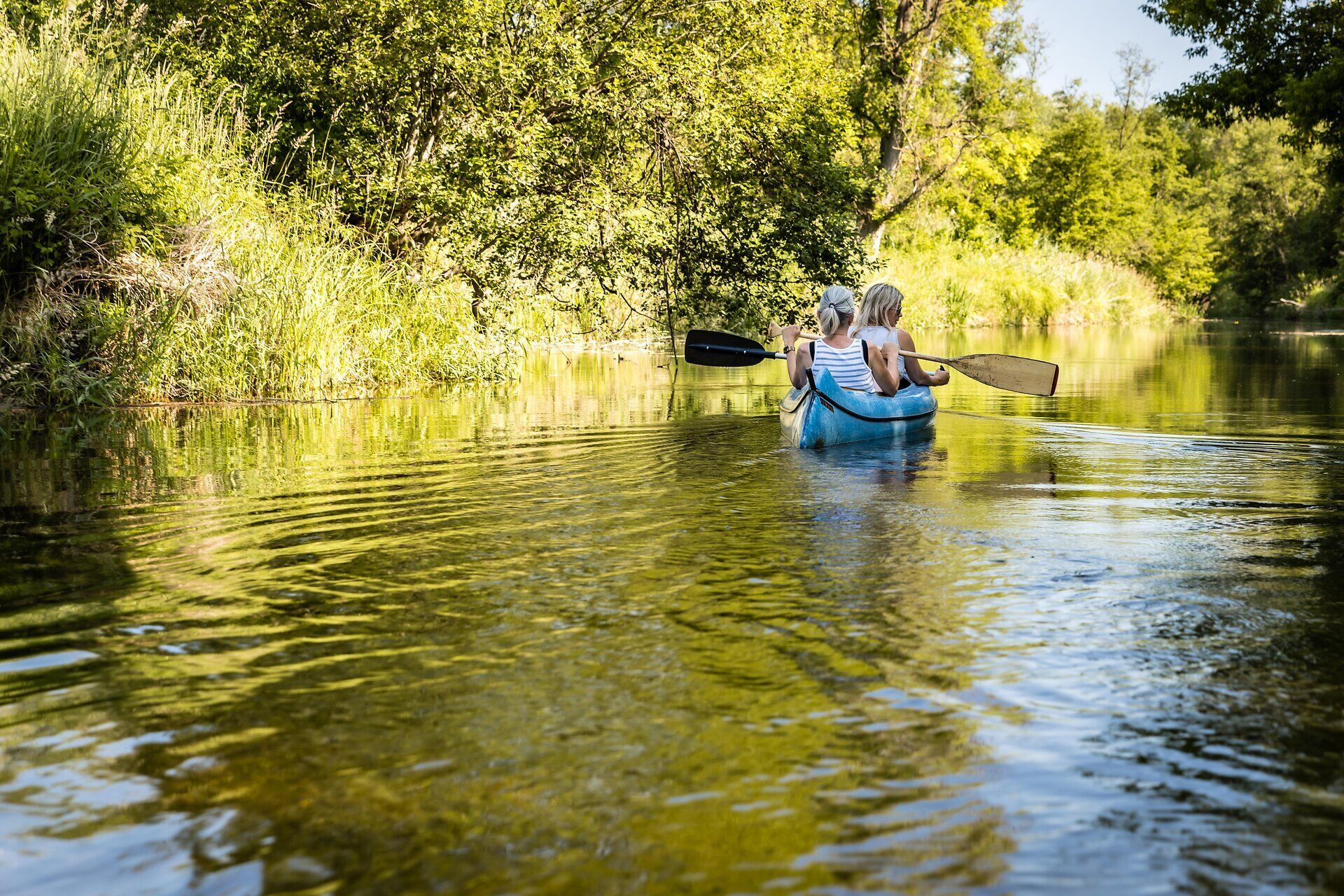
The floodplain landscapes along the Danube are also ideal for special discovery tours – for example, by stand-up paddleboard or canoe. You can paddle along winding waterways, past ancient trees and rare animals and plants – for example, in the Wachau region, the Donau-Auen National Park, the Tulln Water Park or the floodplains around Tulln.
The garden city of Tulln offers even more opportunities to cool off by the water: right on the banks of the Danube, there is a picnic area with tables and sun loungers. There is also a platform here for jumping into the Danube. Or you can head to Aubad Tulln with its shaded lawns.
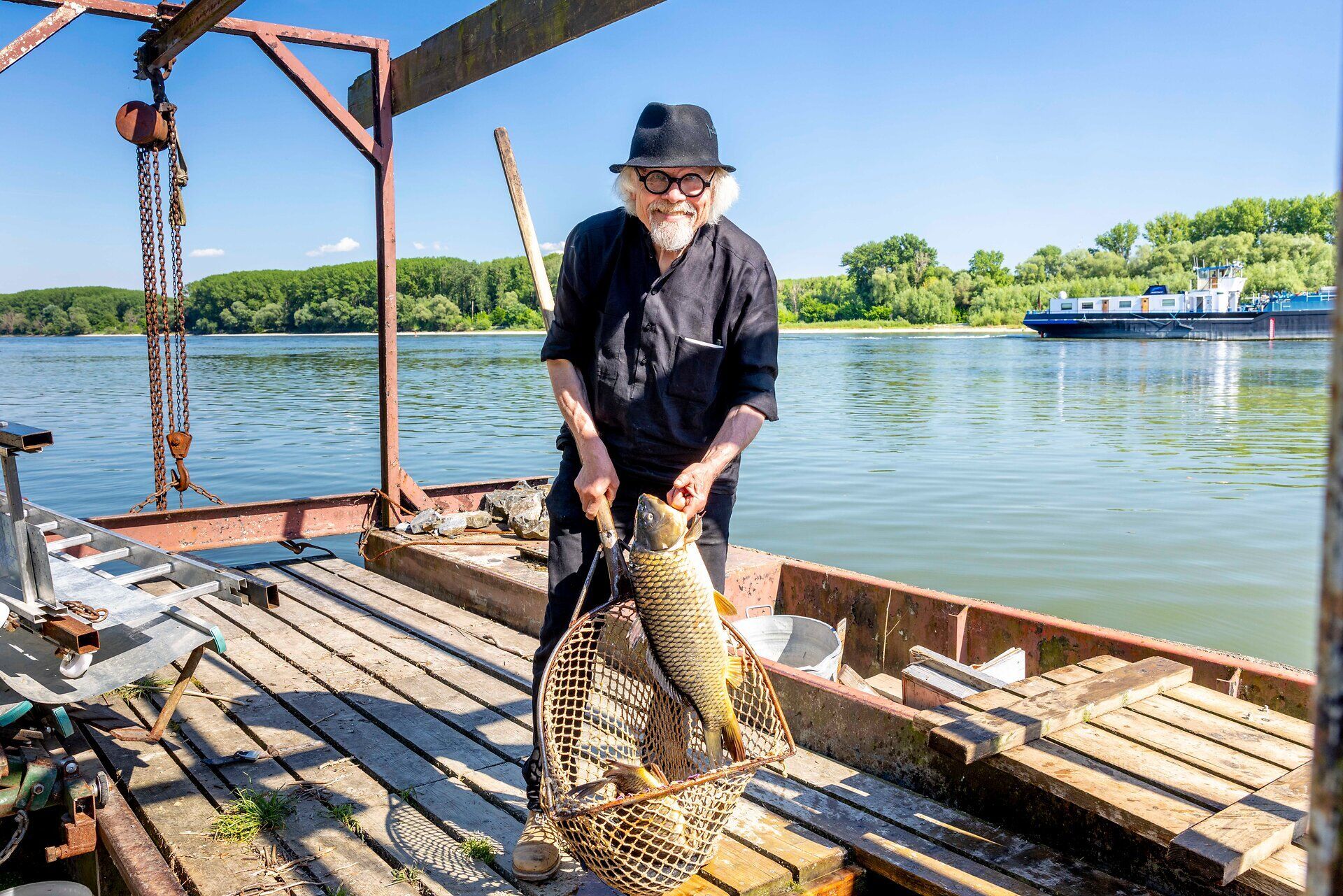
Carp. Catfish. Danube crayfish. The Danube is a diverse habitat – even for rare edible fish such as the tench and the huchen. The latter is also often referred to as Danube salmon. It is bred, for example, at “Huchen-Pepi” in Rossatz. There you can watch the world’s largest salmonid fish as it slowly circles through the water. It is best to combine your visit with a wine tasting – Josef Fischer senior is also a winemaker. His son runs the winery and, incidentally, goes by the same name.
Fish are also farmed in the disused side arms of the Danube, in streams and natural ponds in the region. For example, in the fish workshop, which also includes Austria’s oldest trout farm. Fresh and smoked fish, fine pâtés and fish soup in jars can be purchased at the farm’s own grocery store or at various markets in the region.