Along the Lower Austrian Danube, a history unfolds that stretches back thousands of years and is unrivalled in its density worldwide. It is a space in which human creativity can be felt in all its facets: from the first artistic impulses of the Stone Age to the architectural masterpieces of the Romans and the spiritual power of the great monasteries to the visionary art of modernity.
All of this is just a stone's throw away from each other. A female figurine was found during excavations at Galgenberg near Stratzing in Krems Valley ("Kremstal"). Only 7.2 centimetres tall and weighing 10 grams, she would soon go down in history as "Fanny von Galgenberg". The stone sculpture is not only the oldest work of art in Austria, but also the earliest depiction of a human being in the world: it is around 32,000 years old. Today, you can find out more about Fanny at the Stone Age World Stratzing adventure park - the Ice Age hiking trail also leads here.
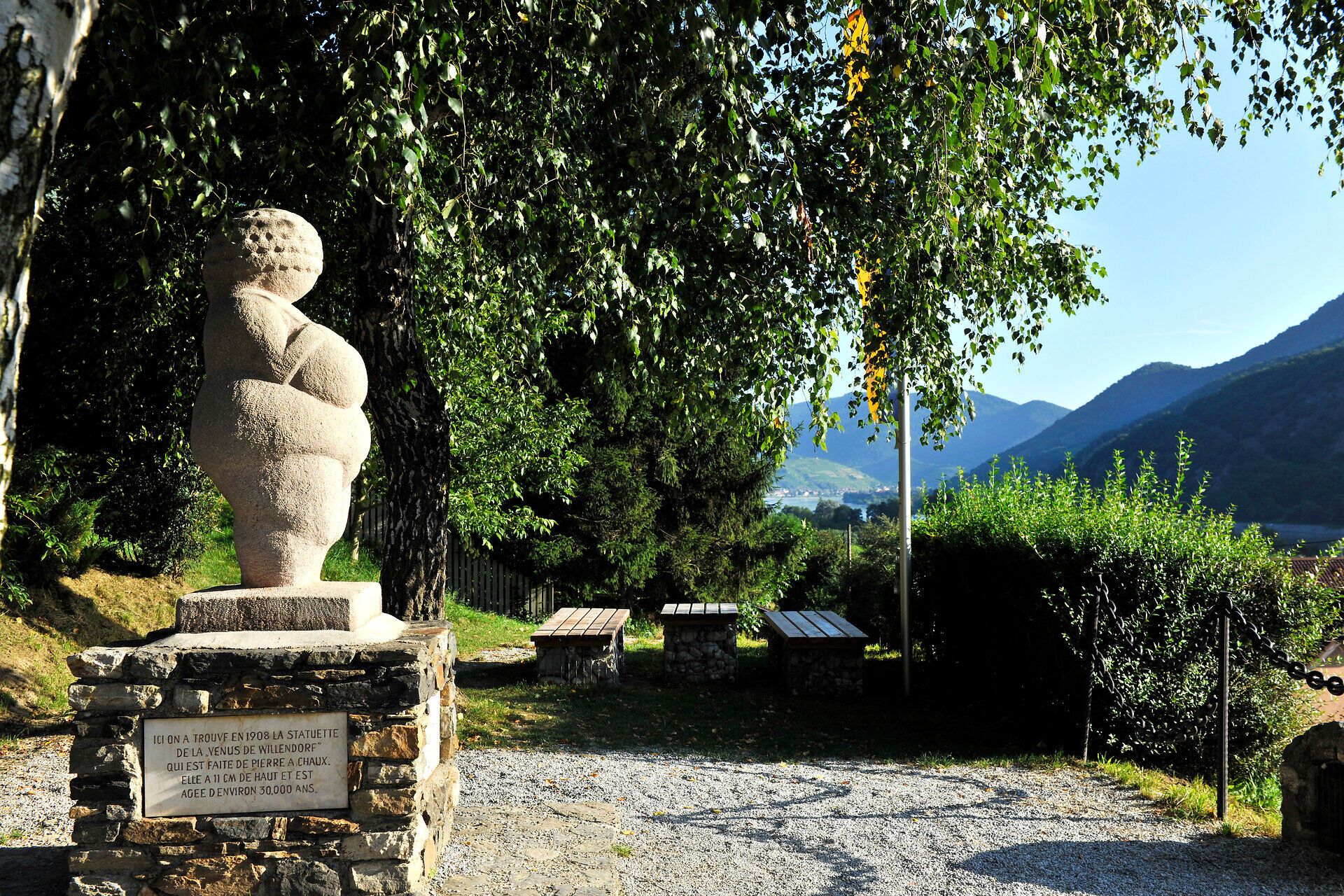
the Venus of Willendorf. At 11 centimetres tall, the small statuette depicts a woman from the Stone Age - and thus shows us the ideal of beauty at the time. The Venus was found in 1908 - today the "Venusium", a small, fine museum, is located next to the site.
Info: If you want to see the originals of the two statuettes, go to the Natural History Museum in Vienna.
Equally world-famous: the twin tomb on the Wachtberg in Krems - two infants were buried here around 31,000 years ago. An extremely rare find!
To this day, people use their foundations and foundation walls or live in towns and villages that were once founded by them: the Romans
For centuries, they shaped the landscape and life along the Danube, which also marked the northern border of the Roman Empire. To secure this border, the Romans built legionary camps, forts and watchtowers - the remains of which are now part of the Danube Limes World Heritage Site.
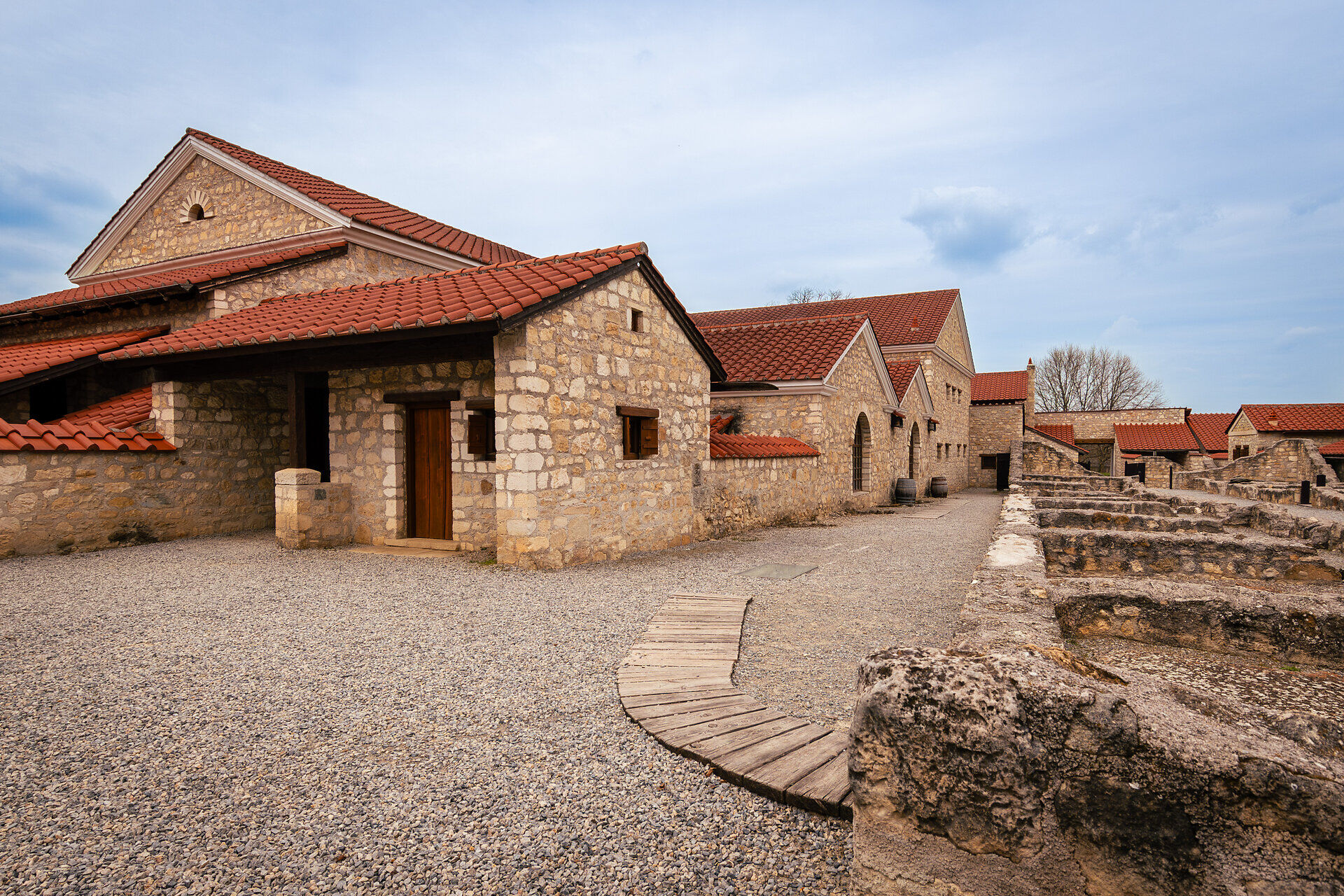
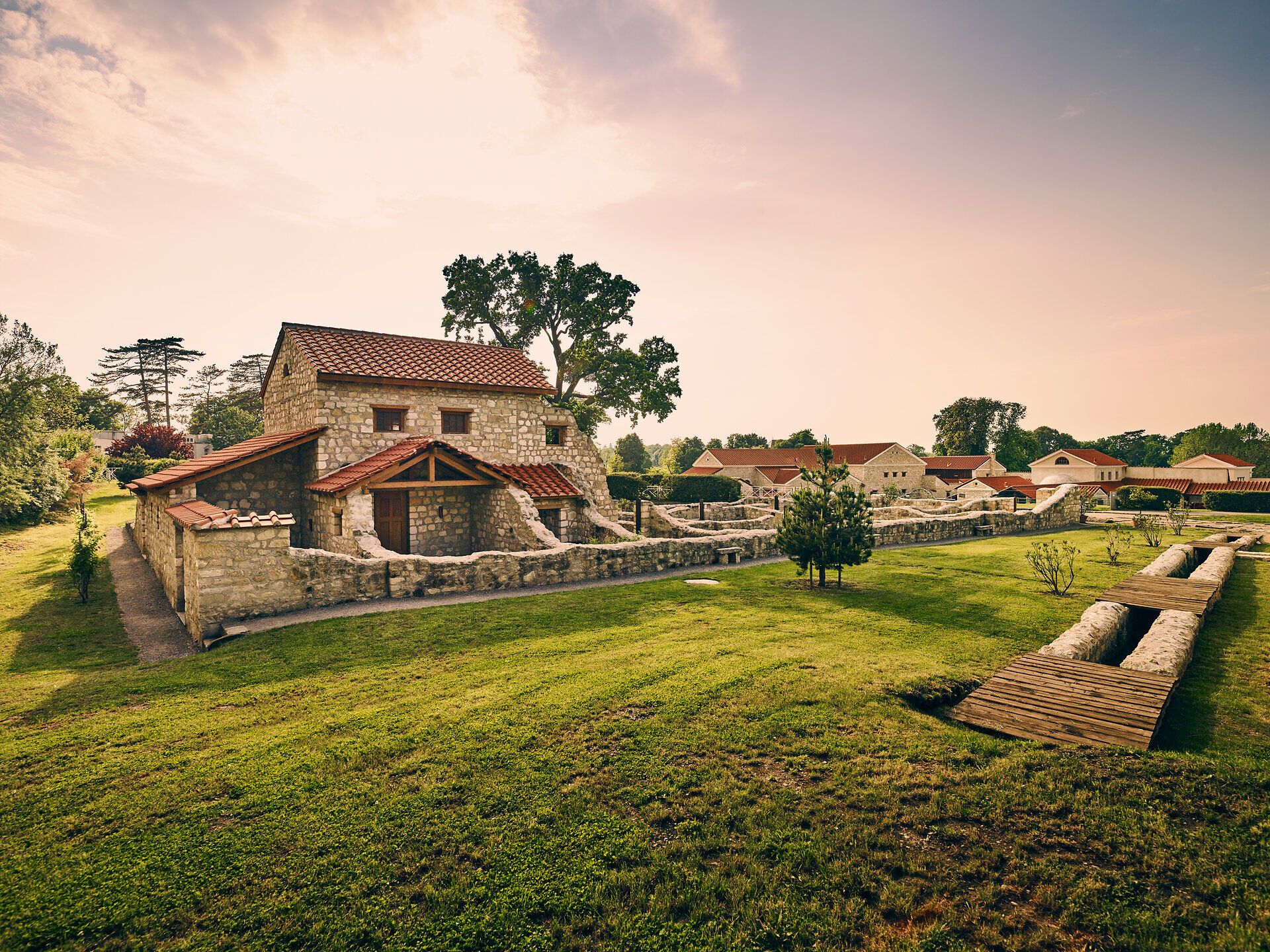
The highlight of the Danube Limes in Lower Austria is the Roman town of Carnuntum. Once the Roman provincial capital with over 50,000 inhabitants, part of the former city can be visited here today - partly original, partly reconstructed, theRoman city of Carnuntum offers a great insight into life in ancient times. The thermal baths with underfloor heating, the amphitheatre or the gladiator school - there's plenty for children, young people and adults to discover here.
In addition to the Roman town of Carnuntum, the Wachau is also worth a special mention: the remains of Roman watchtowers can be found on the right bank of the Danube. The town of Mautern an der Donau is based on the parcelling out of the Roman fort of Favianis.
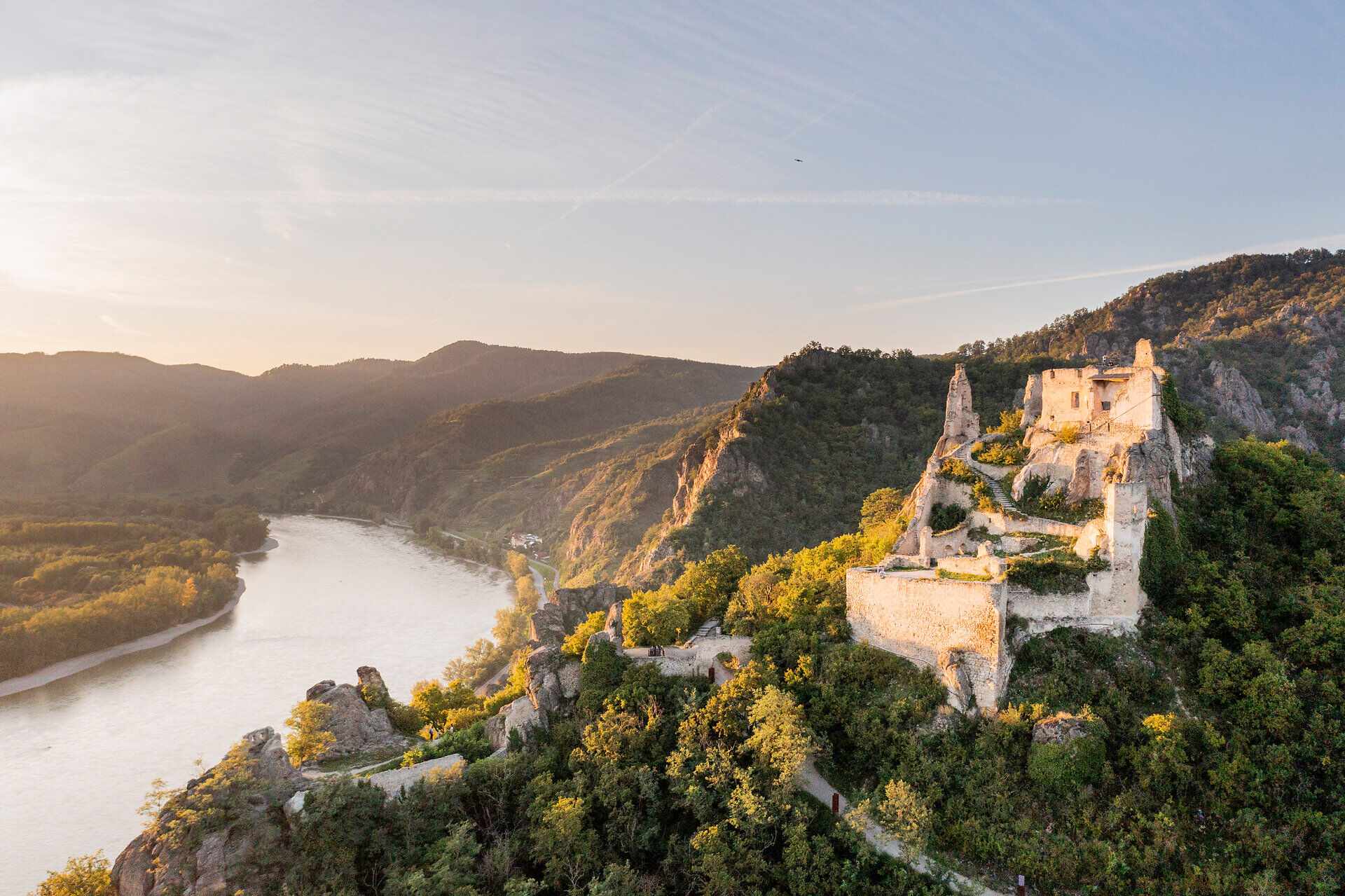
Traces of the Middle Ages are still clearly visible in the Danube region today. They even catch the eye from afar, such as the mighty ruins of Aggstein Castle, which towers over the Wachau. First built in the 12th century by the Kuenringers, it was destroyed and rebuilt several times. Today, the Top Excursion Destinations can be visited all year round - for example the "Rosengärtlein", which was used as a dungeon in the Middle Ages.
Dürnstein has also gone down in history for a famous prisoner: The English King Richard I the Lionheart was held here at the end of the 12th century. History and legend intermingle in the case of the "Singer Blondel", who allegedly travelled from castle to castle in search of his king - and found him in Dürnstein. It's a story that you come across again and again as you wander through the medieval alleyways. The town is connected to the castle ruins by a defensive wall - it's well worth the hike up!
One of the most important buildings of the early Gothic period is located in Krems an der Donau: the Gozzo Castle. Built between 1000 and 1200, it was converted into a palace in the 13th century - by the Krems town magistrate Gozzo. His name is still associated with the building today. Tip: book a guided tour of the building.
A medieval tale is also deeply connected to the region: the Nibelungen saga. A key scene is cast in bronze in Tulln an der Donau: The Nibelung Monument on the banks of the Danube depicts the legendary meeting between the Burgundian Queen Kriemhild and the Hun King Etzel.
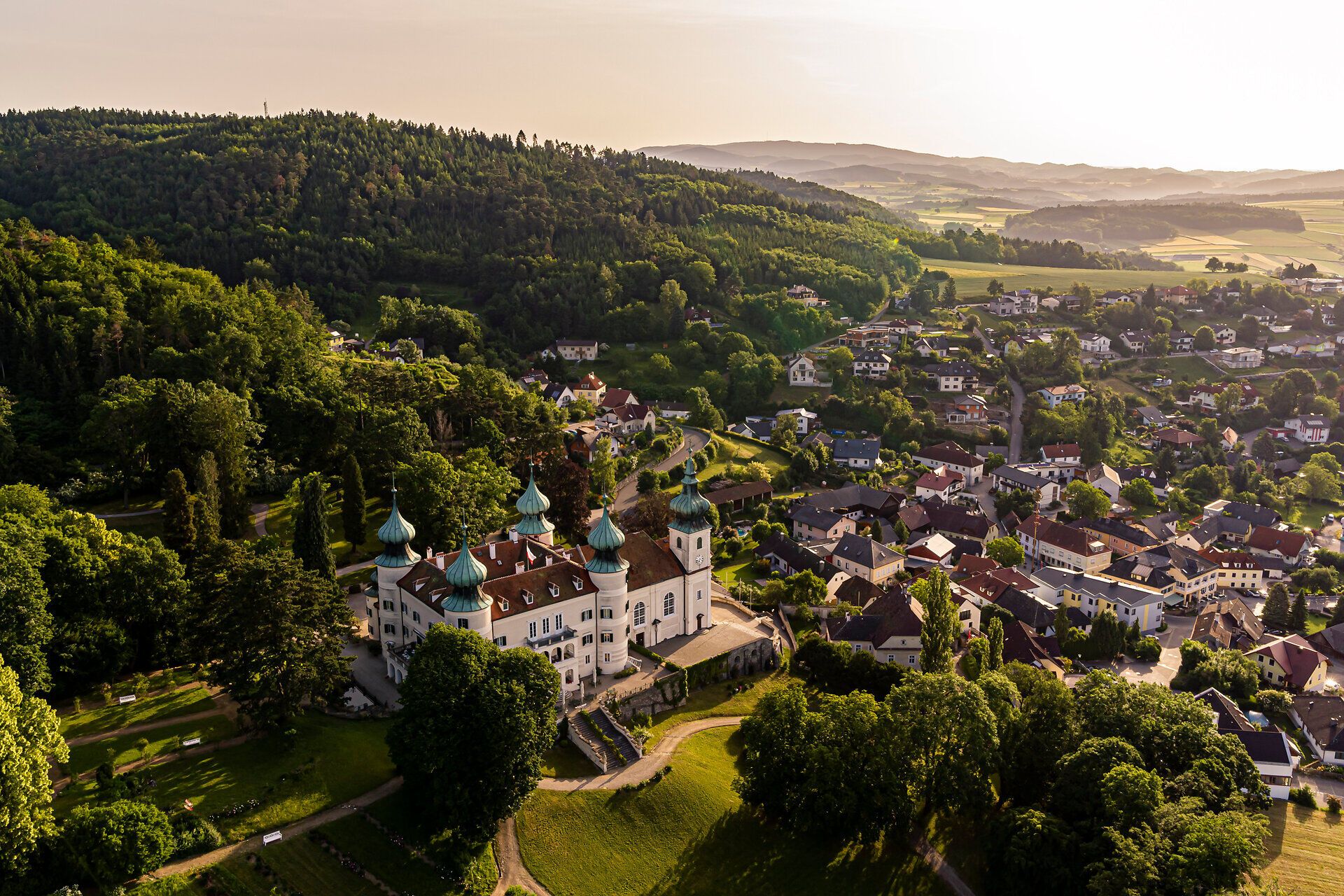
The Danube region - land of monasteries and abbeys. Four monumental buildings form the highlights of the journey along the Danube in Lower Austria: Melk Abbey, Dürnstein Abbey and Göttweig Abbey, which are part of the Wachau World Heritage Site, and Stift Klosterneuburg Abbey on the outskirts of Vienna.
All four abbeys are now Top Excursion Destinations. The Benedictine Melk Abbey is one of the largest and most beautiful baroque ensembles in Europe - designed by the renowned baroque architect Jakob Prandtauer. It still towers over the town in a vibrant yellow colour - with its fabulous 1,365 windows, an extensive abbey library and almost 500 rooms.
In the eastern part of the Wachau, Dürnstein Abbey characterises the small town - the striking blue tower of the abbey church can be seen from afar. The foundation stone was laid at the end of the 14th century and the ensemble was extended in the Baroque period under Provost Hieronymus Übelbacher. Part of it can be visited - together with the permanent exhibition "Discovering the Valuable".
Göttweig Abbey scores with a fabulous view over the Krems an der Donau region. Remains of the medieval building can still be seen. However, the majority of today's abbey dates back to the Baroque period - the plans were drawn up by the famous court architect Johann Lucas von Hildebrandt. Today, Göttweig Abbey is not only home to the Benedictine order, but also a versatile event centre - from classical music to clubbing.
Klosterneuburg Abbey- the Babenberg Margrave Leopold III founded it at the beginning of the 12th century. A few years later, it passed to the Augustinian canons, who still run it today. The magnificent monastery complex also includes the Klosterneuburg Abbey winery. In addition to the cultural treasures, you can also discover fine wines and culinary specialities at Klosterneuburg Abbey.
Five castles and plenty of superlatives: the Marchfeld castles offer impressive architecture, historical treasures and ornate gardens. Like Schloss Hof, which was turned into a baroque jewel by Prince Eugene of Savoy. 35,000 flower bulbs lie dormant in the ground here, ensuring that the impressive baroque garden blossoms year after year. Children love the estate with its 200 animals - many of them rare domestic breeds, such as the white baroque donkey.
Prince Eugene also left his mark on Niederweiden Palace - the large baroque pleasure garden is now an inviting place to take a stroll.
Continue on to Marchegg Palace, a former medieval moated castle. It was used as a hunting lodge by the Hungarian Pálffy princely family. Today, a whole colony of storks lives here.
Orth Castle sits enthroned in the centre of the Donau-Auen National Park - a place where cultural and natural experiences can be perfectly combined. There are changing exhibitions in the museumORTH in the Renaissance castle. On the castle island, you can discover the floodplain in miniature - for example 33 different species of European pond turtle.
Like all Marchfeld castles, Schloss Eckartsau is closely interwoven with Austrian history: That of the Habsburgs came to an end here. Today, the castle with its 1,300 works of art and furniture is a popular excursion destination. Tip: The castle park with its 99 tree species is also well worth a visit.
He was one of the international stars of his time and the "father" of the classical symphony: the composer Joseph Haydn. His brother Michael was an equally talented musician. The birthplace of both of them is located in Rohrau - it is open to guests in the warmer months of the year, also for concerts and the "Rohrauer Gespräche" (Rohrau Talks).
Haydn also left his mark through his famous pupils - for example Ludwig van Beethoven, who lived for a time in the moated castle in Gneixendorf. Or through Ignaz Pleyel - in his birthplace Ruppersthal am Wagram there is now a cultural centre with a museum, concerts and a small restaurant with a view of the vineyards.
Another famous Lower Austrian who wrote music history was Franz Schubert. Today you can learn more about the composer at Atzenbrugg Castle, where he spent some time. Every year, the "Schubertiade" brings contemporary musicians to the castle.
Time and again, the Danube region produces artists who go down in world history. Such as Martin Johann Schmidt, also known as "Kremser Schmidt". The Baroque painter left his mark with his paintings in many churches along the Danube, for example in the parish church of St Veit or in the Piarist Church in Krems an der Donau.
You should also know the name Paul Troger. Among other things, the painter created extraordinary ceiling paintings such as the one in the Marble Hall of Melk Abbey or above the imperial staircase of Göttweig Abbey.
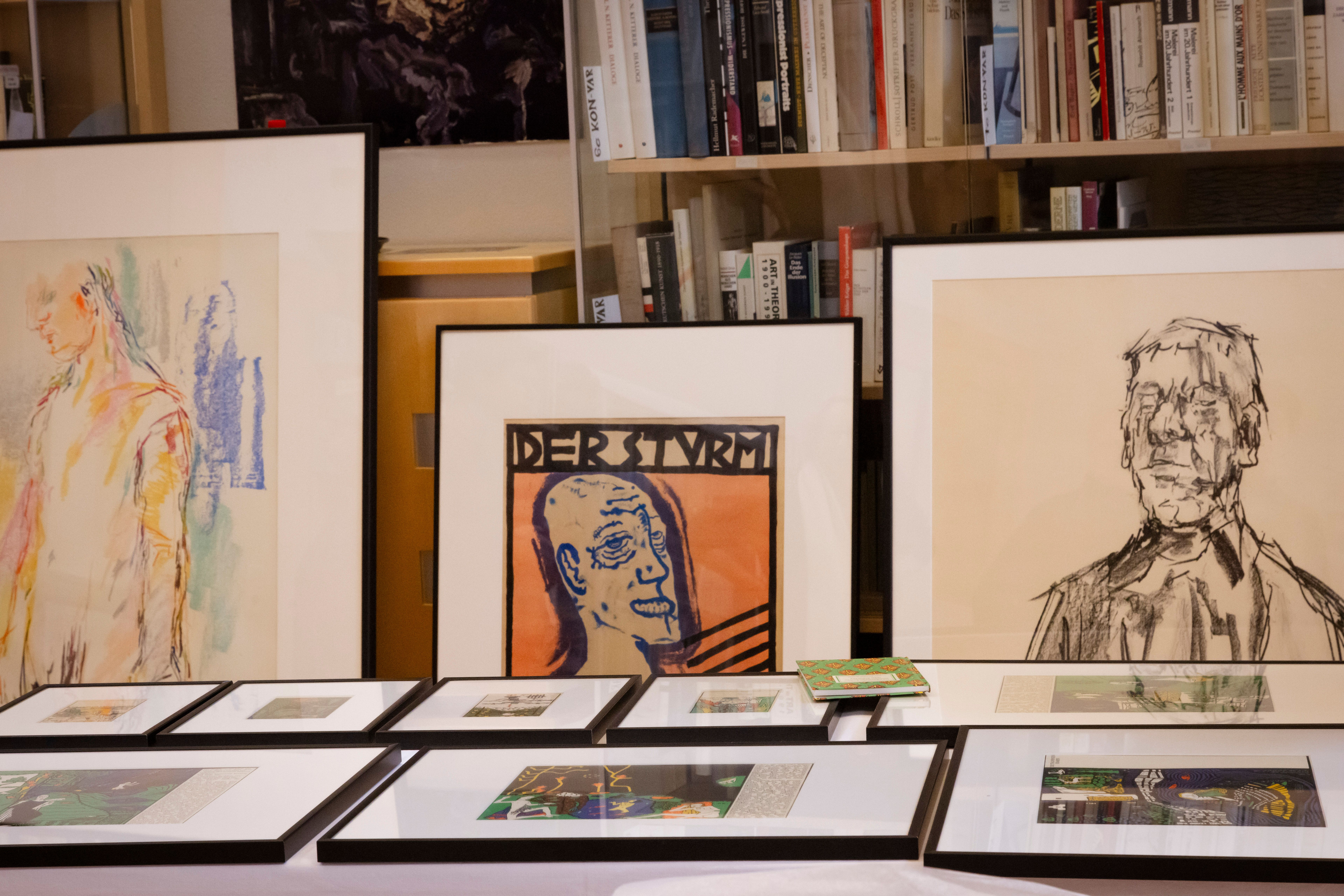
Kokoschka, Schiele, Hundertwasser - three great names of the 20th century with a connection to the Danube region. Oskar Kokoschka helped shape Viennese modernism. Today you can visit the Kokoschka Museum in his birthplace of Pöchlarn.
Egon Schiele was born in Tulln an der Donau - today you can not only visit his birthplace at the railway station, but also the Egon Schiele Museum on the Donaulände. Just a few steps away is the ship "Regentag" by the famous Austrian painter Friedensreich Hundertwasser.
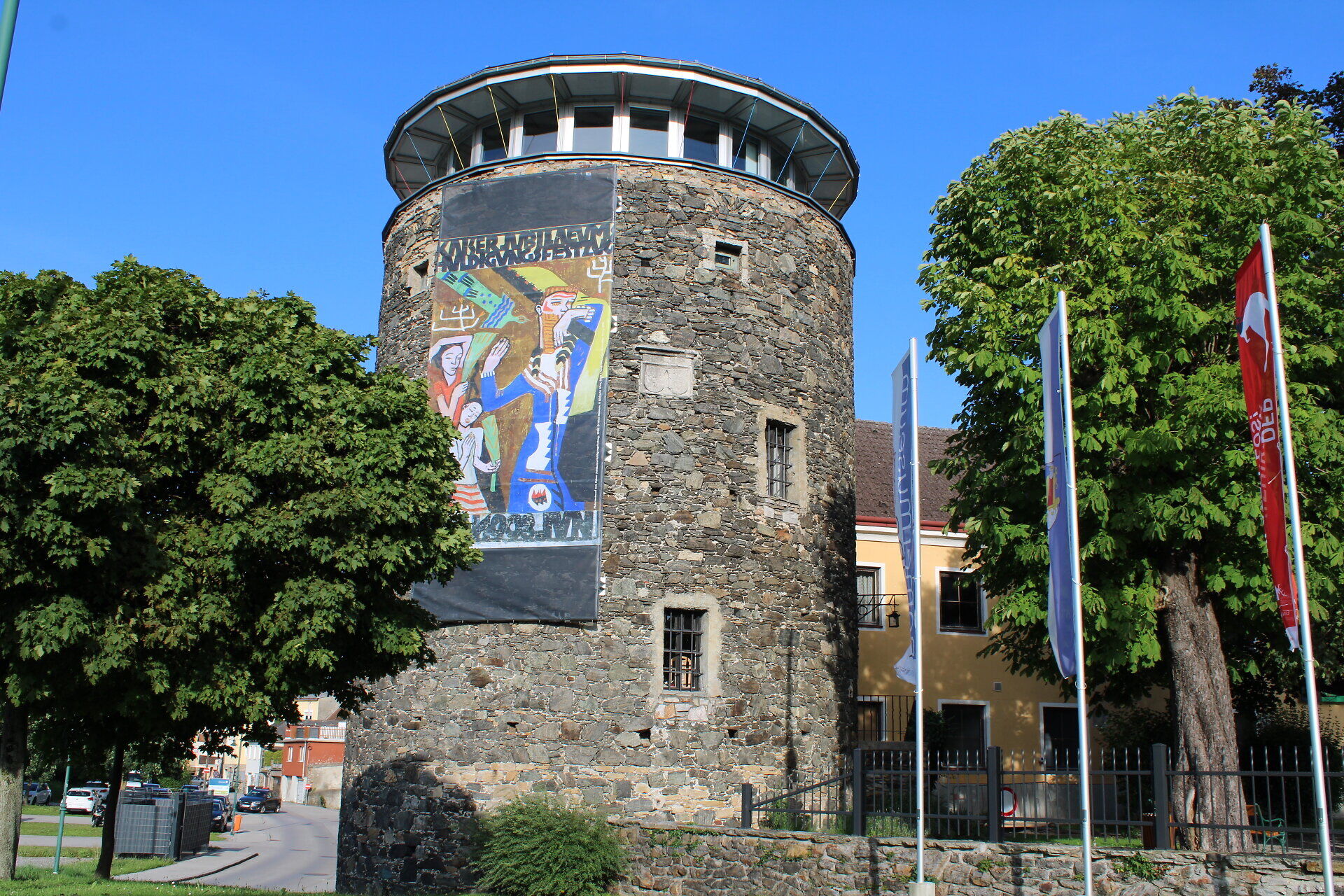
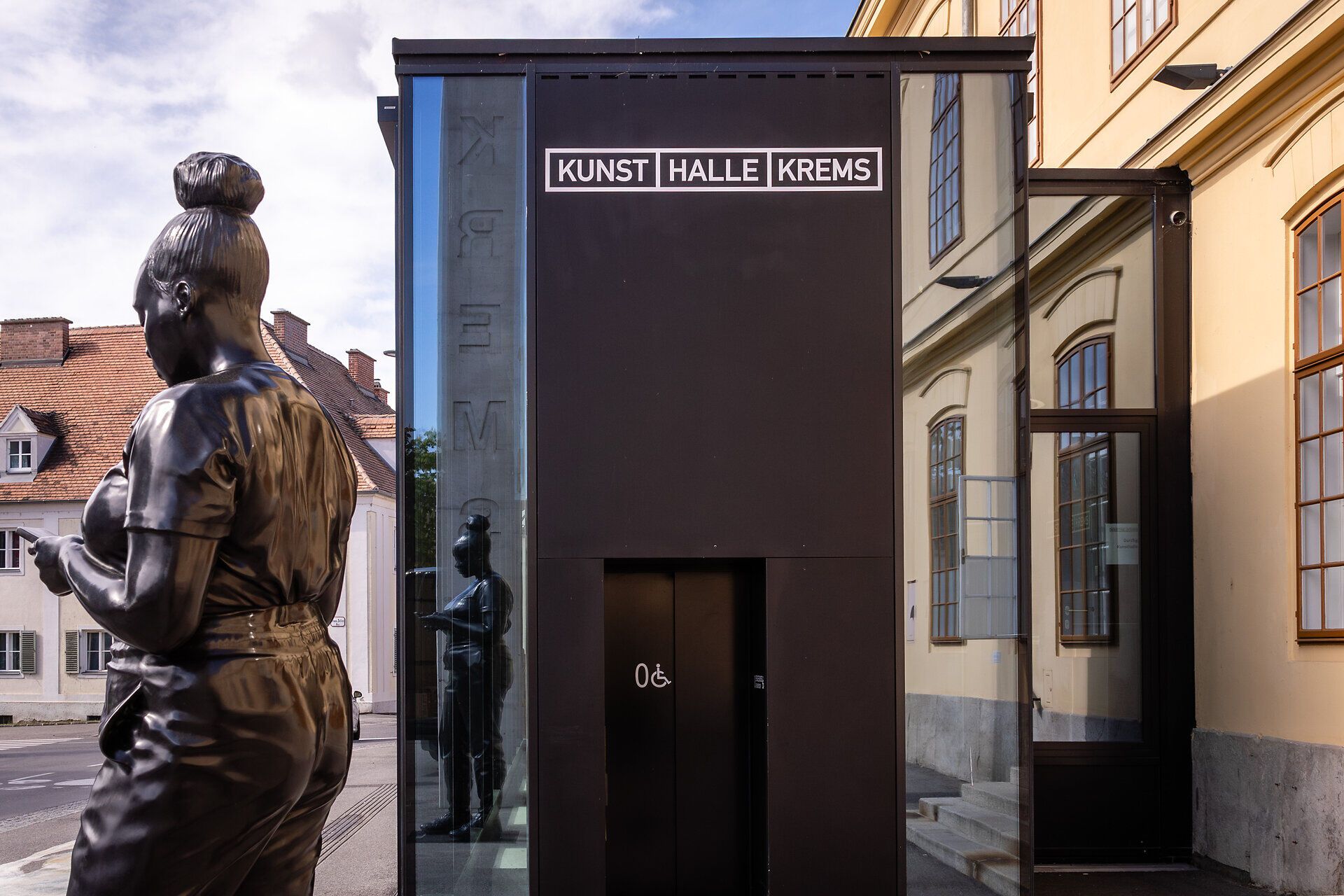
The area around the Museum Square became a mile when the Karikaturmuseum Krems was built - the architect was Gustav Peichl, whose caricatures can be seen here time and again. A few steps further on Minoritenplatz in Stein, the Forum Frohner is dedicated to the work of the painter Adolf Frohner. An insider tip for all those who love small and fine things.
The most recent expansion of the Kunstmeile Krems took place in 2019 with the Landesgalerie Niederösterreich. The building is not only an eye-catcher in its own right, but also an important centre for Austrian art in Lower Austria. If you want to fortify yourself after a visit to the museum, head to "Poldi Fitzka".
In addition to Kunstmeile Krems, Gugging is also a special place to experience modern art in the Danube region. The museum gugging shows Art Brut - focussing on the works of Gugging artists.