Solstice

in the Wachau and the Nibelungengau

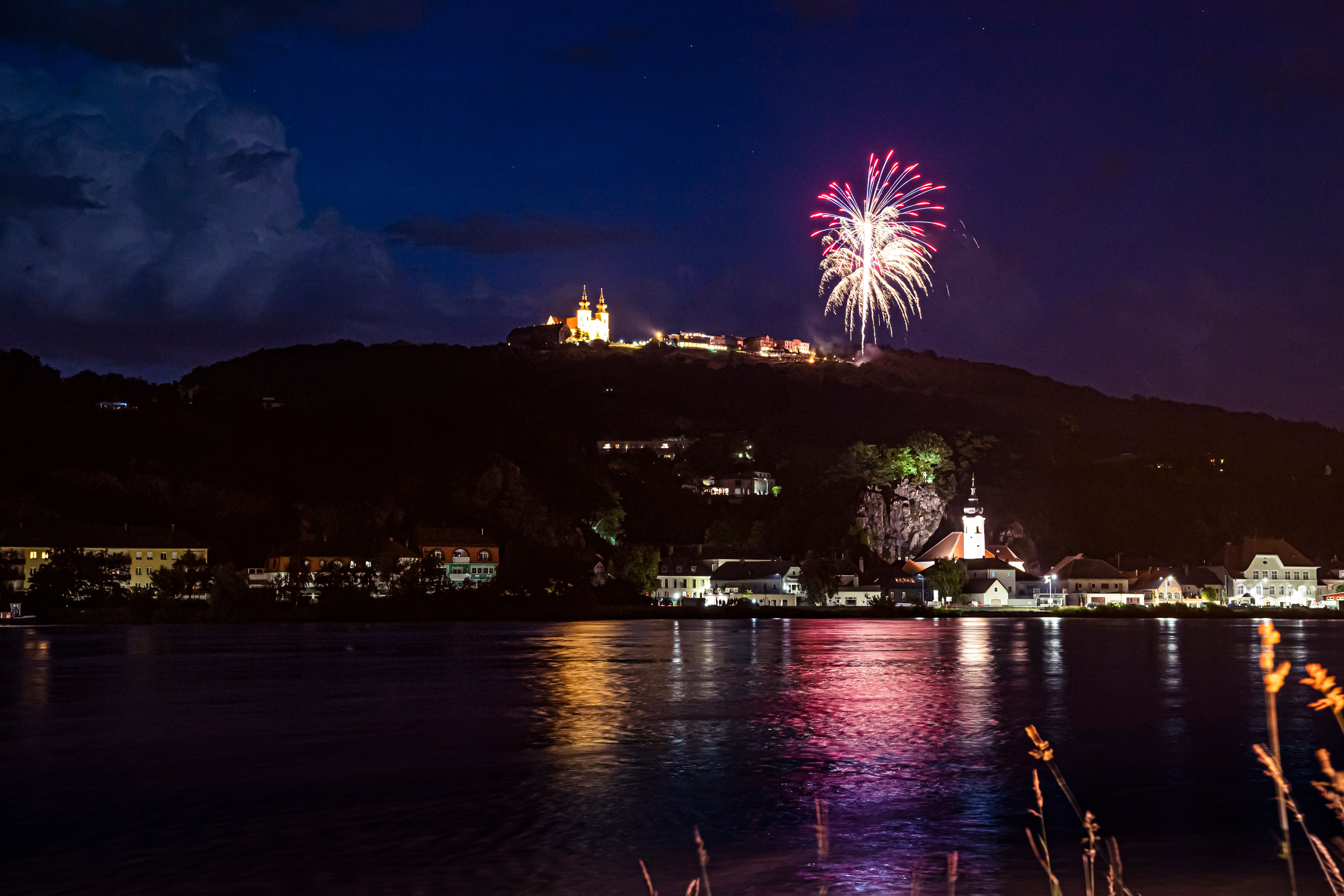
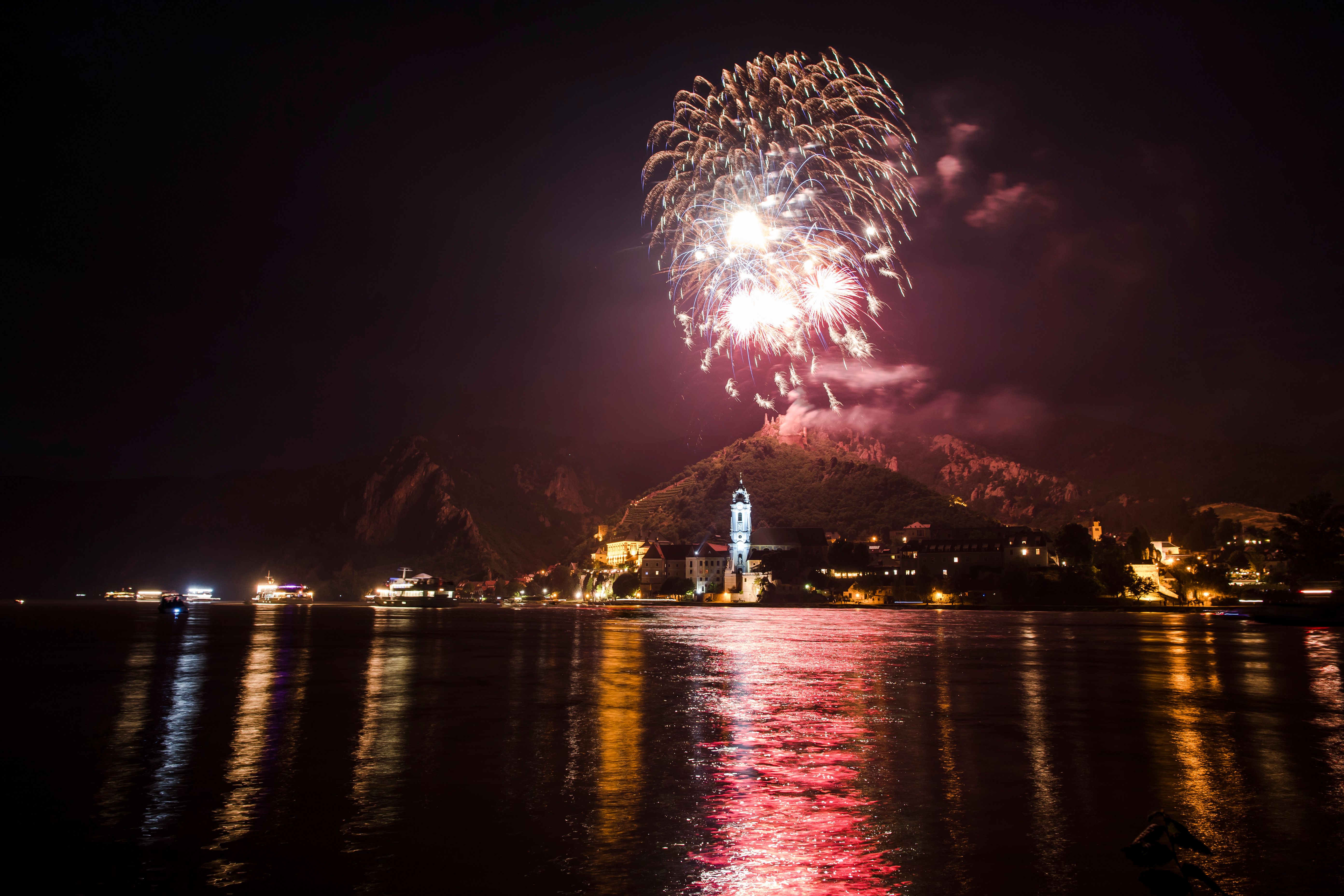
Every year around 21 June, the Wachau-Nibelungengau-Kremstal Danube region is all about the magnificent midsummer celebrations and invites you to a colourful spectacle. Thousands of floating lights on the Danube, fire spectacles in the villages, impressive fireworks and wonderful opportunities for precious moments make the midsummer celebrations in the Nibelungengau and Wachau regions truly unforgettable every year.

The next midsummer celebrations will take place on 20 June 2026 in the Wachau & on 27 June 2026 in the Nibelungengau!
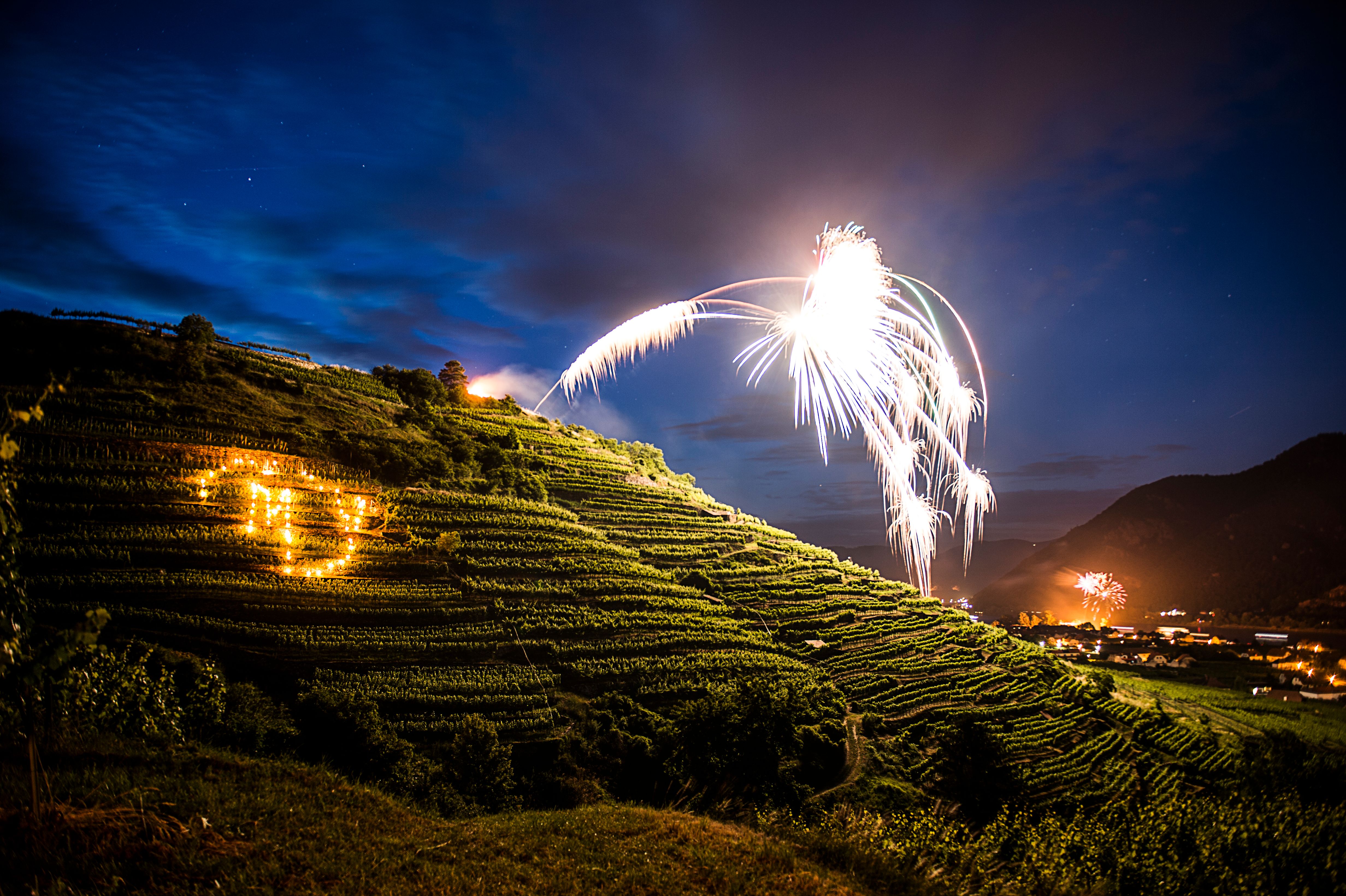
Fire spectacle along the Danube

In addition to a magnificent fire spectacle on both sides of the Danube and a sparkling sea of lights along the enchanting river valley, the internationally renowned Wachau wines and regional delicacies know how to captivate their regular guests from all over the world.

The history of the midsummer bonfires

For over 400 years, midsummer bonfires have been burning every summer in the regions along the Danube. In the Wachau, this custom has been preserved in a special way.

Pagan custom & Christian St John's Day

It is not possible to say exactly where the tradition comes from. Some speak of ancient sun cults of the Celts, Slavs and Germanic tribes. One thing is certain: the whole thing was a thorn in the side of the church for a long time. Too pagan, too wild, too uncontrollable. So it was reinterpreted and 24 June was declared St John's Day in the Middle Ages.
The oldest documented midsummer celebrations in Lower Austria date back to the early 17th century: 1604 in Rosenburg am Kamp and 1609 in Klosterneuburg. Celebrations took place everywhere - but nowhere as intensively as in the Wachau and the Nibelungengau. Until 1754, when it was banned. Too dangerous, too many fires, too much "superstition" in the Age of Enlightenment.

When the midsummer fires became a public festival

It was not until the second half of the 19th century that midsummer bonfires returned. But not only that. For the first time, people also celebrated together - with outdoor tables, market stalls and music. "Johannis specialities" such as doughnuts, gingerbread, baked elderflowers and mead sweetened the evening. The blazing flames were no longer just caused by wooden sticks and pitch barrels, but also by the new inventions of the time: rockets and Bengal fires. Thousands of lights reflected in the Danube. An experience that made a deep impression on travellers, writers and journalists - and was passed on in their stories and texts.
To this day, the midsummer celebrations in the Wachau and the Nibelungengau are among the highlights of the summer. You can experience the fireworks from the water - for example on one of the Danube boats that cruise through the region on these special evenings. But it is also particularly atmospheric to walk up into the vineyards and watch the dance of lights from above.
 

Find a host

Staying and eating in certified establishments, in a Best of Wachau establishment or at a winery? Here you will find the best accommodation and restaurants for an inspiring stay on the Lower Austrian Danube.

  • ©© Niederösterreich Werbung/Ian Ehm

    Find accommodation

  • ©© Die Abbilderei

    Richly laid tables

FAQ

Frequently asked questions about the solstice