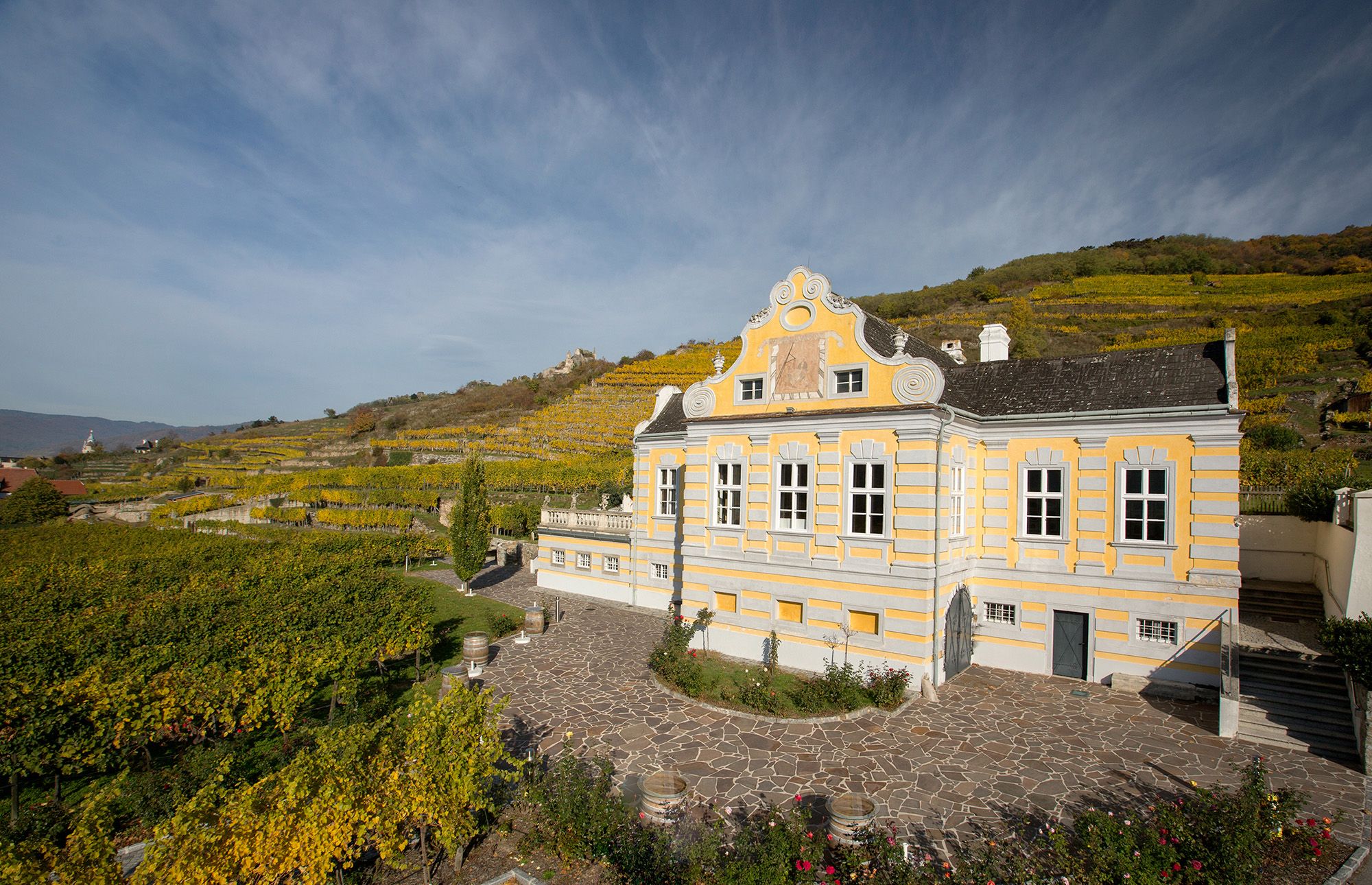
The key to the castle
The "Wachauer Weinblick" picnic area offers secluded tranquillity and a place to gather. Its artistic design is reminiscent of a snail shell. The view of the Danube, on the other hand, is cosmopolitan: a constant stream of history and trade through the heart of Europe. The lifeline of the Wachau. And from 1829, it was also a central logistical and tourist route: the Danube Steamship Company (DDSG), the largest inland shipping company in the world at the time, operated here.
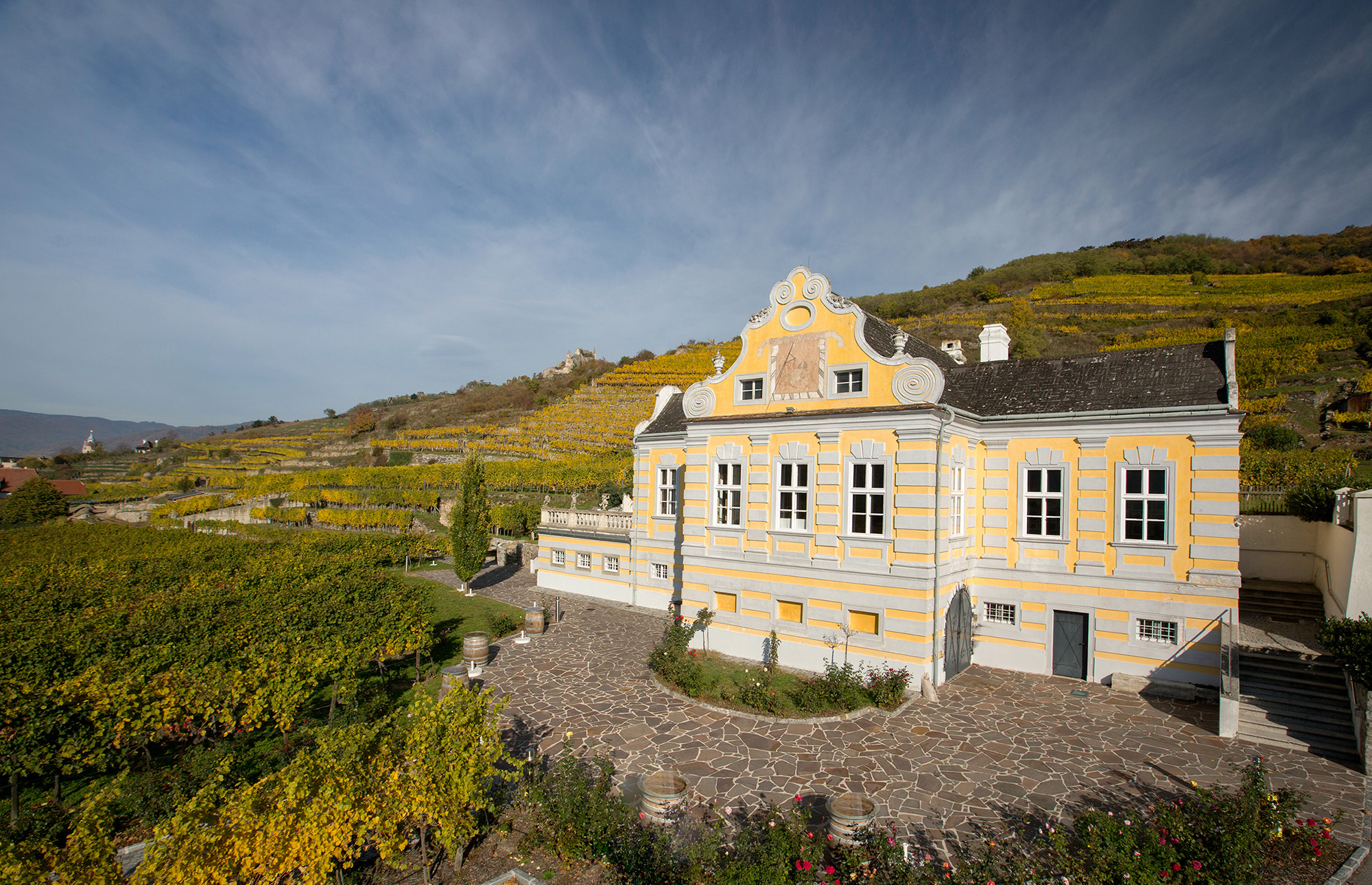
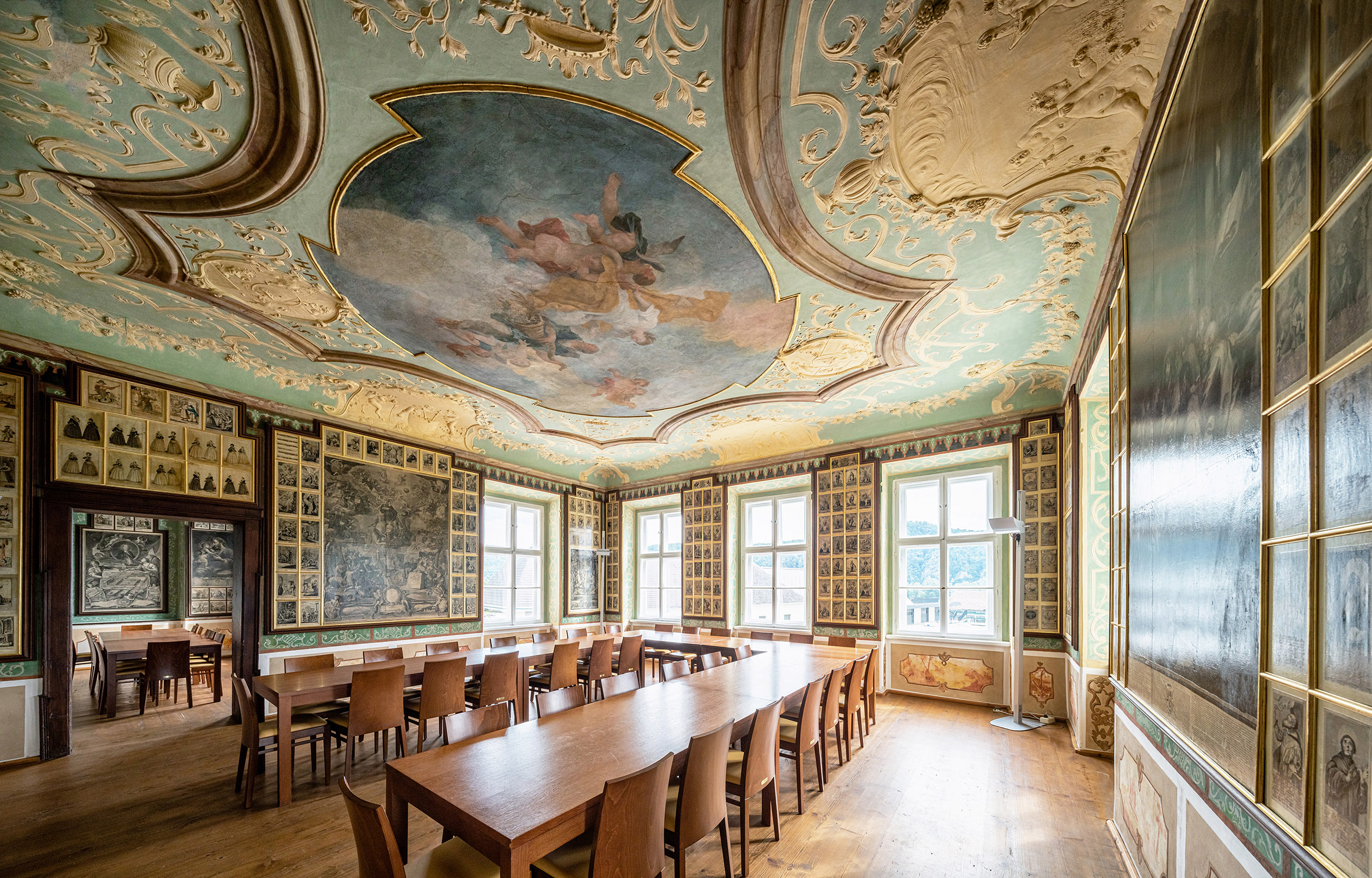
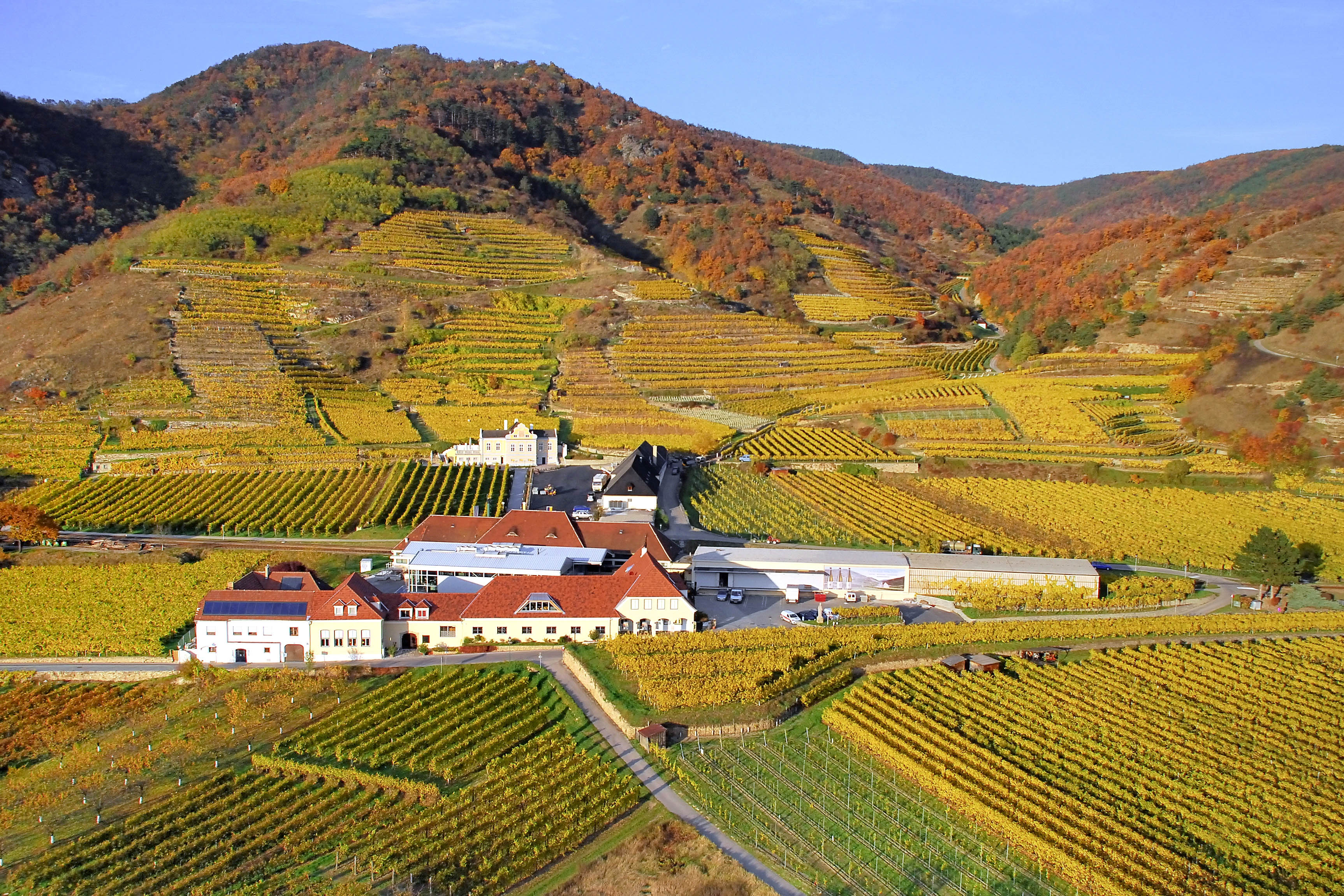
In addition to the waves, it is of course the wine that has ennobled the Wachau as a World Heritage Site. Just like the vineyards of the "Domäne Wachau" around this site. Today, it is one of the most renowned vineyards in Austria. Many generations of winegrowing families have built the Wachau's prosperity on terraces and small plots like these. Just how successful can be seen here with the naked eye: The baroque Kellerschlössl goes back to the Dürnsteiner canons, who owned wine cellars just outside the town gates. Baroque master Jakob Prandtauer personally designed the building. And the Kellerschlössl is said to have provided valuable negotiating services to the then Federal Chancellor Leopold Figl for the State Treaty: He had the key to the castle - and to the wine cellar below.
Would you have guessed?
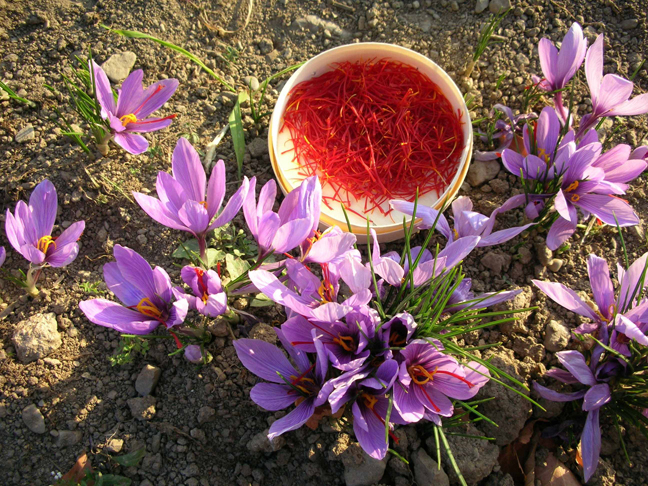
Saffron has been cultivated in the Wachau since around 2008, as it was in historic times. The climate is ideal - the saffron crocus threads harvested here are certified by connoisseurs as being of the highest quality.