
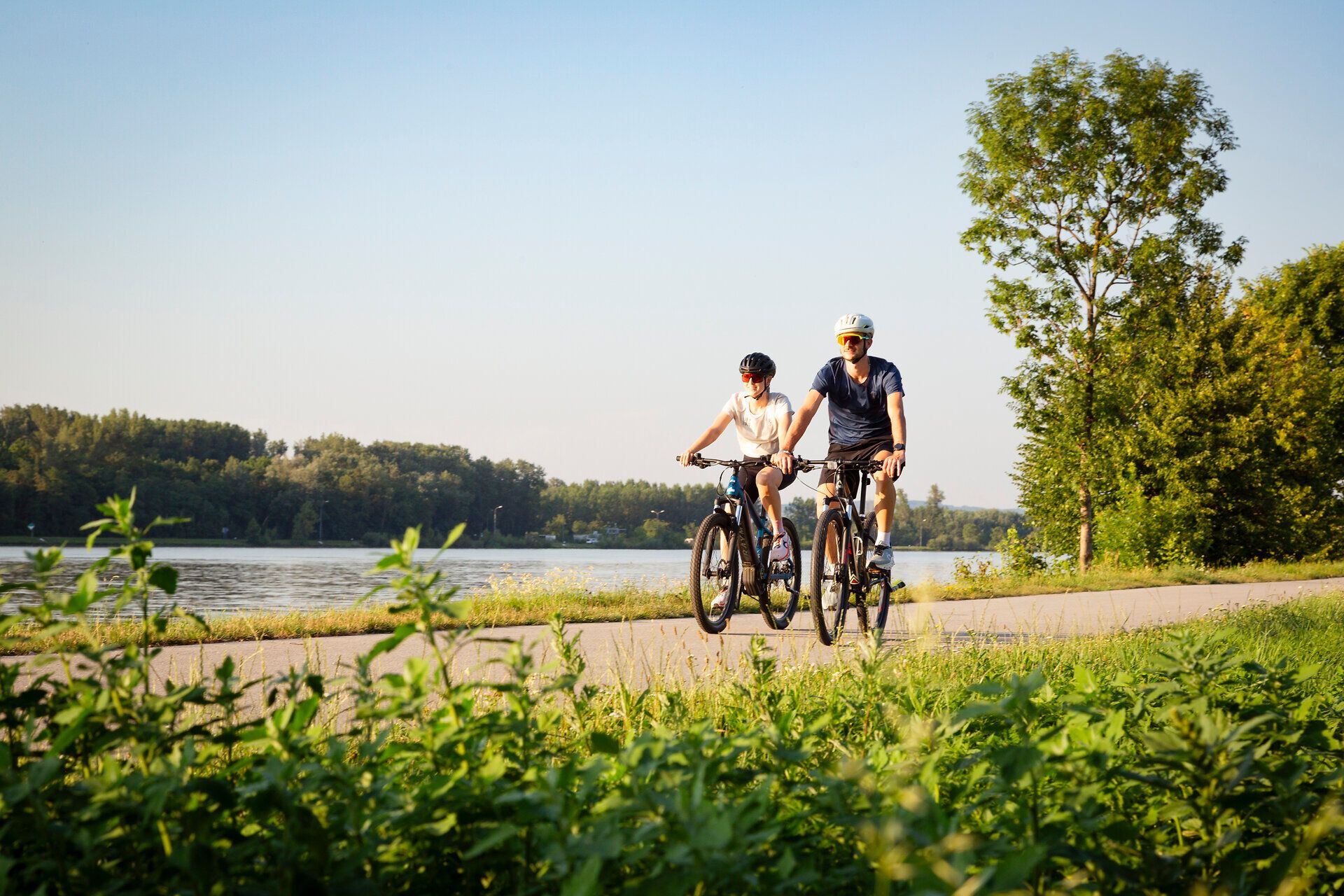
The entire Danube Cycle Path runs from the source of the Danube in Germany, to its mouth in the Black Sea: 1,200 kilometres in total – 380 kilometres of which are in Austria and 260 kilometres of which are in Lower Austria. But it’s not the river’s length that counts! These kilometres pose something of a challenge. Not in terms of the actual path. It is just as easy to cycle on as the rest: flat to slightly hilly, always following the Danube. And yet you may need a little longer for this route.
Most people cycle along the Danube Cycle Path in the Danube’s direction of flow. Almost imperceptibly but nevertheless, things always go a little downhill in this direction. And thanks to the west-east facing valley, you are usually accompanied by a pleasant tailwind. The route is a highlight in itself, but there is so much more to discover – with a maximum diversion of five kilometres.
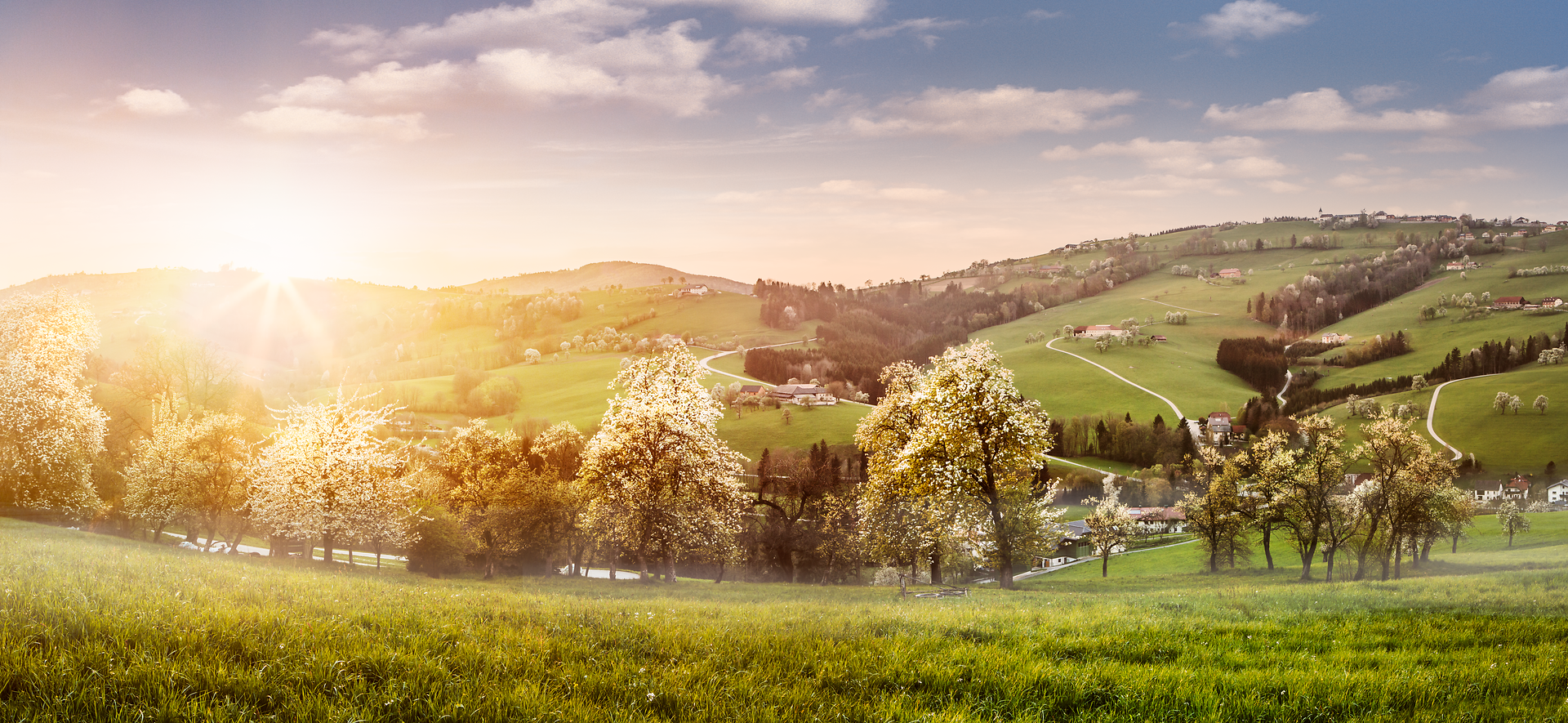
This route meanders leisurely through the hilly countryside, with countless pear treesto the left and right, picturesque villages and magnificent so-called “Vierkant-Bauernhöfe”, a traditional farmstead type specific to the region. Not to mention the inns and wine taverns, which – as you might have guessed – serve the best cider paired with the typical “Mostviertel Schofkas” – a delicious goat’s cheese or “Bauernkrapfen”, a traditional Austrian pastry.
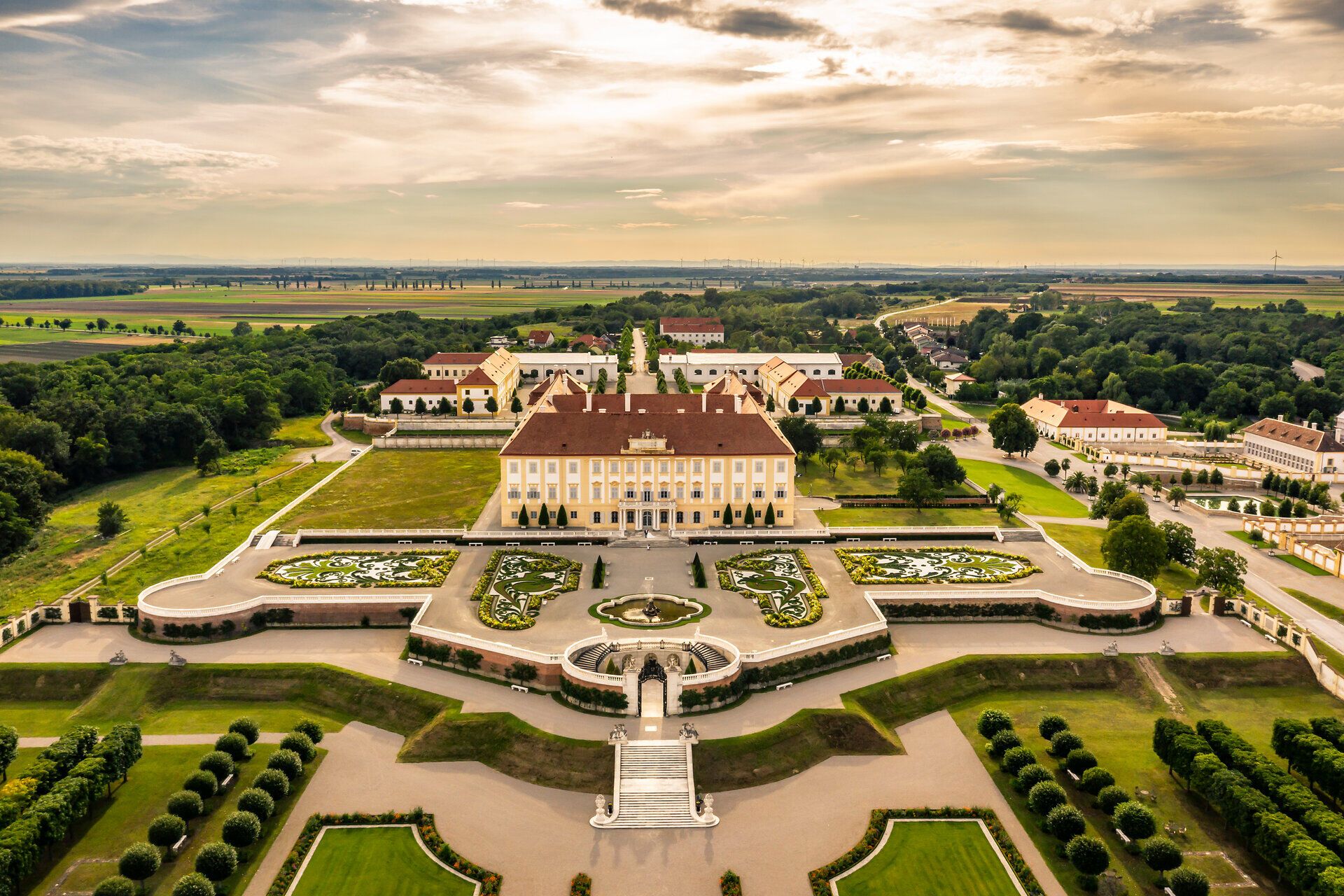
TOP excursion destination: If you’re already in the area, you can explore Schallaburg Castle, a stunning example of Renaissance architecture, with its beautiful garden or the “Haubiversum”, where everything revolves around bread.
Now things are getting a little mysterious, because a message in a bottle with a treasure map has been washed ashore here. With 30 secret treasures on the subjects of nature, cuisine or culture. Always keep an eye out for the message in a bottle symbols!
TOP excursion destination:
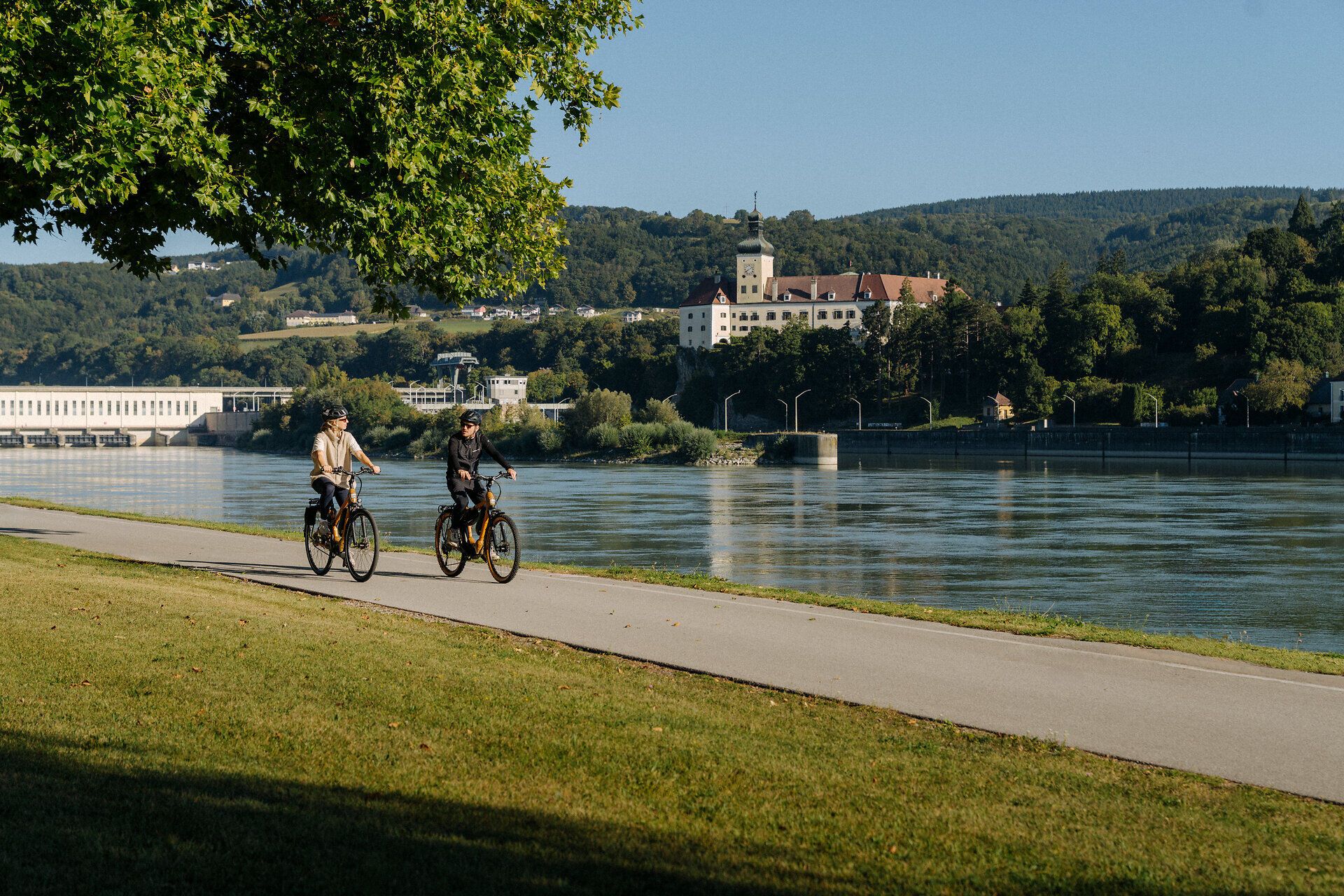
Artstetten Castle is inhabited by the descendants of Archduke Franz Ferdinand. Ordinary mortals are welcome to attend guided tours and events.
One of two UNESCO World Heritage Sites situated on the Danube Cycle Path in Lower Austria. You can see why this is the case at first glance – no need for words.
Top excursion destinations:
Even more reasons why you should spend more time in this area: Aggstein Castle Ruins, Krems Caricature Museum, Krems Art Gallery, the Lower Austria State Gallery, Dürnstein Abbey, Melk Abbey, the “Winzer Krems Sandgrube 13” wine cellars, and so on.
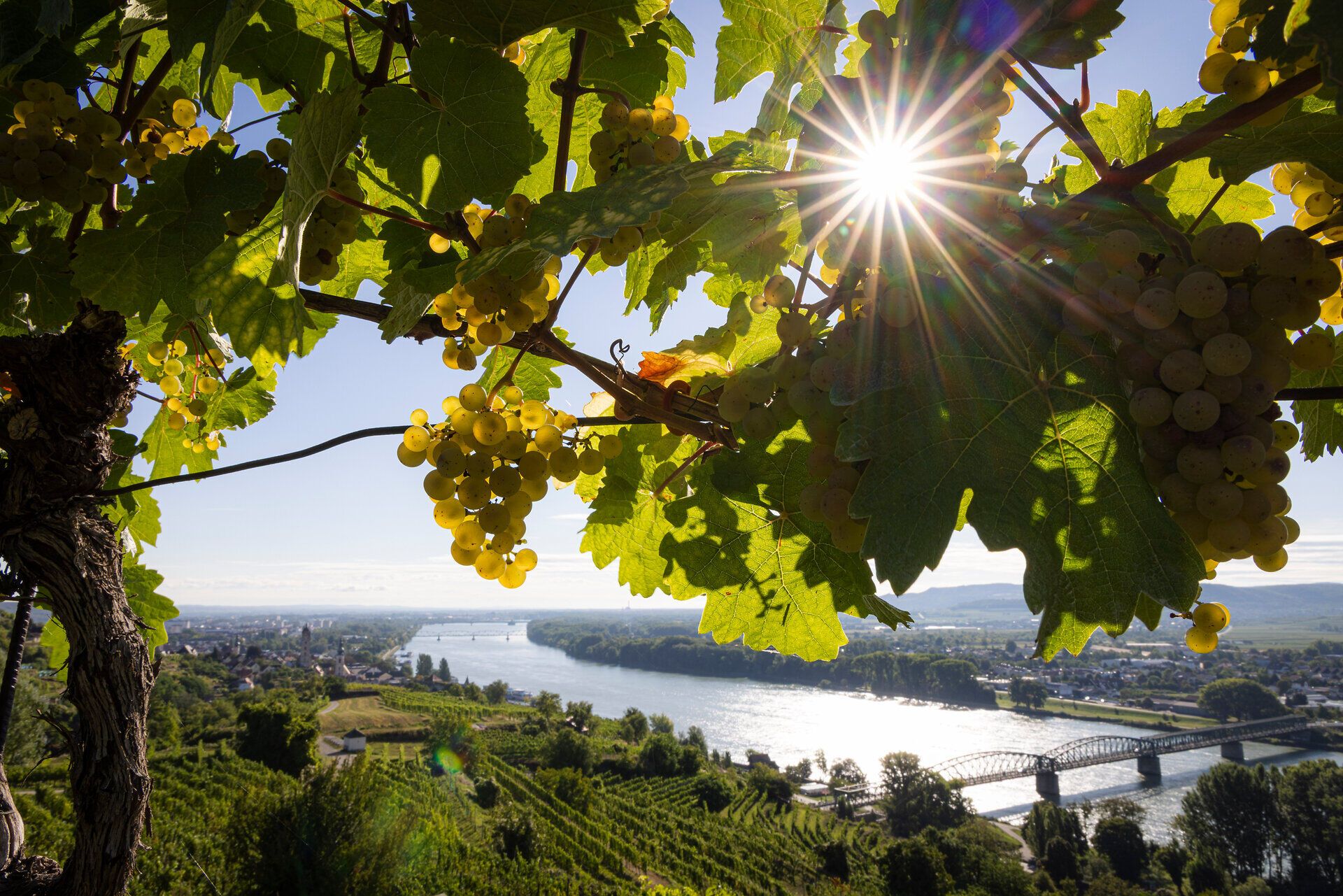
Wine is the dominant topic here. But, with that in mind: don’t drink and ride! It’s better to enjoy a glass afterwards.
Top excursion destination:
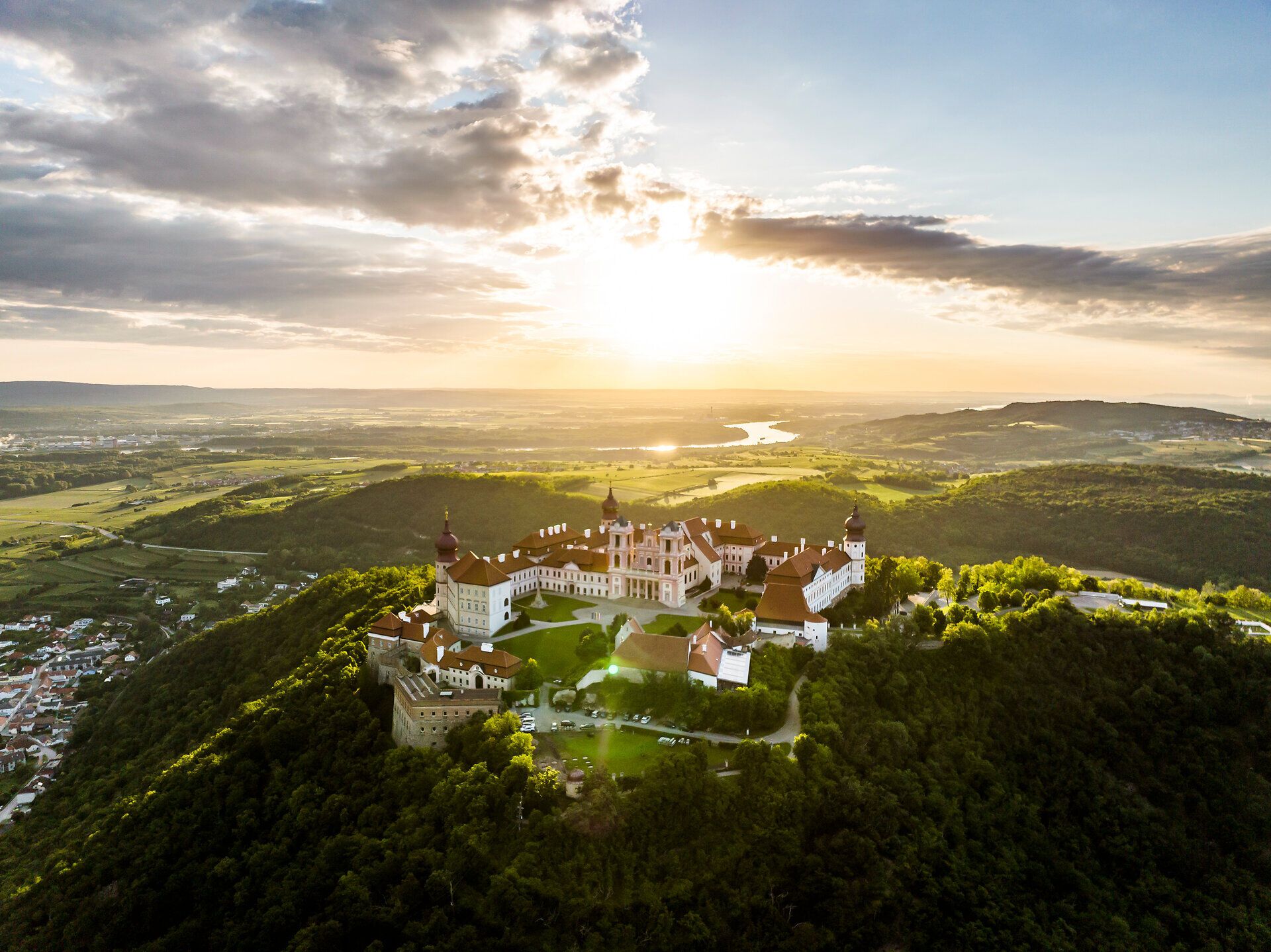
the Göttweig Benedictine Abbey towers high above the Wachau. That’s why the panoramic terrace offers one of the most beautiful views to behold.
Once again, wine is the main focus here. After all, the wine grows particularly well on the region’s soils consisting of bedrock, clay and loess.
Top excursion destination:
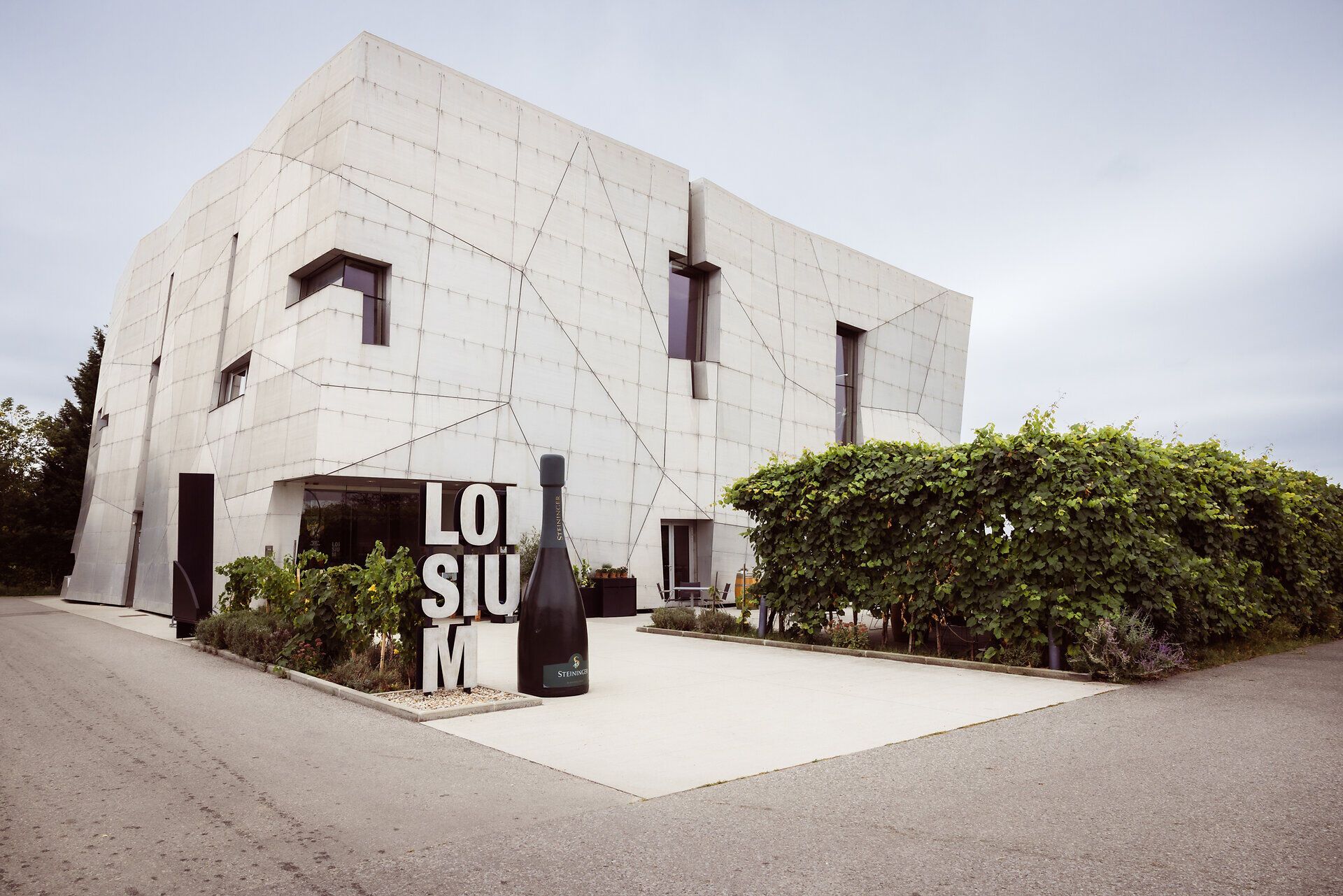
The LOISIUM WeinWelt & Vinothek pays extensive homage to the grape of the vine, while in the
Kittenberg Adventure Gardens, the sheer diversity of flora reigns supreme.
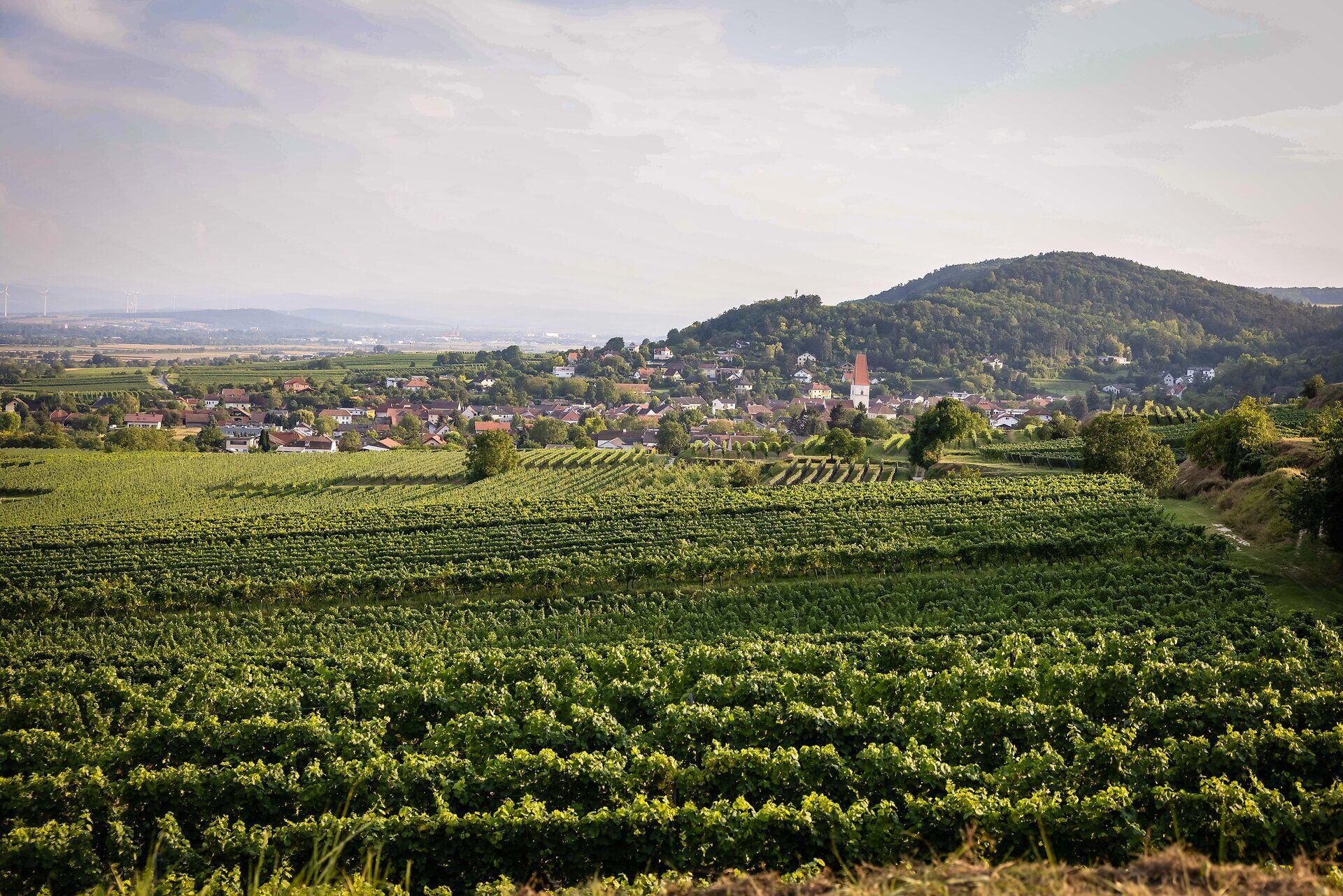
It’s wine time once more! At just under 815 hectares, however, it is the smallest wine-growing region in Lower Austria – and the youngest, although wine was already being cultivated here as far back as the Bronze Age.
You can discover why this is not a contradiction in terms on a guided wine hike, for example. However, you’ll to leave the bike behind.
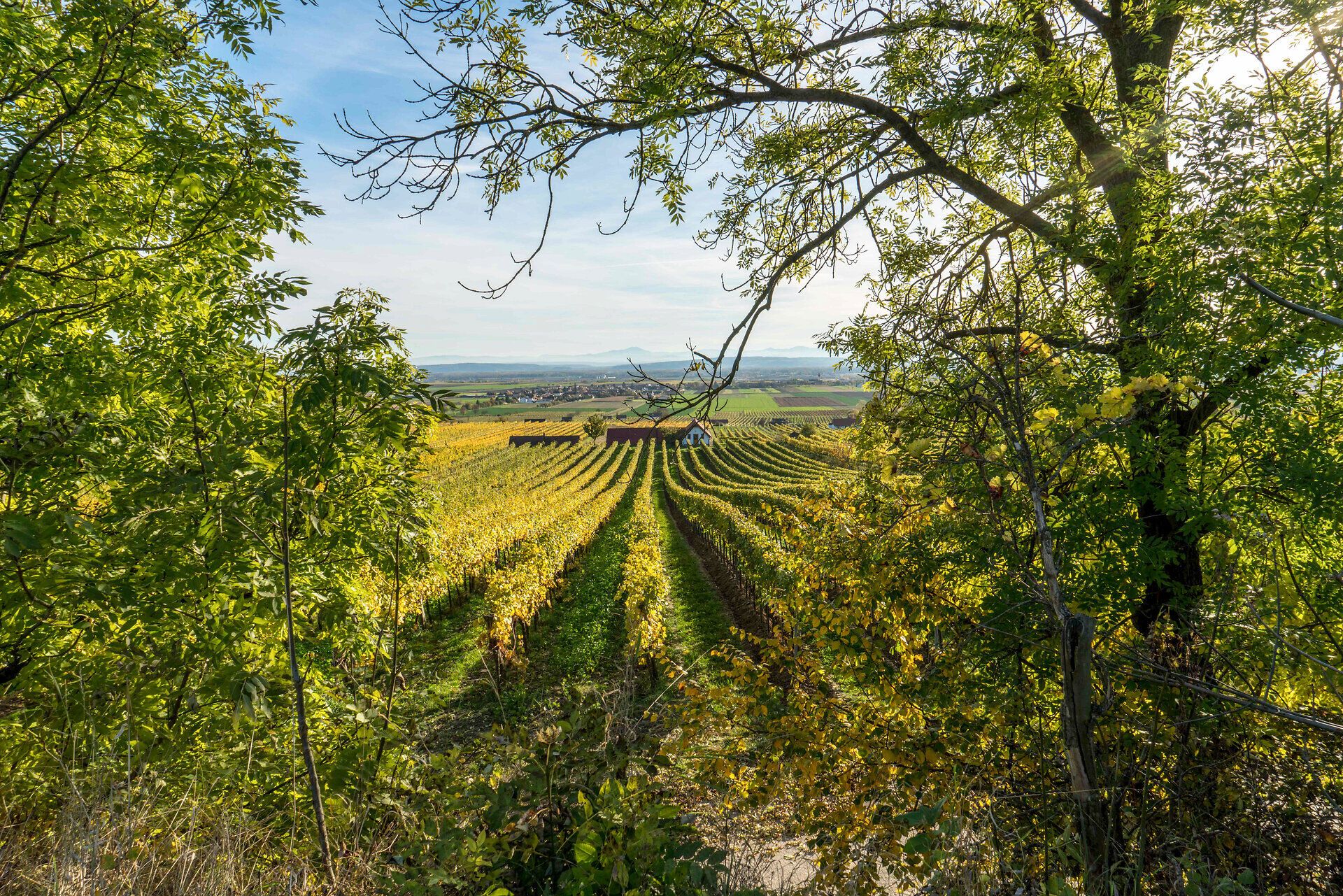
One more round with the wine! To the south of the Danube, you’ll find the wine-growing and wine tavern towns of the Tullnerfeld and to the far east of the region, there’s the traditional wine town of Klosterneuburg. Two very different zones that produce correspondingly different wines. Taking in a comparison is definitely a good idea.
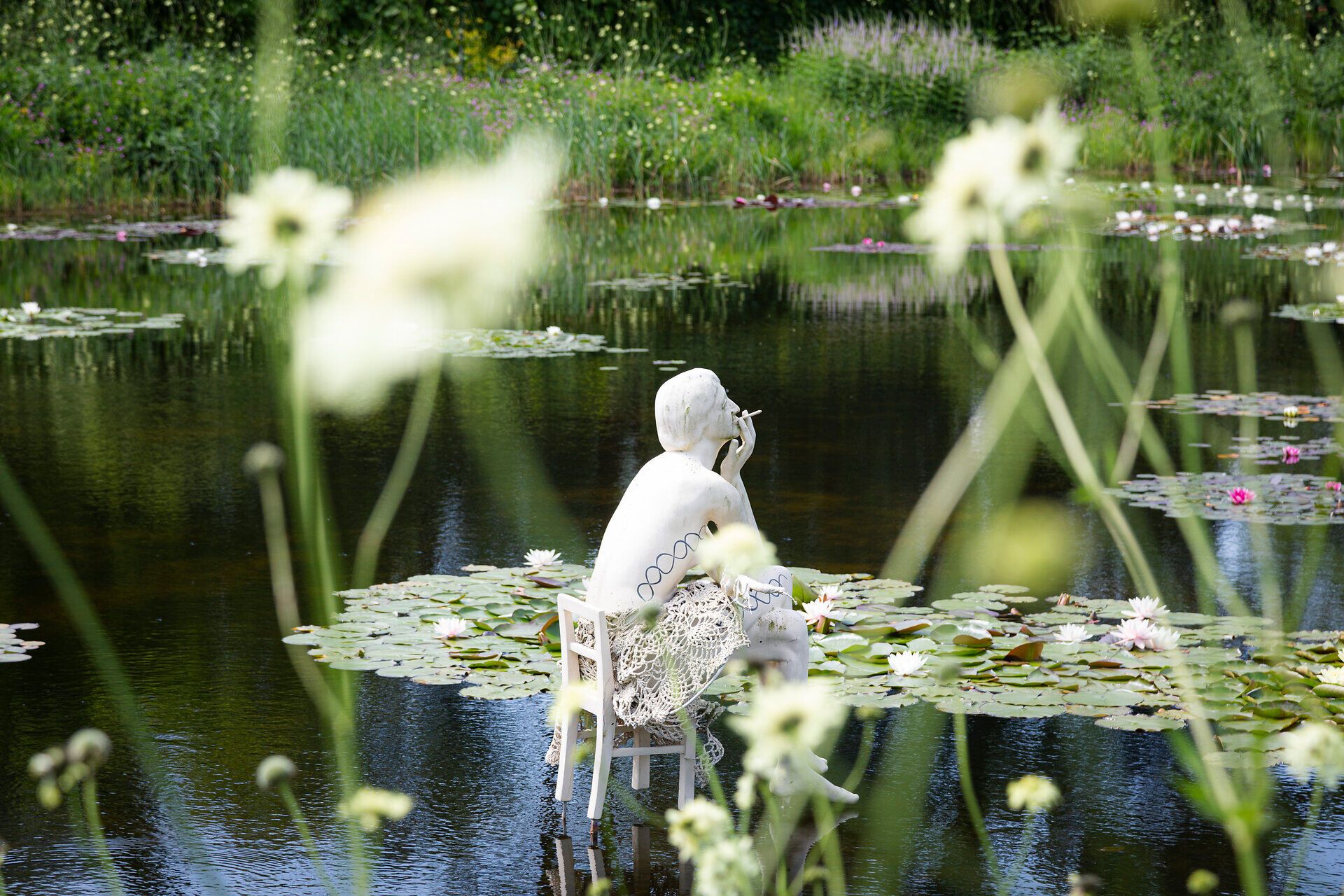
It is not without good reason that Garten Tulln is one of the best-known and most popular excursion destinations in Lower Austria – with its 70 ecological show gardens, and all completely pesticide-free. There is also a 30-metre-high treetop path and Lower Austria’s largest nature playground. That’s why people like to get off the saddle.
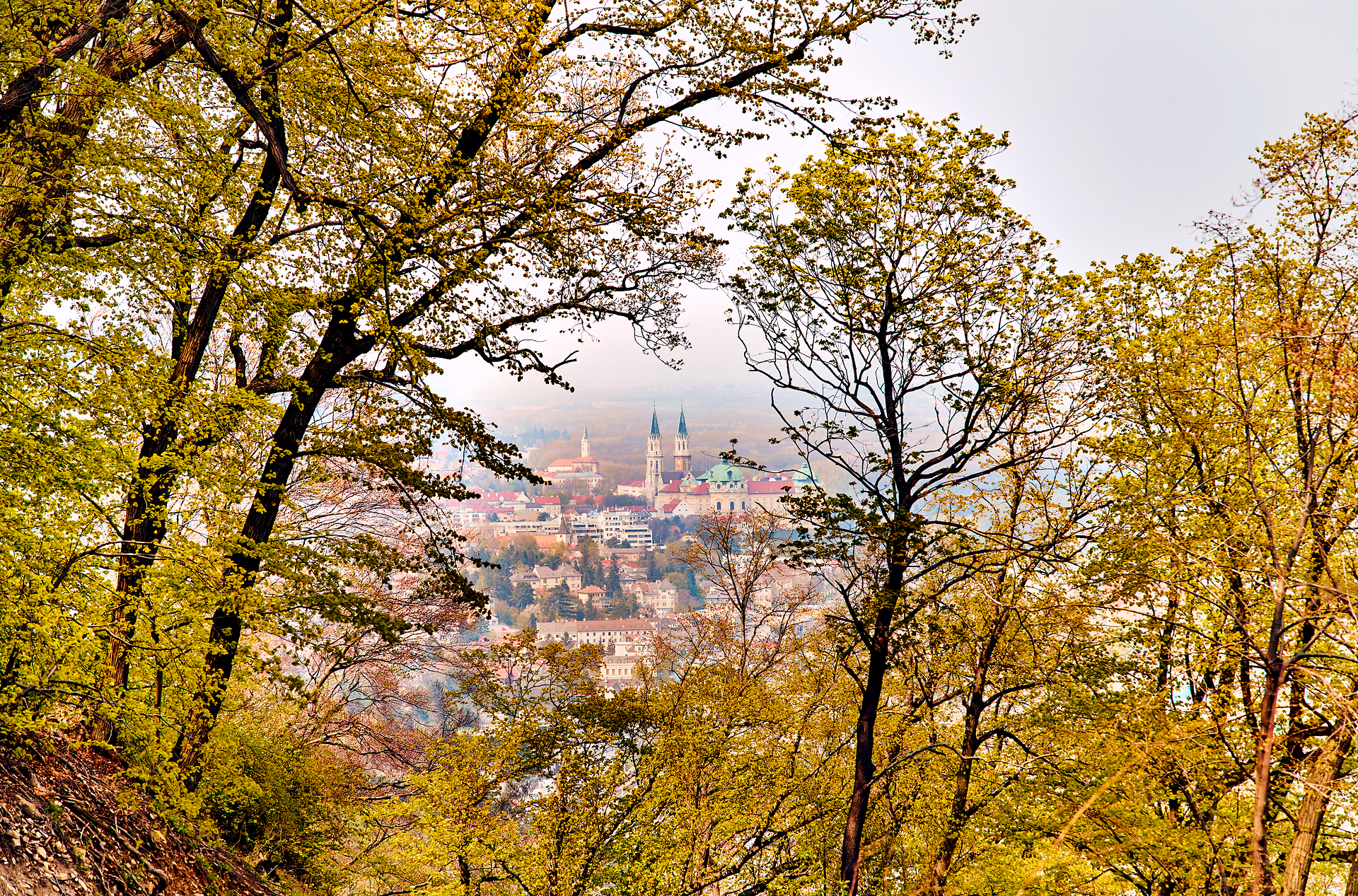
How about a little culture again? Klosterneuburg Abbey not only impresses visitors in terms of its size, but also by how rich it is in terms of its history and stories, which you can learn about on the regular guided tours.
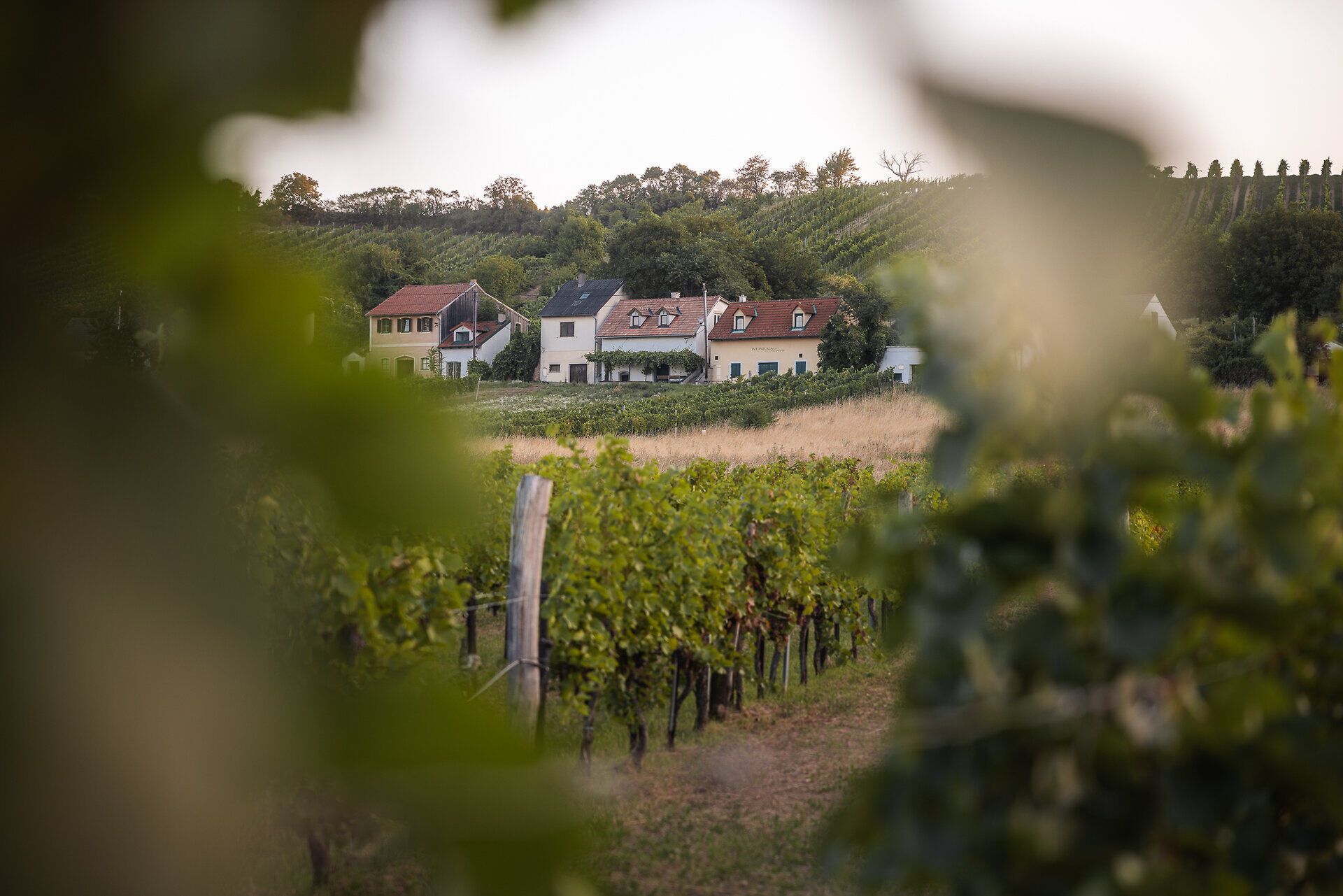
A region that has dedicated itself to enjoyable serenity. This is particularly noticeable in the picturesque “Kellergassen”, but also everywhere else. It’s a good idea to leave the Danube Cycle Path for a short or longer stretch, in order to cruise a little through the hilly landscape and soak up the region’s viticultural tradition.
Tip: Feel free to immerse yourself in times long past in the region’s fossil world.
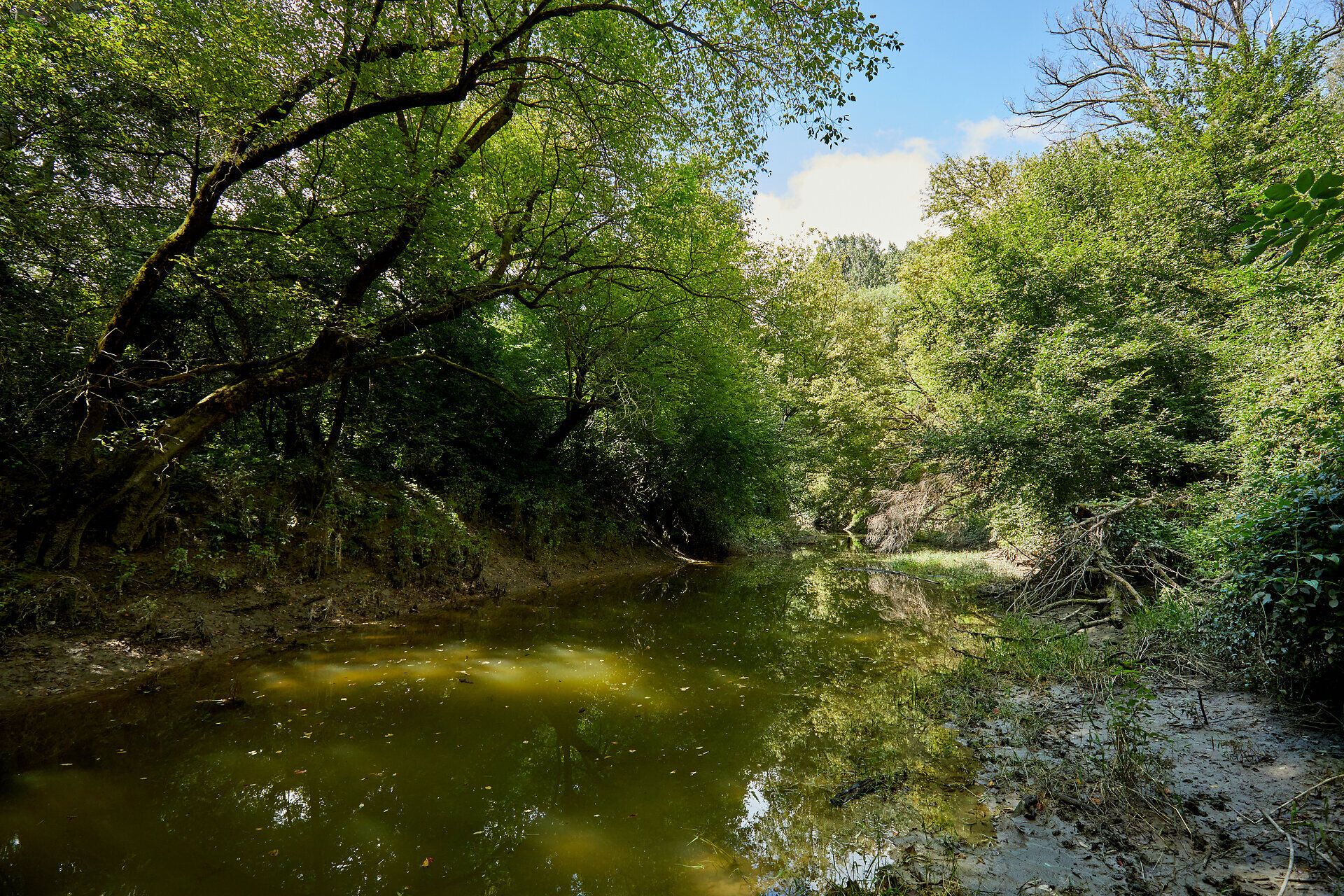
Why not switch the two wheels for a journey on foot: a well-signposted network of paths takes you through the Danube Wetlands National Park (Nationalpark Donauauen) or you can book one of the guided excursions and learn all sorts of interesting facts about the area. Or you can even explore the free-flowing Danube by boat.
Nature and castles ... so many castles:
Schloss Orth with the National Park Centre and many other castles – Schloss Hof, Schloss Niederweiden, Schloss Eckartsau an so on.
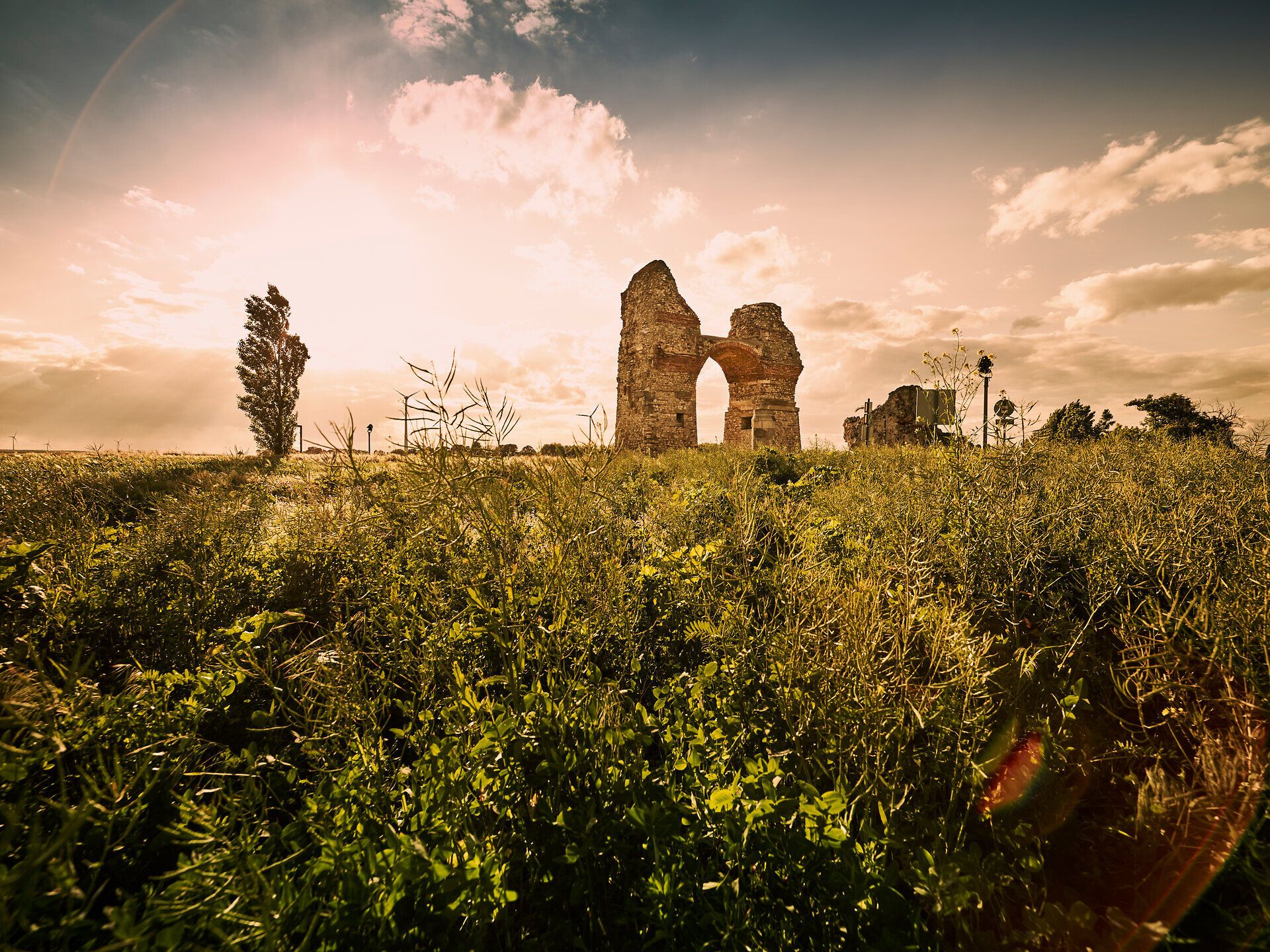
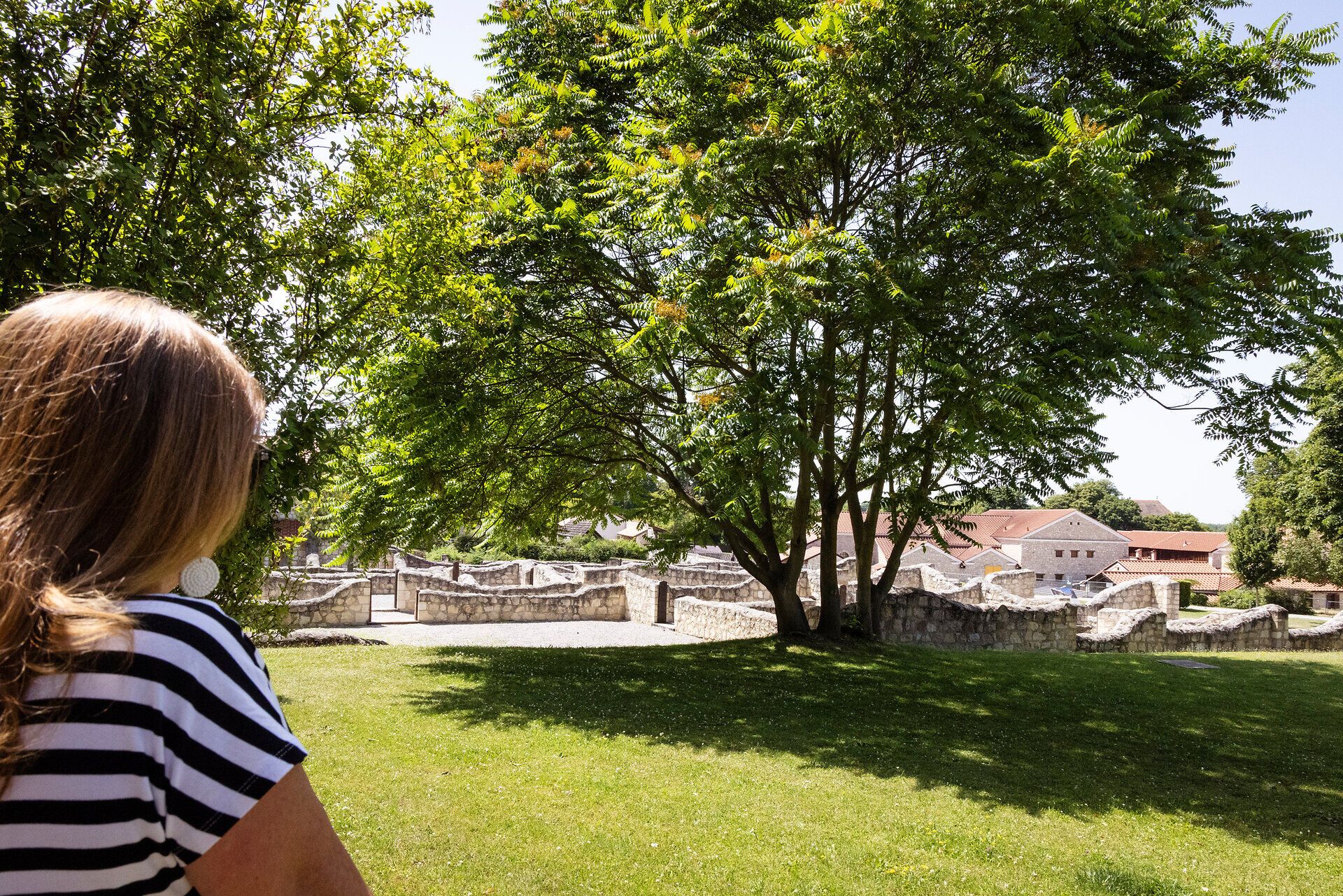
A journey through time! In Carnuntum, a section of a Roman quarter was reconstructed on the original site and the Roman houses were rebuilt completely and put into working order – including the amphitheatre. The “Heidentor” or “Pagan Gate” is still partly preserved in its original state. Original artefacts are also on display in the Carnuntinum Museum.
The second UNESCO World Heritage Site to be found along the Danube Cycle Path in Lower Austria. – once the river border for the Roman Empire. As you cycle past, you can still see architectural relics that serve as witnesses to the past – such as forts and watchtowers.
If you want to go on a longer bike tour through Lower Austria, turn off the Danube Cycle Path onto one of the 13 Danube loops. Simply follow the signs – for a leisurely 20 kilometres or up to a sporty 112 kilometres more!
