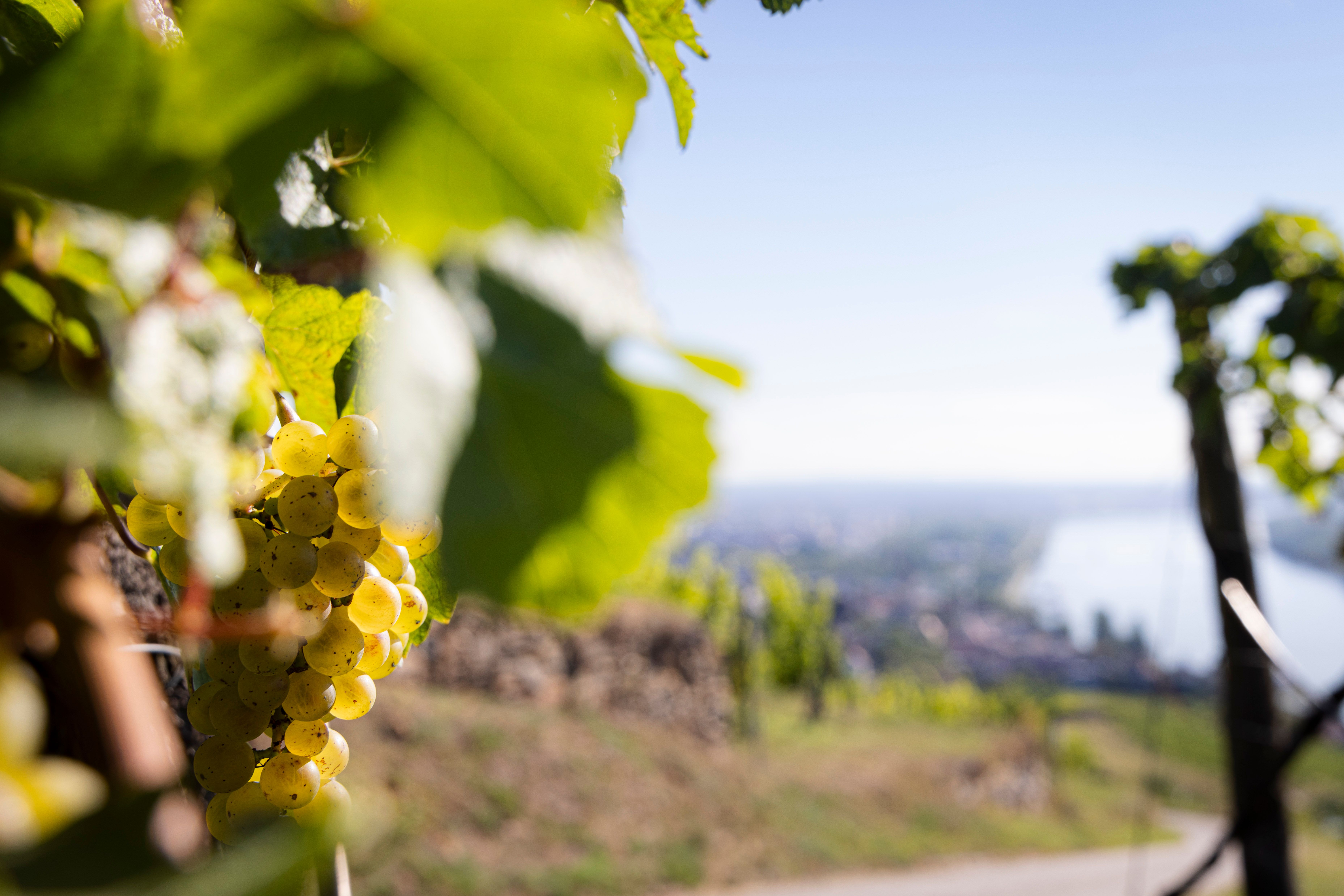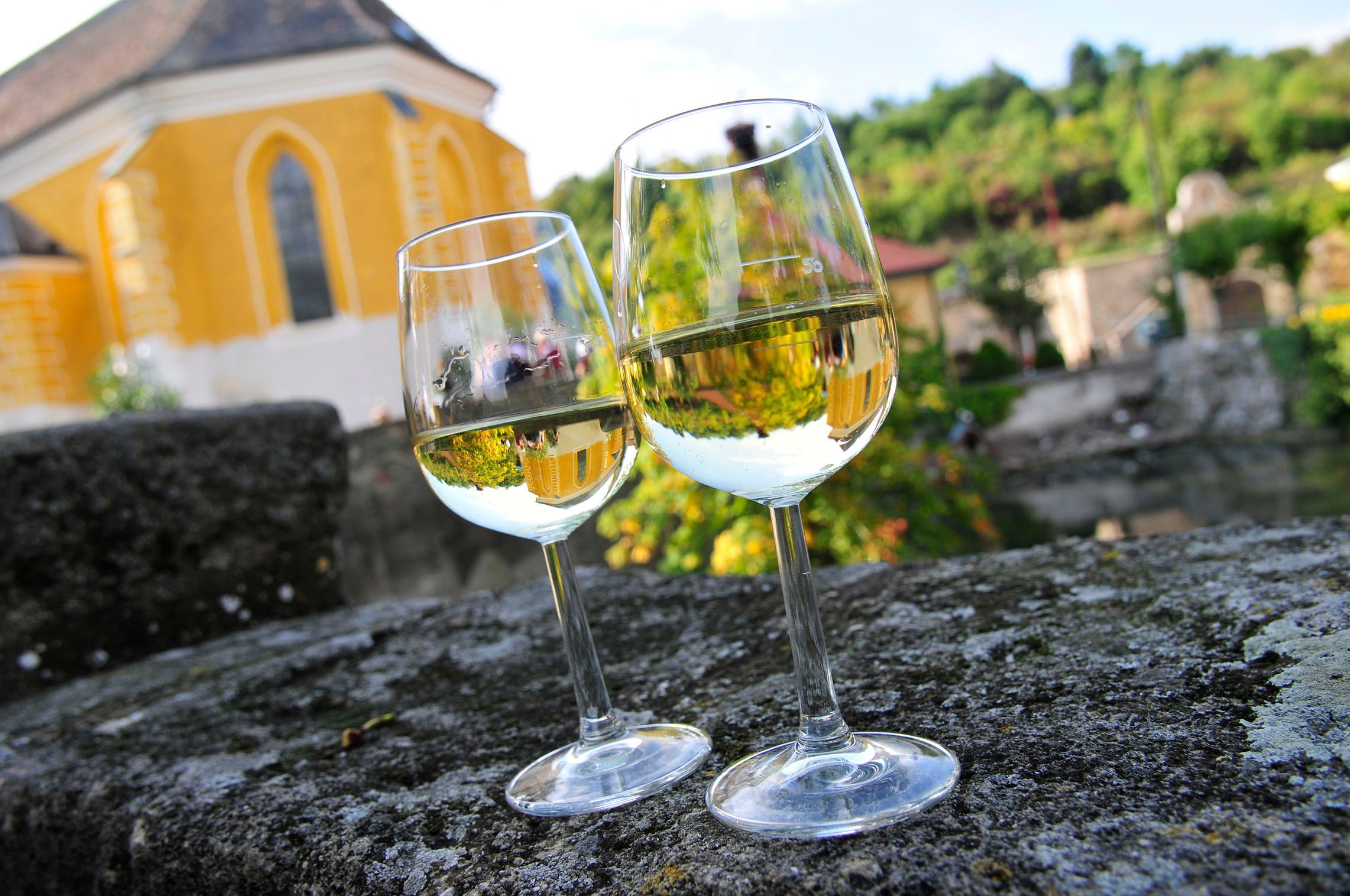
Wachau is probably the most prominent wine-producing region in the country with its 155 main vineyards and sub-vineyards. Steinfeder, Federspiel, Smaragd: almost the whole world knows these terms. This describes the three different Wachau wine styles. From light and fragrant to highly complex – especially Grüner Veltliner and Riesling.
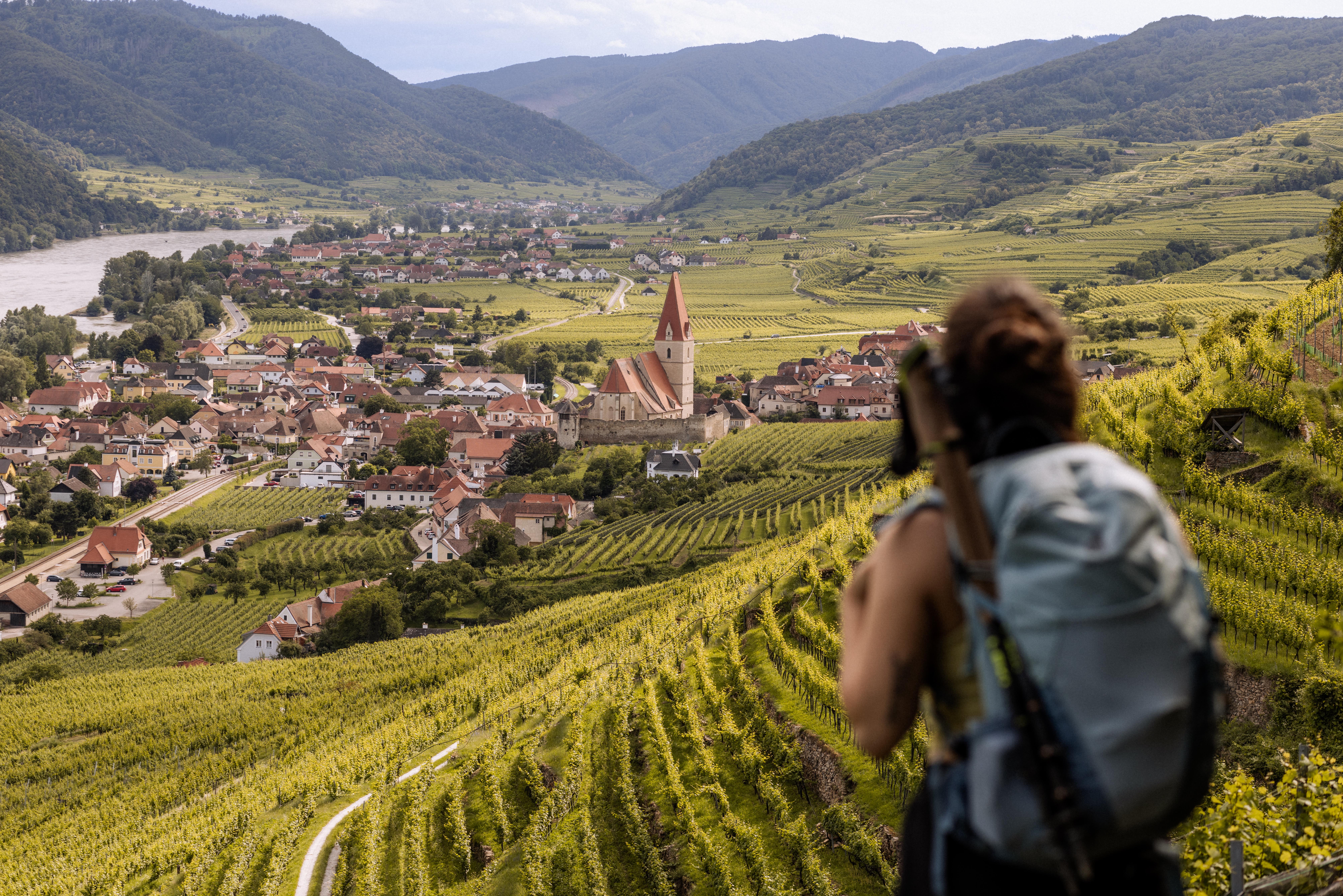
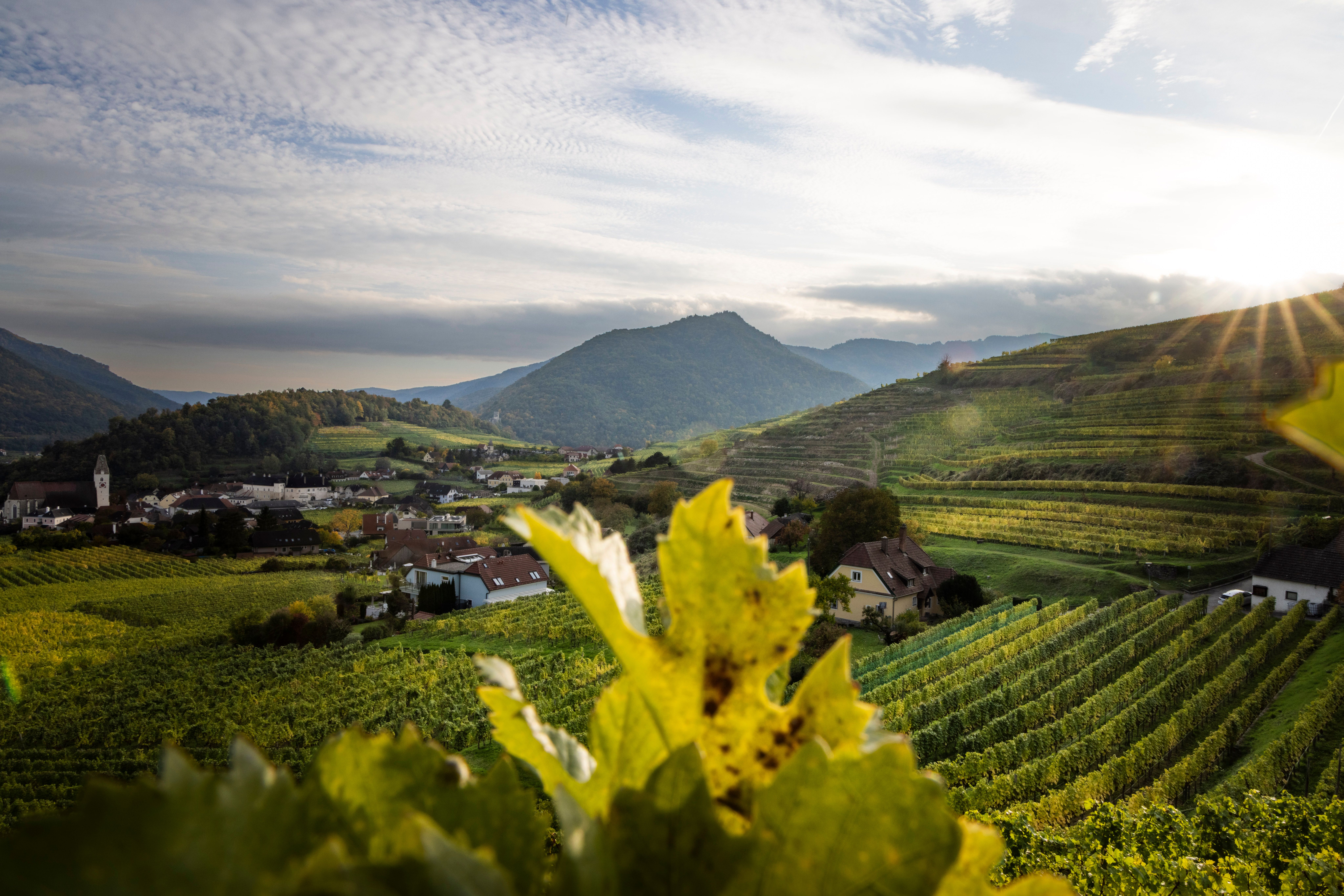
If you were to summarise Wachau in one picture, it consists of kilometres of dry stone terraces. They give Wachau its typical face. Between Spitz an der Donau in the west and Unterloiben in the east, they characterise the region’s steep slopes, which demand a tremendous amount of manual labour from the winegrowers. A backdrop that is unrivalled.
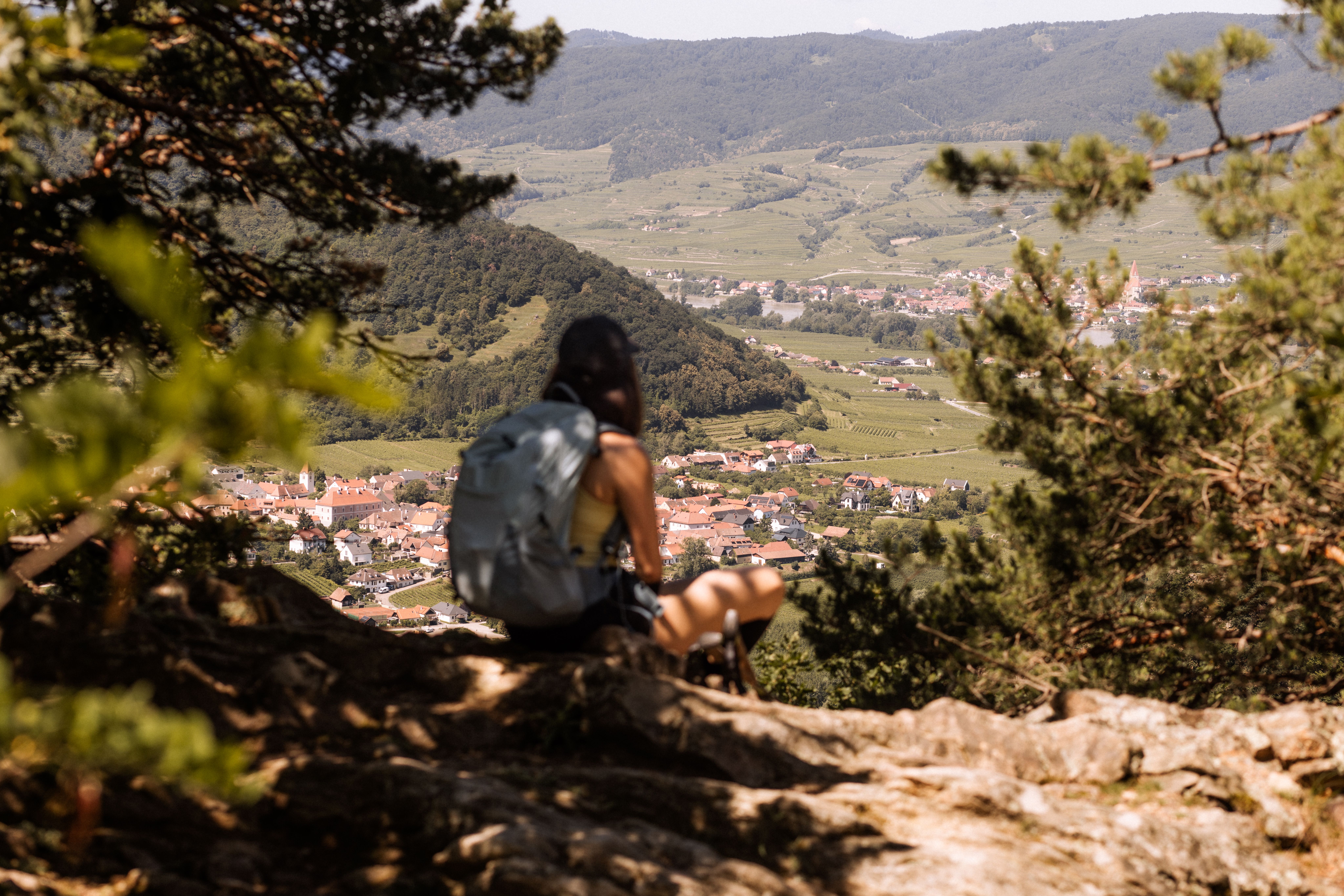
If you want to explore Wachau on foot, why not take a walk along the Wachau World Heritage Trail. It stretches over 180 kilometres in several stages through the entire region – through the vineyards and medieval villages, past world-renowned wineries, award-winning restaurants and wine taverns.
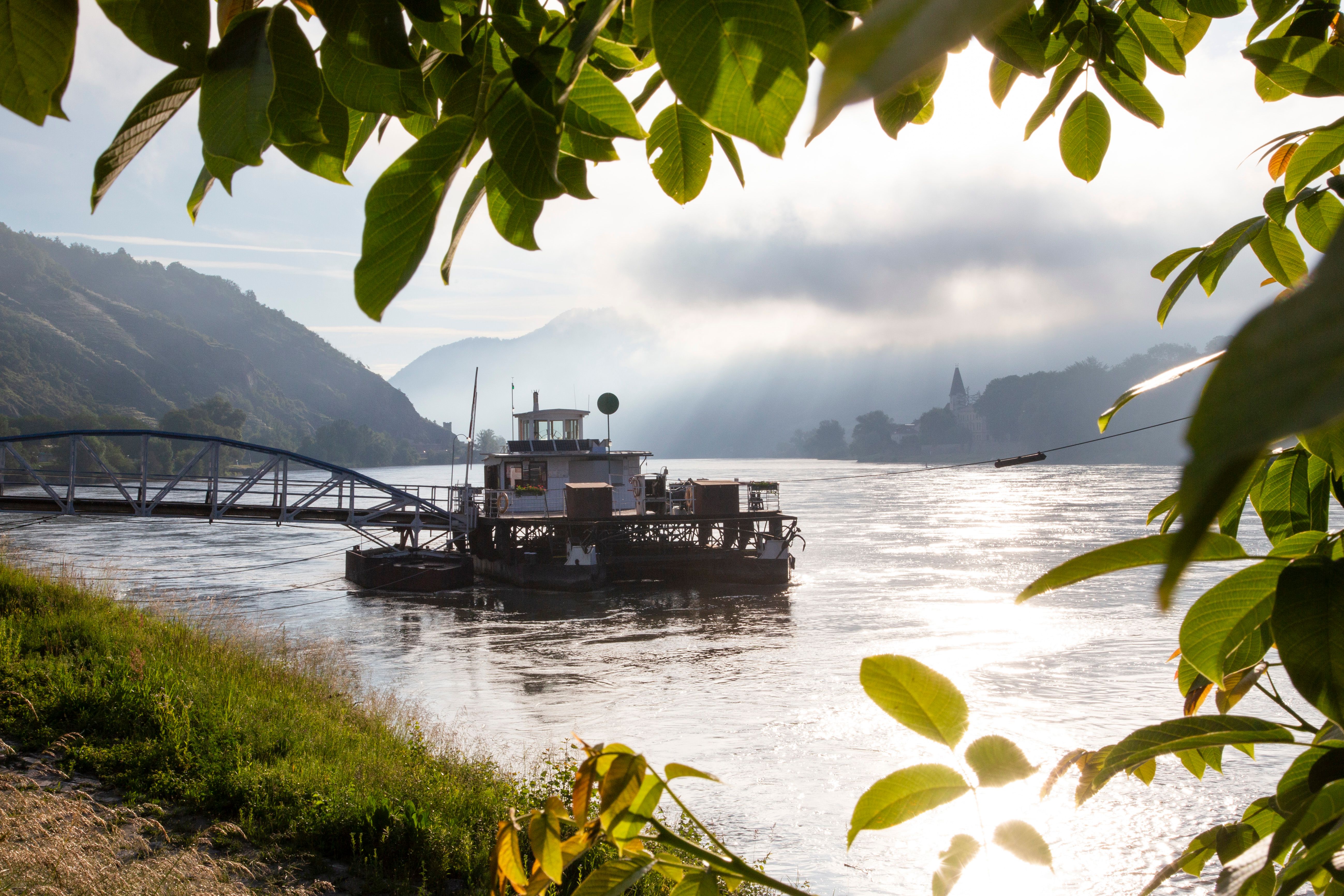
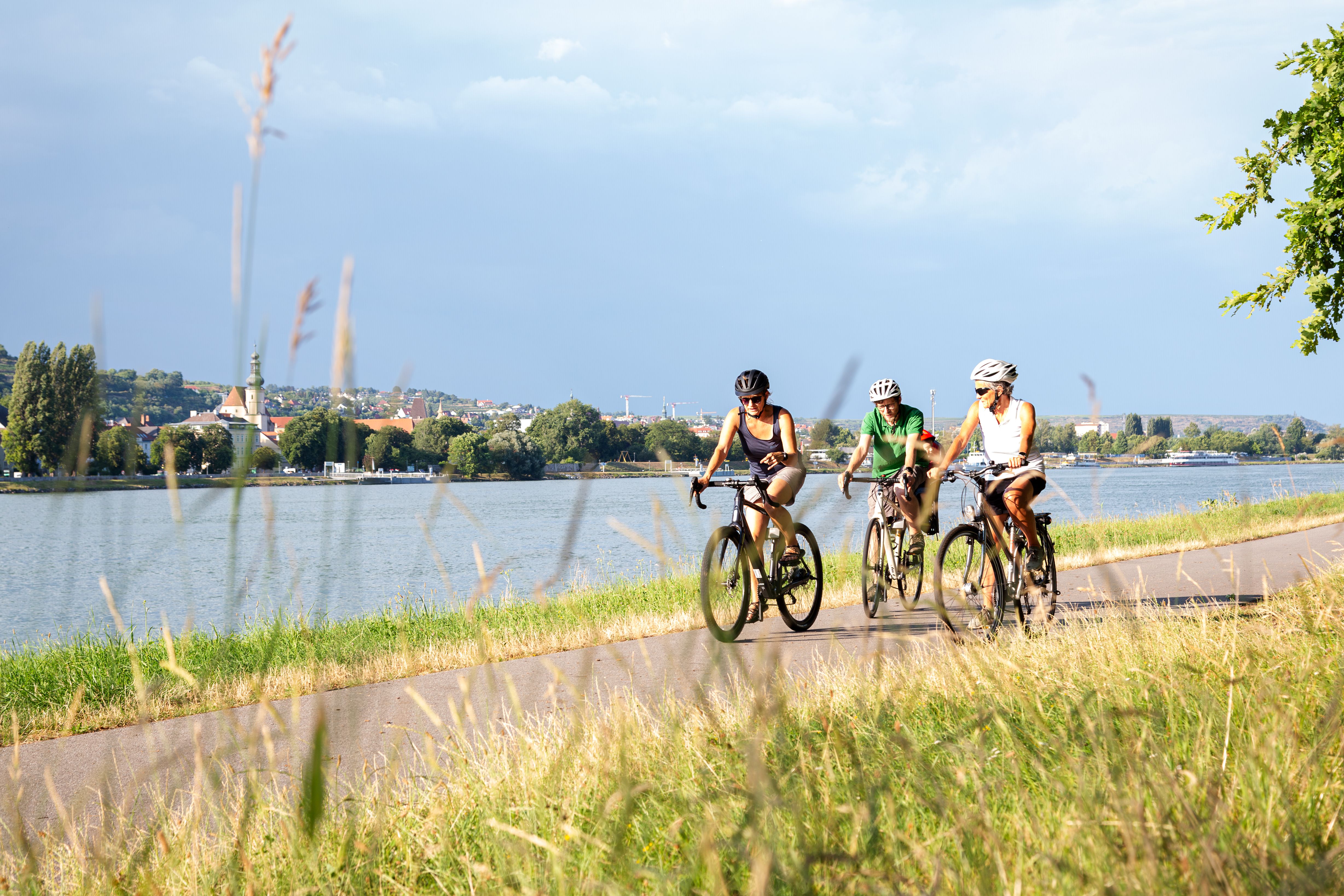
In no other wine-producing region does the Danube feel so present. The right and left banks are also connected by two river ferries – in Spitz an der Donau and in Weißenkirchen. The crossing is really something special!
Things are a little quieter on the right bank of the Danube. Here you will not only find a particularly large number of wine taverns, but also young wineries that focus on organic farming. Lots to discover! Just like in the “Spitzer Graben,” the coldest part of the wine-producing region.
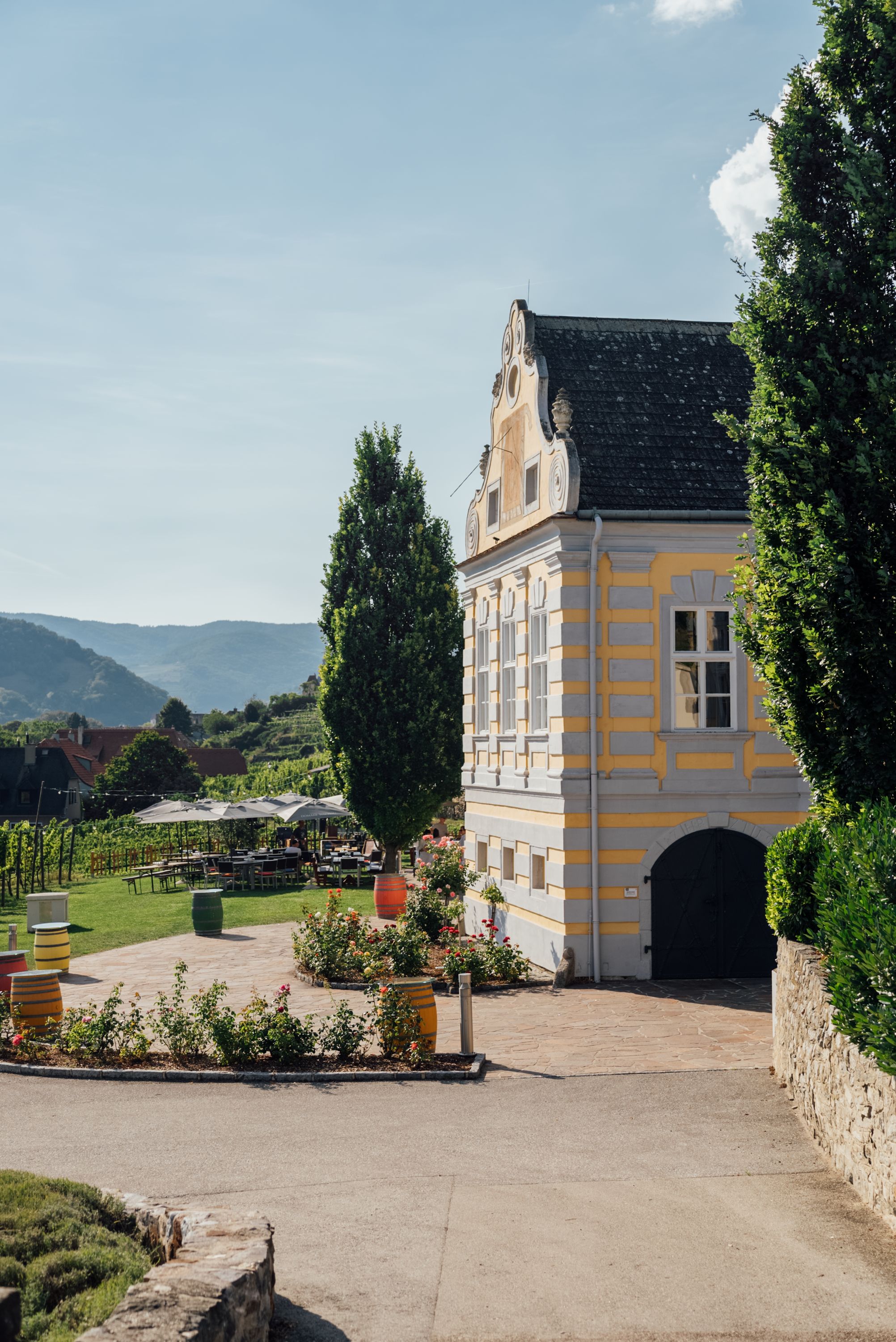
If you want to get a solid overview, head to Domäne Wachau in Dürnstein. Here you can taste wines from all parts of Wachau or book a guided tour of the wine cellar and the baroque Kellerschlössel.
One highlight at the start of the season is the “Wachau Wine Spring,” organised by Vinea Wachau. This is when most wineries open their doors to taste the new vintage together.