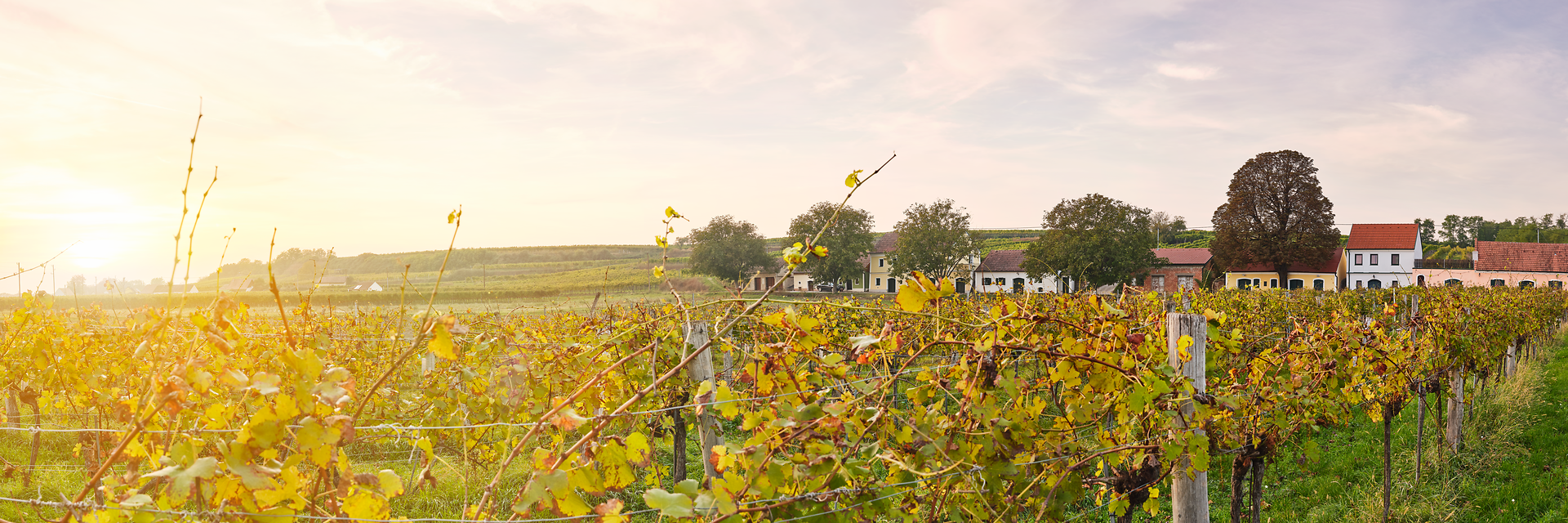
Wagram. The wine-producing region with a terrain that really stands out: the loess between the wine villages of Feuersbrunn, Fels, Kirchberg am Wagram and Großweikersdorf towers up to 40 metres high. Here in the north of the Danube lies the area’s larger region, with a smaller part to the south around Tulln an der Donau and Klosterneuburg.
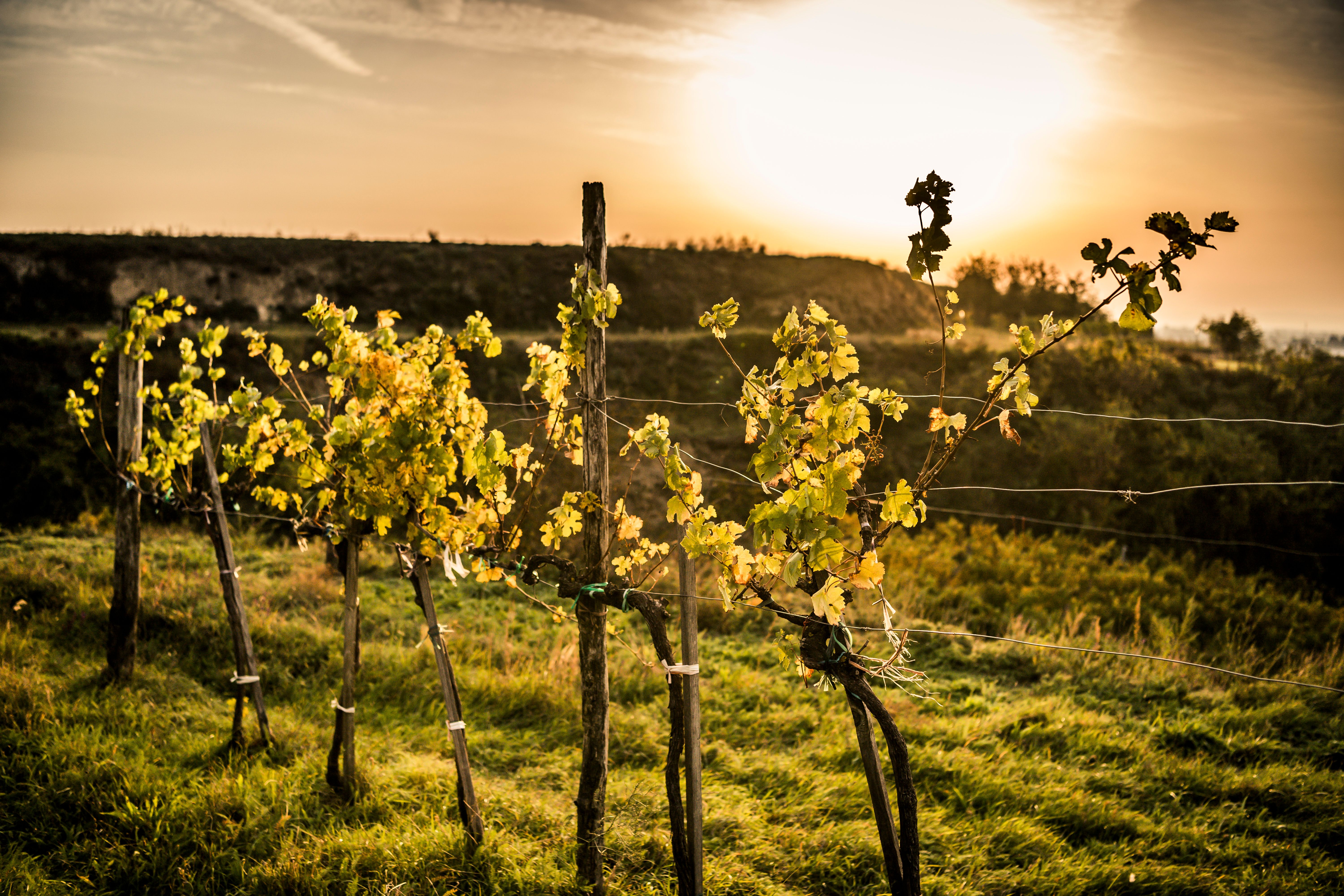
Loess is primaeval rock dust – a soil that is good at storing nutrients. This makes the wines from Wagram particularly flavoursome and creamy. Although the Grüner Veltliner sets the tone in terms of quantity, the Roter Veltliner sure makes itself heard. Anyone visiting Wagram should definitely try this indigenous variety. Winegrowers affectionately call her the “Diva” because she needs a lot of care in the vineyard. Less than one per cent of Austria’s vineyards are planted with it – almost all of them located in Wagram.
What does Roter Veltliner taste like? First things first: Roter Veltliner is a white wine variety. And the wines are often very harmonious and floral, with a hint of spice. Perfect for all those who prefer a more moderate approach to acidity.
The “Roter Veltliner” – a white wine!
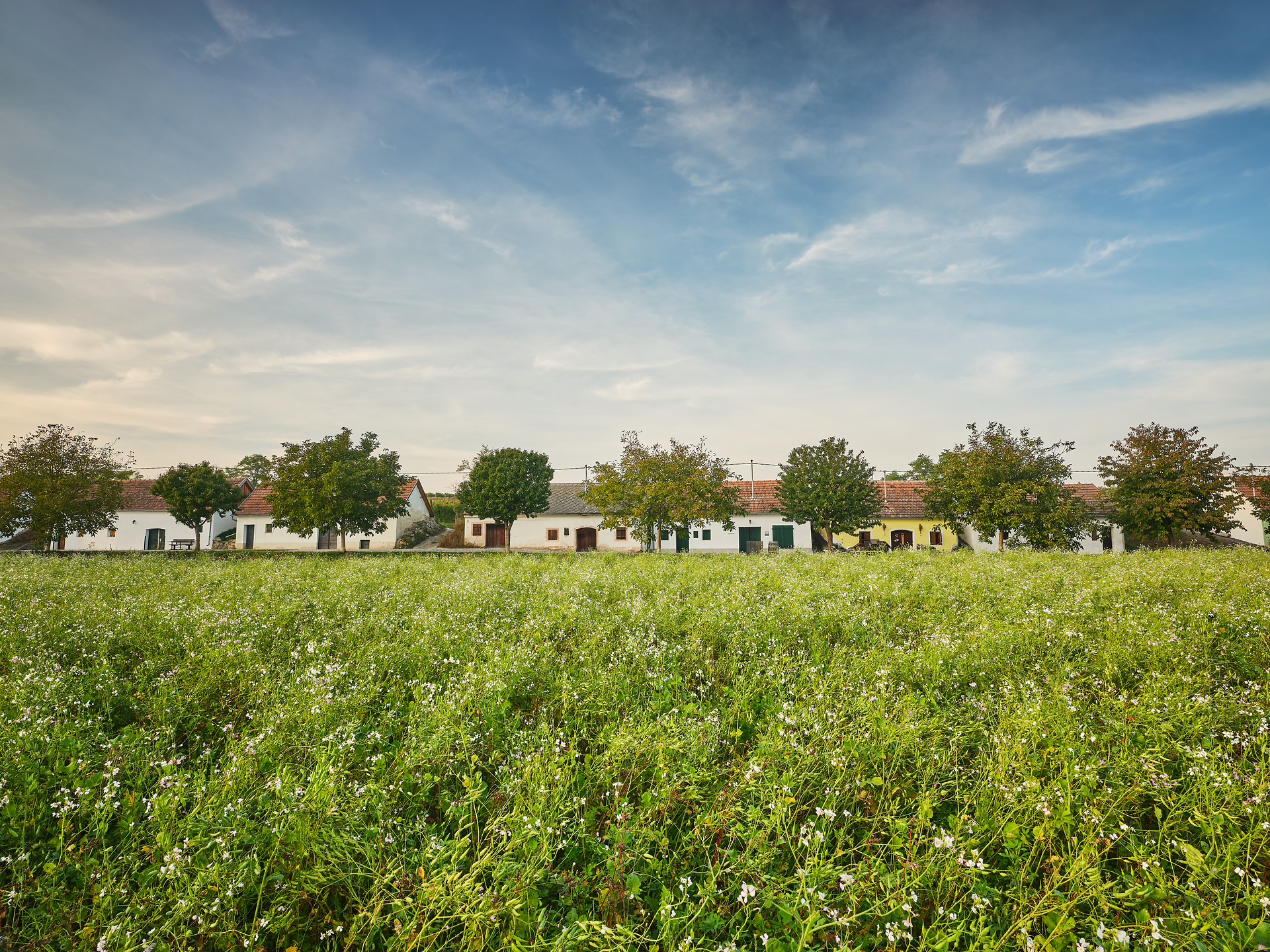
You get the feeling that the clocks tick a little slower in Wagram. A big plus. Here, you can hike and cycle through the vineyards and cellar alleys. Every village is different – almost everywhere, there are wineries whose doors are open. One centre is Kirchberg am Wagram, where you can taste the diversity of Wagram in the regional wine shop, Weritas. The region also has plenty to offer in terms of cuisine – from wine taverns to award-winning restaurants.
The wine-producing region also includes the small wine villages in Tullnerfeld. It is particularly rustic here. Klosterneuburg is different. The traditional wine town is home to one of the oldest wineries in the country: Klosterneuburg Abbey.