From the depths to clear heights
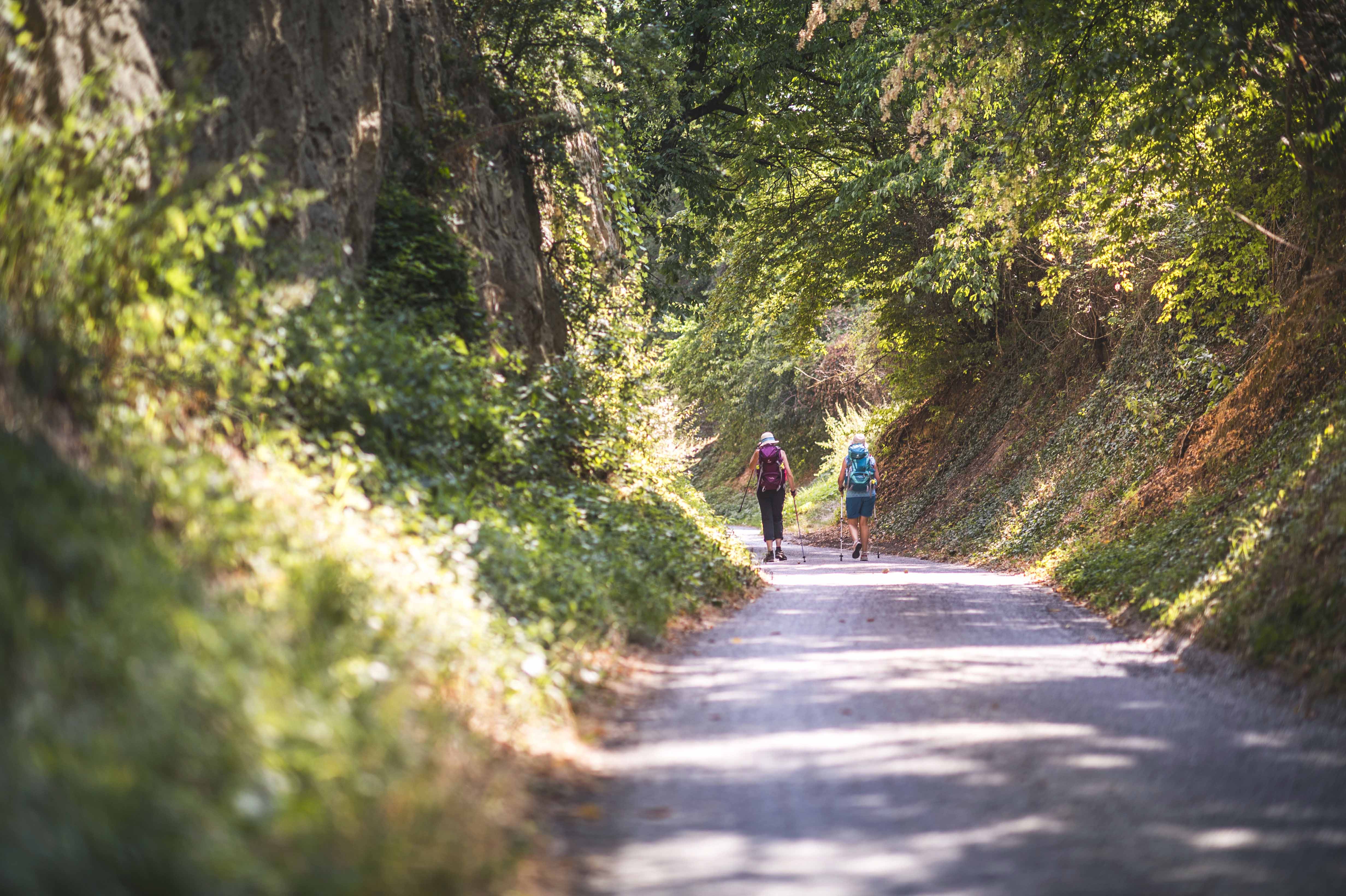
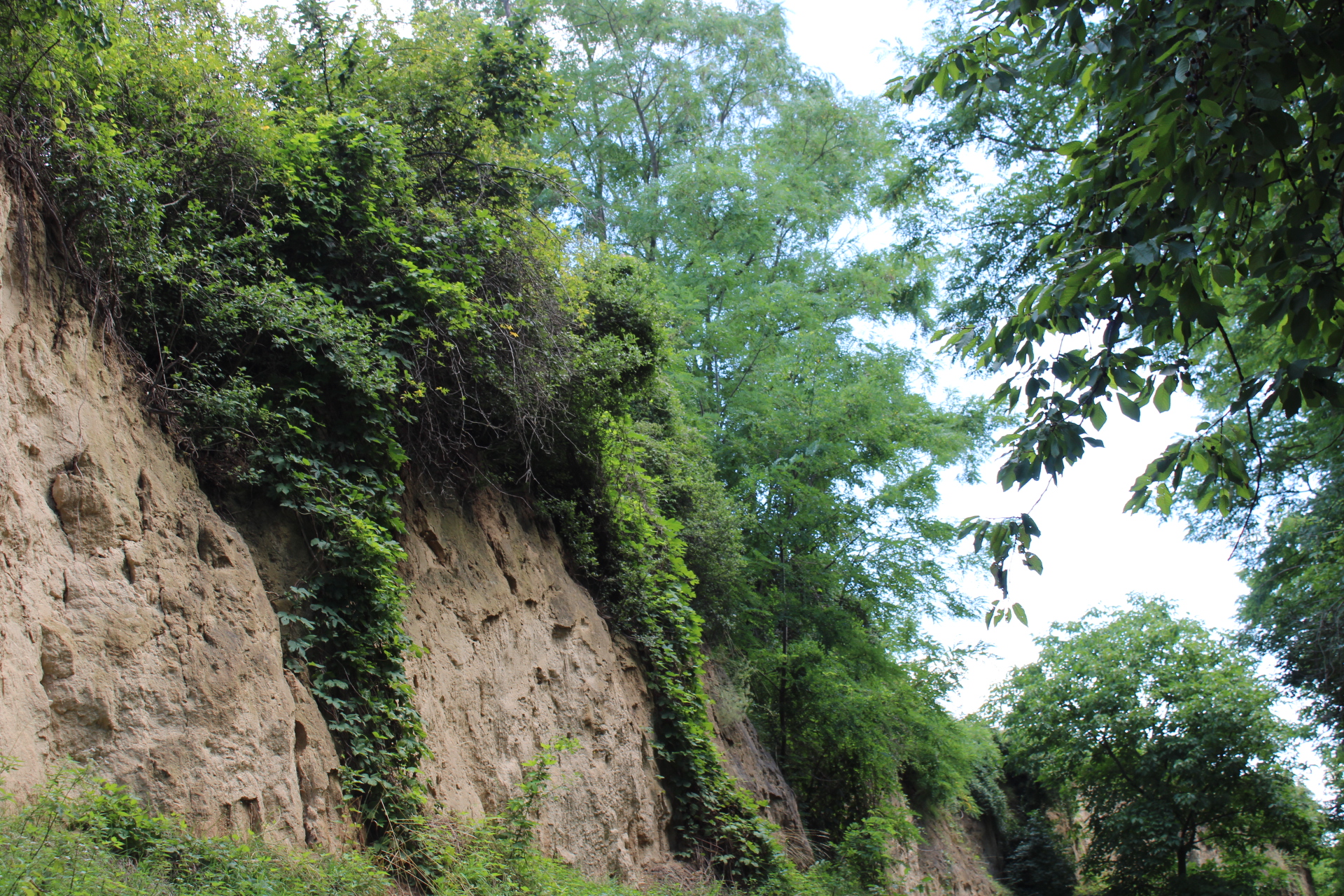
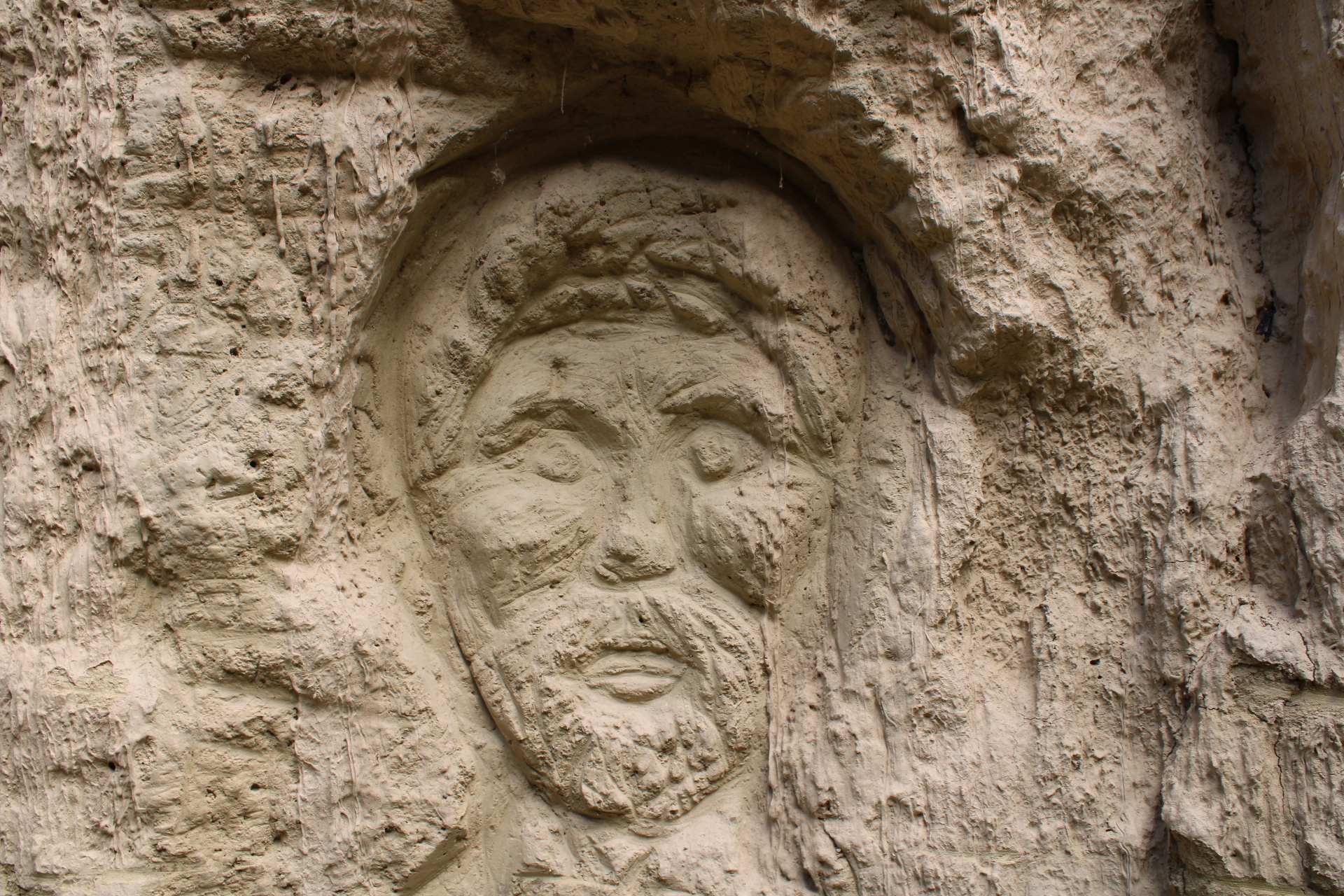
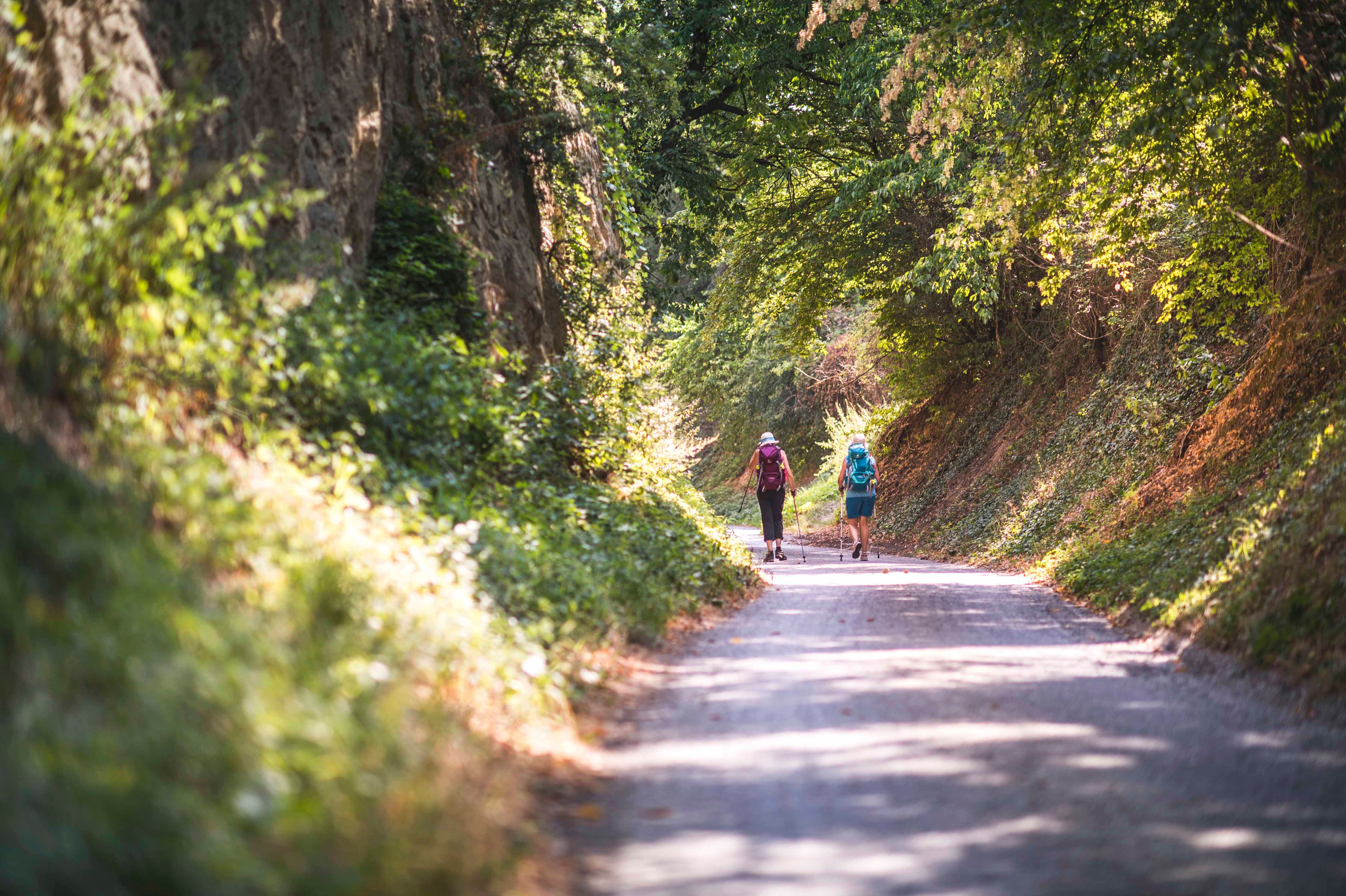
A long kilometer, narrow and idyllic between loess walls up to 12 meters high: This makes the Zellergraben near Furth-Göttweig one of the most impressive hollow paths in the region. In addition to special plants, rare insects such as wild bees and crickets thrive here. The yellowish and very fine-grained loess was formed from sand blown onto the slopes by the wind from the huge gravel terraces of the Danube.
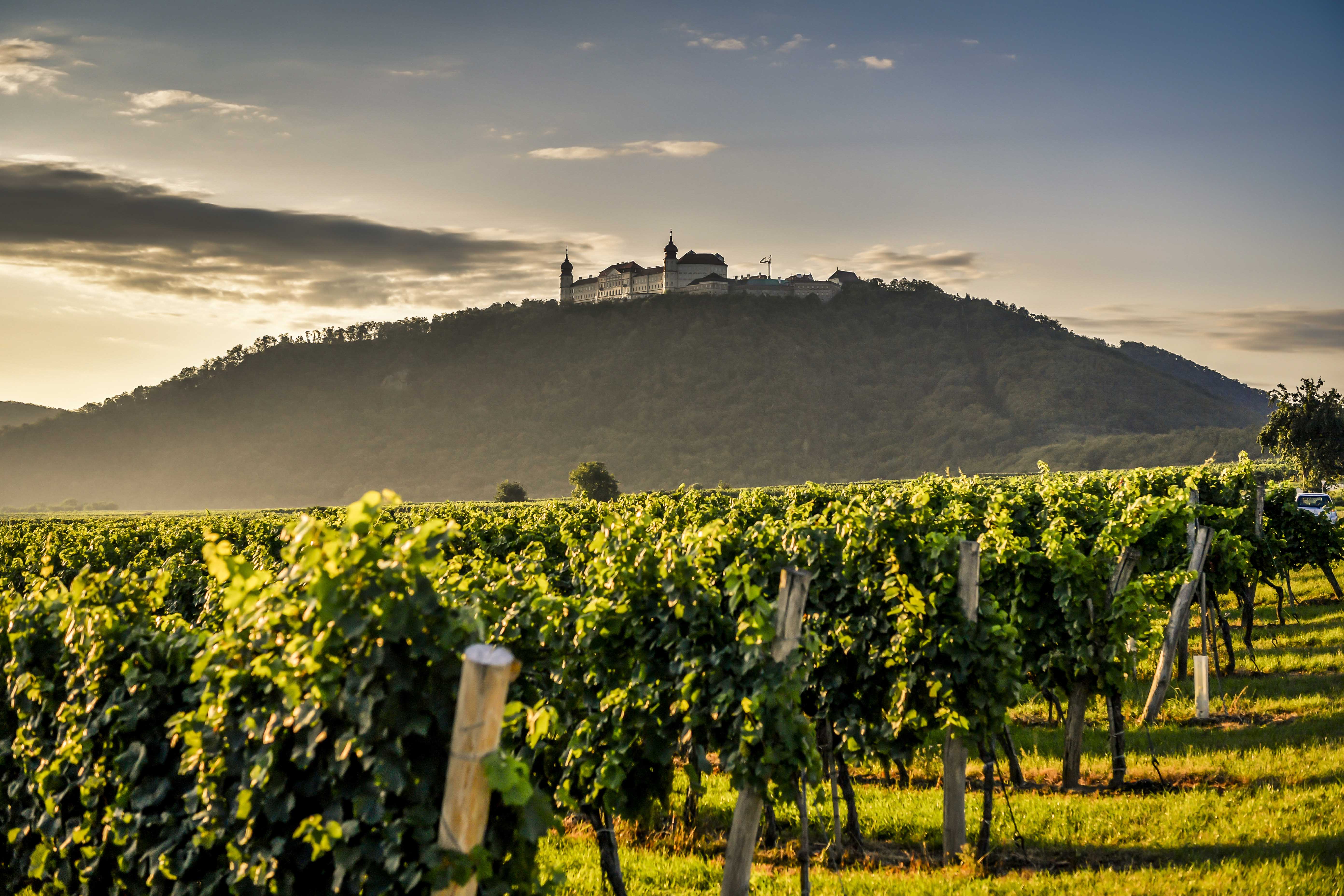
Göttweig Abbey rises 200 meters above the Zellergraben, an imposing backdrop. Only remnants of the medieval buildings of the monastery, founded in 1083, have survived. After a devastating fire in 1718, the imperial court architect Lucas von Hildebrandt himself drew up the plans for the magnificent new baroque building.
Would you have guessed it?
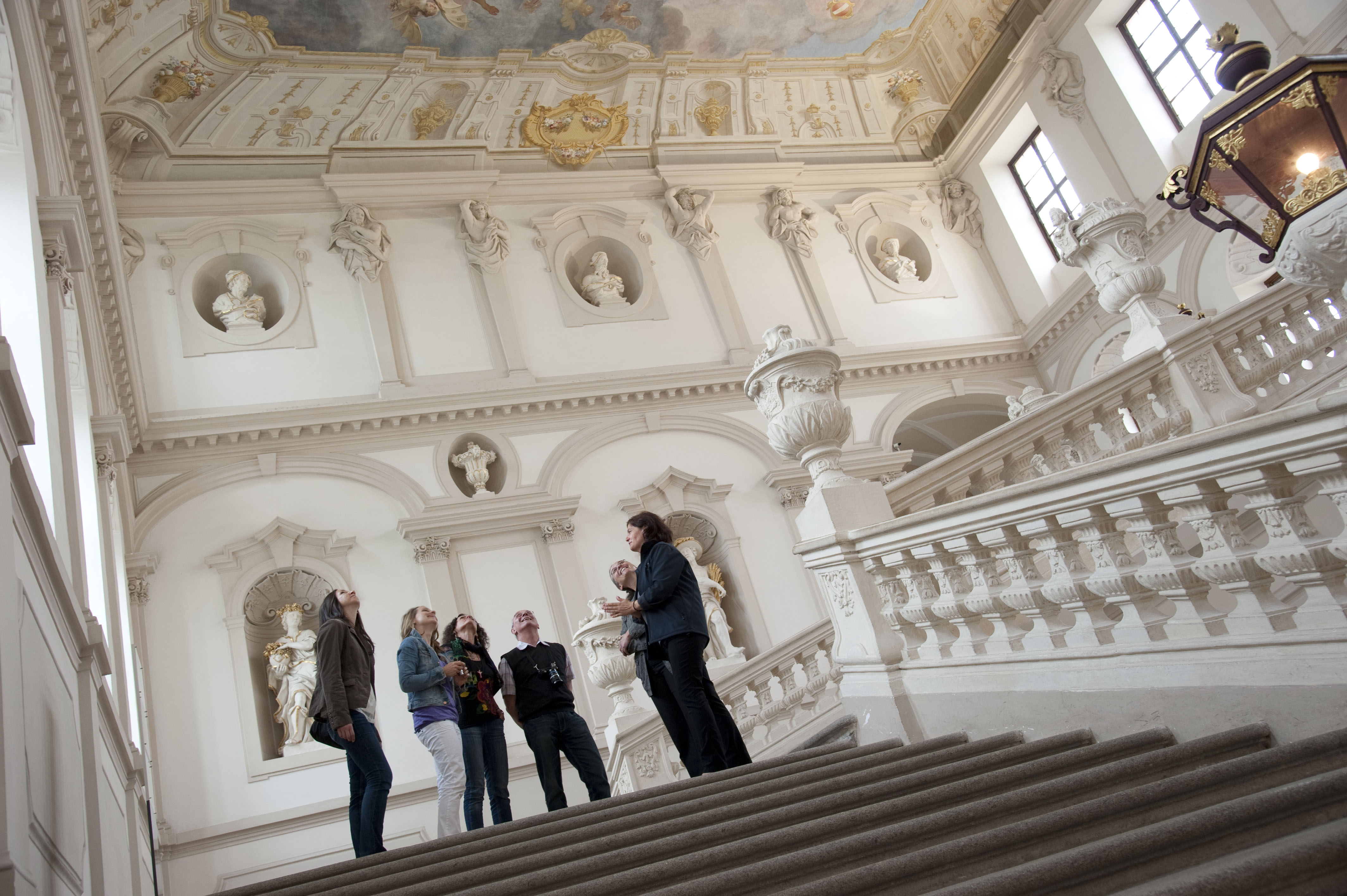
The imperial staircase in the imperial wing of the monastery is one of the most beautiful and largest baroque staircases in Europe. The plans for the entire monastery complex must have been monumental: Because only two thirds of them were ultimately realized!