Of eavesdroppers and miracle baptisms
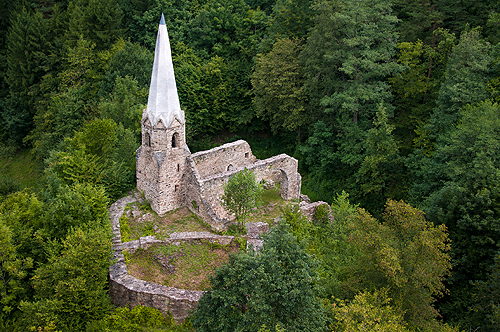
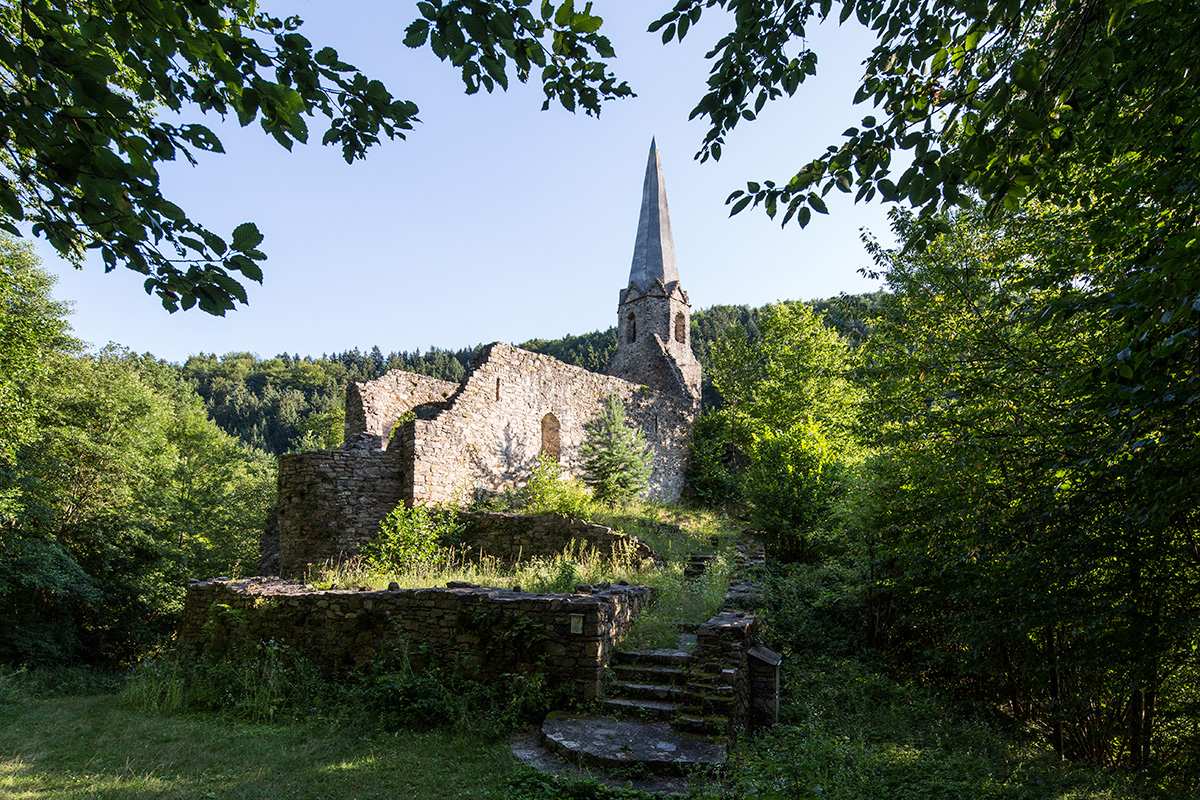
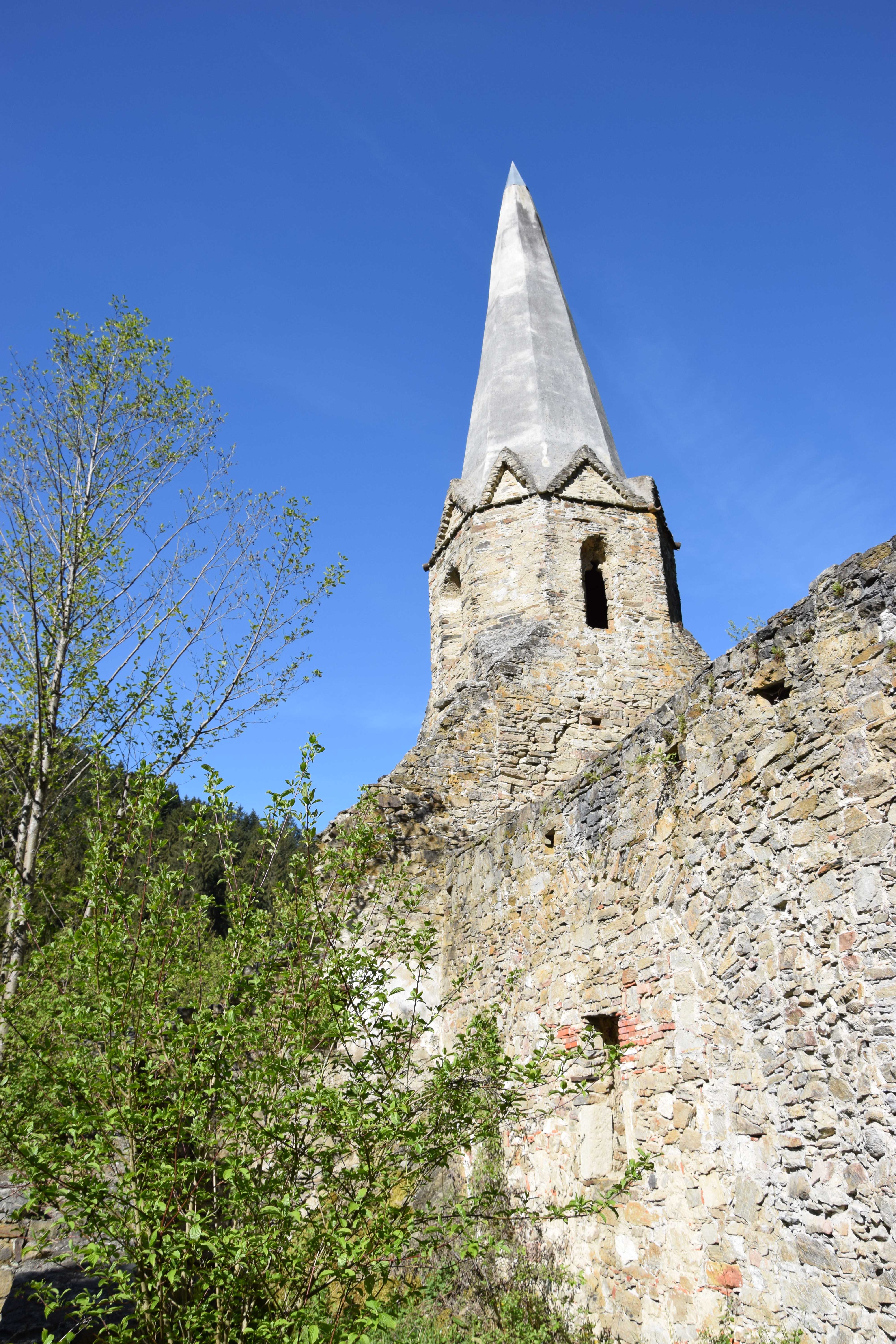
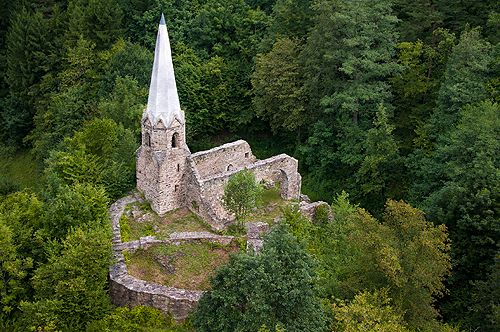
Only remnants of the former Gossam Castle, which dates back to the 11th century, remain. Some of it was repaired up until 1994. The castle chapel is much better preserved. In the late Middle Ages during the 14th century - when the castle was already in a state of decay - it gained some importance as a pilgrimage site in honor of Saint Pankraz.
The pilgrimage declined with the Reformation. However, church services were still held until 1780. The 30 or so graves of stillborn or prematurely deceased "Traufkindern" also date from this time: According to Catholic doctrine, it was not the kingdom of heaven that would have awaited them, but "limbo". To protect them from the influence of the devil, the children were buried at the church: if it rained once during a baptism, the rainwater was also considered blessed - and each child was therefore baptized.
Would you have guessed?
"Miracle baptisms" were also common, especially in the 16th century: This involved the parents taking the deceased child on a pilgrimage. The child was then ritually "raised from the dead" and baptized.