Explore destinationDonau.com

The Lower Austrian Danube region reveals a cultural landscape whose value extends far beyond the material. The journey begins in the distant past, visible in the over 25,000-year-old Venus of Willendorf and the oldest female sculpture, the 32,000-year-old Fanny vom Galgenberg, which mark the beginnings of human forms of expression.
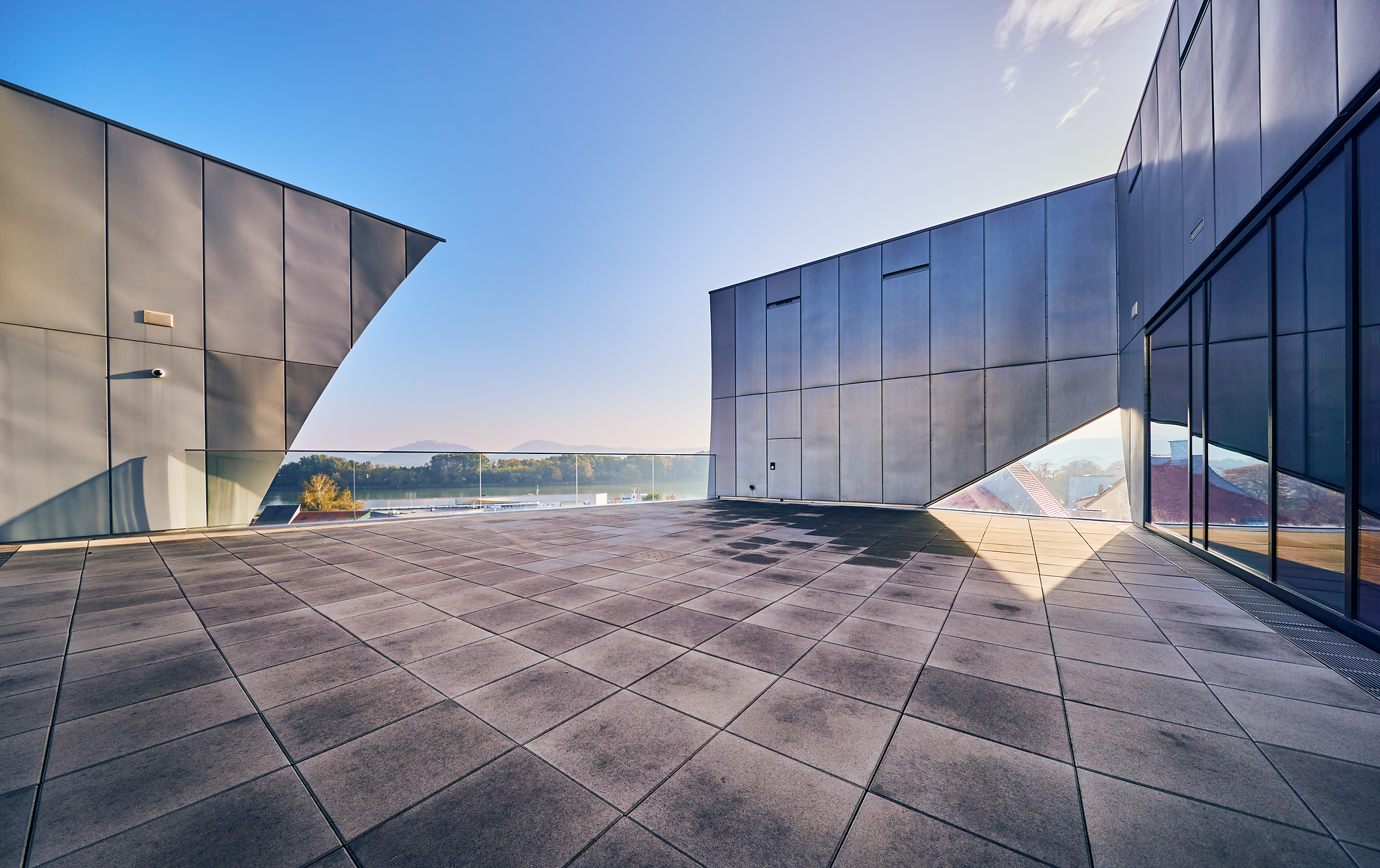
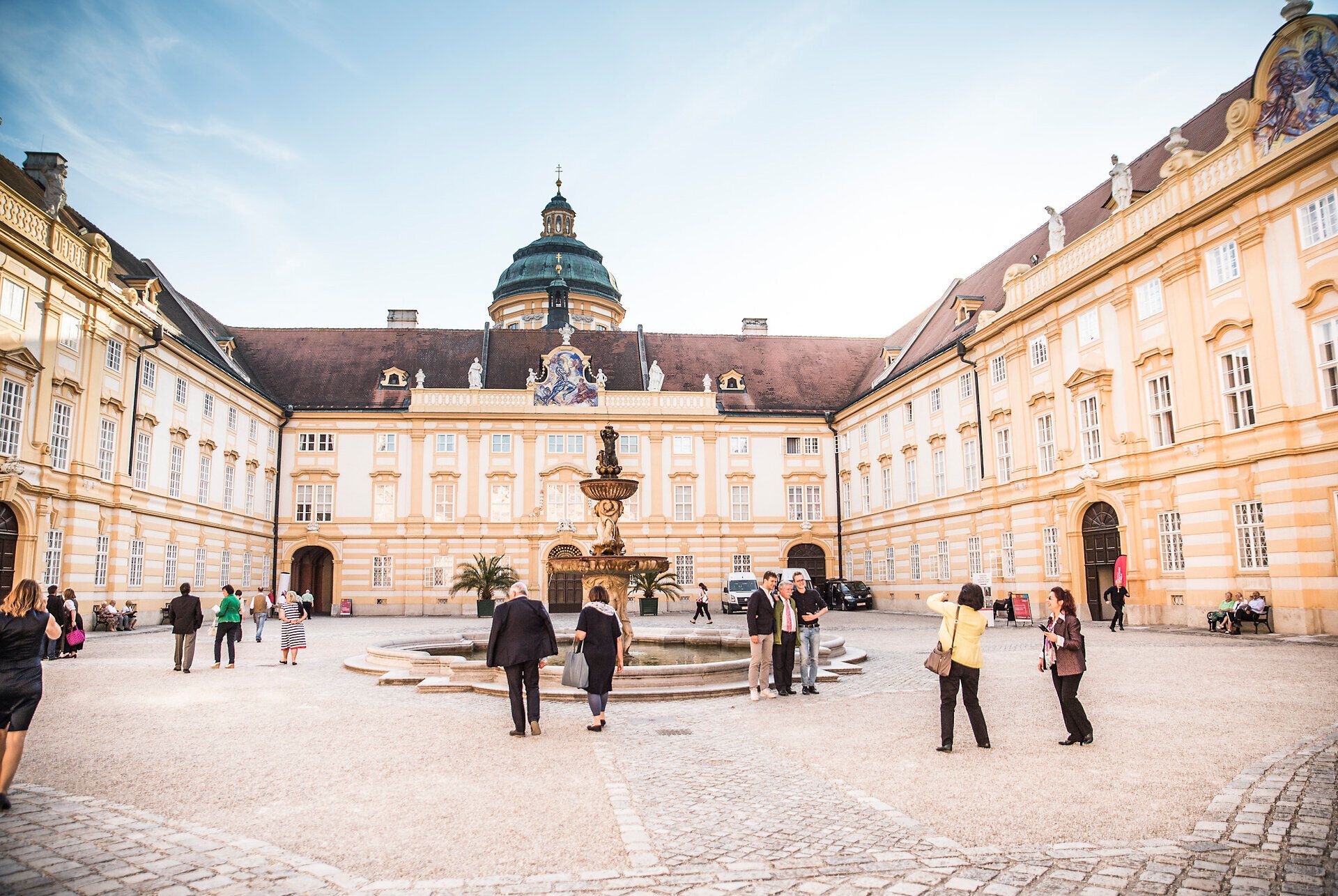
The exploration of history continues in the footsteps of the Romans along the Danube Limes and in the settings of the Middle Ages, where myths such as the Nibelungen saga and the history of castles (Dürnstein ruins) invite inner reflection. The baroque splendour of the Melk and Göttweig monasteries invites contemplation on transience and mastery. This spectrum is complemented by the traces of famous composers and painters (Haydn, Schiele) as well as contemporary reflection in the Kunstmeile Krems and at the multi-faceted festivals and various Danube stages.
The Danube region of Lower Austria offers a cultural landscape of profound value, whose history stretches from the Palaeolithic Age to the modern era and invites conscious reflection. The journey begins with the beginnings of human art, evidenced by finds such as the Venus of Willendorf and Fanny vom Galgenberg. Along the Danube, historical witnesses such as the Roman Limes, the Nibelungen saga and the Baroque splendour of the Melk and Göttweig monasteries allow for a meditative anchoring in the past. This spectrum is completed by the traces of important composers and painters as well as contemporary reflections in the Kunstmeile Krems.
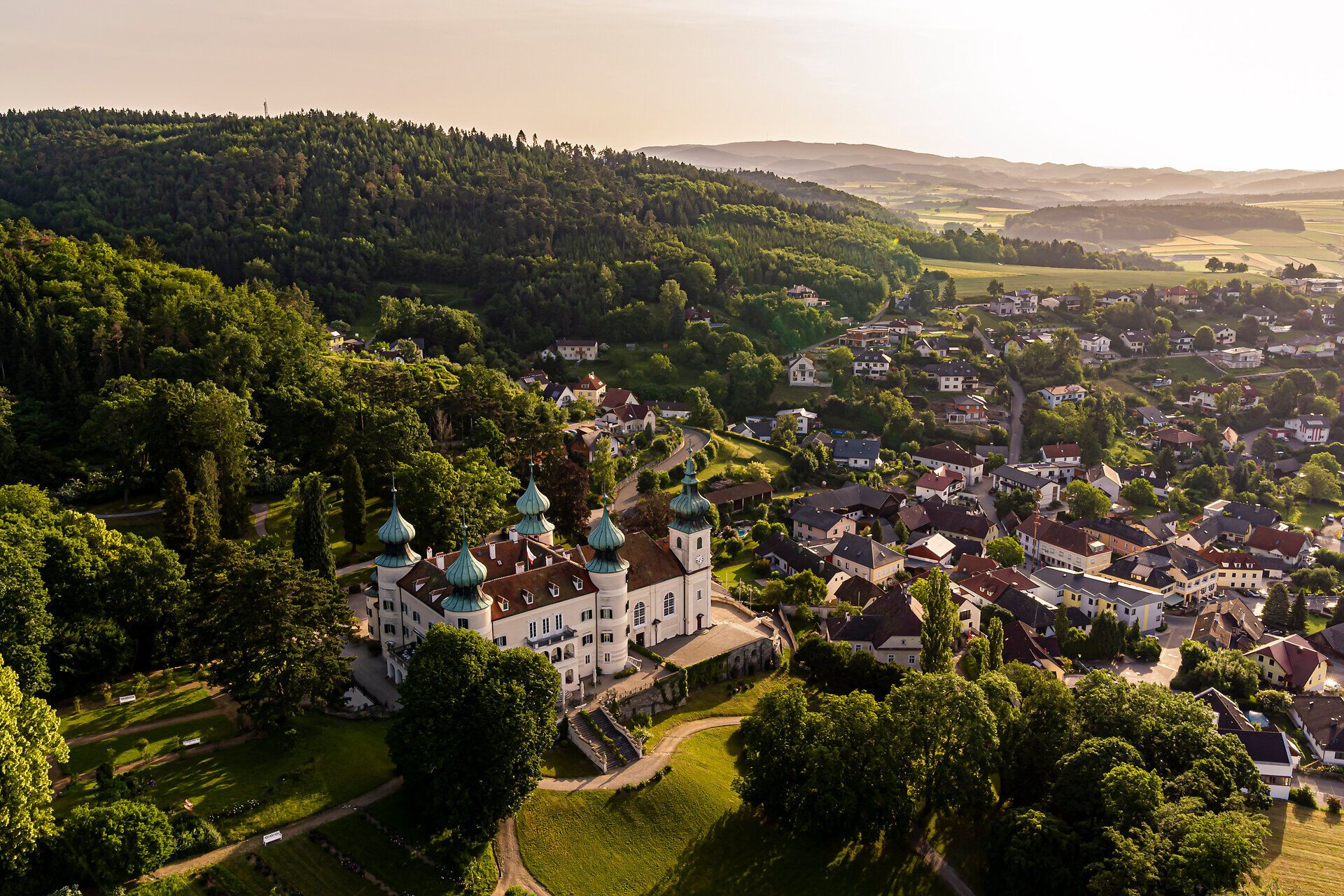
The Wachau-Nibelungengau-Krems Valley region is a lifeline full of adventure, history and natural beauty. From the UNESCO World Heritage Site region of Wachau to the historic Nibelungengau and impressive traces of Roman times. Impressive monasteries, picturesque wine landscapes, cycle paths, castles and unspoilt nature parks are waiting to be discovered – perfect for unforgettable days by the river.
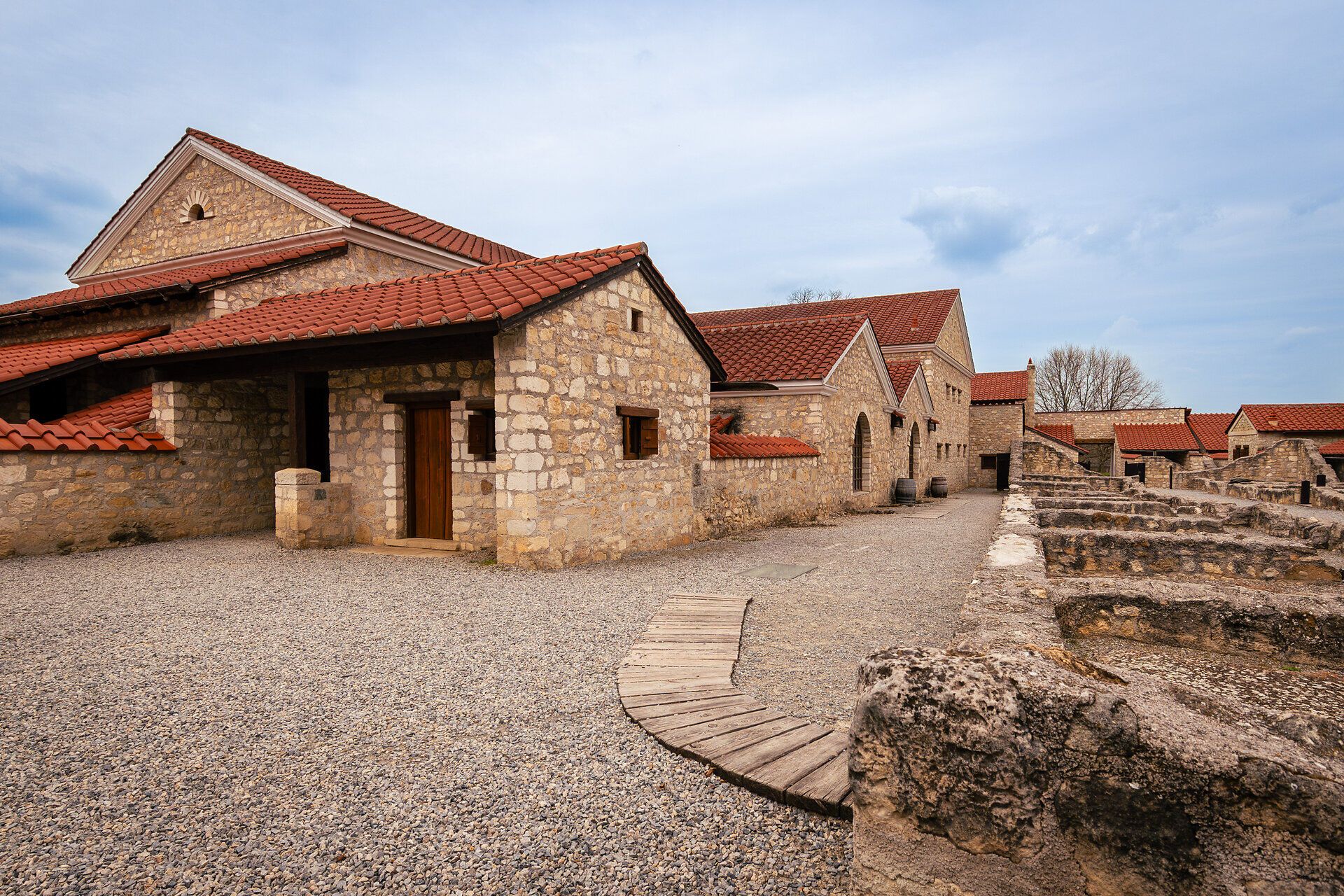
The Danube Limes was the outer border of the Roman Empire and stretches through Lower Austria as an important historical monument. As part of the UNESCO World Heritage Site, its remains of former forts, watchtowers and Roman towns bear witness to its former military and cultural power. These archaeological sites invite visitors to take a deeper look at Roman history and its formative role in the Danube region.
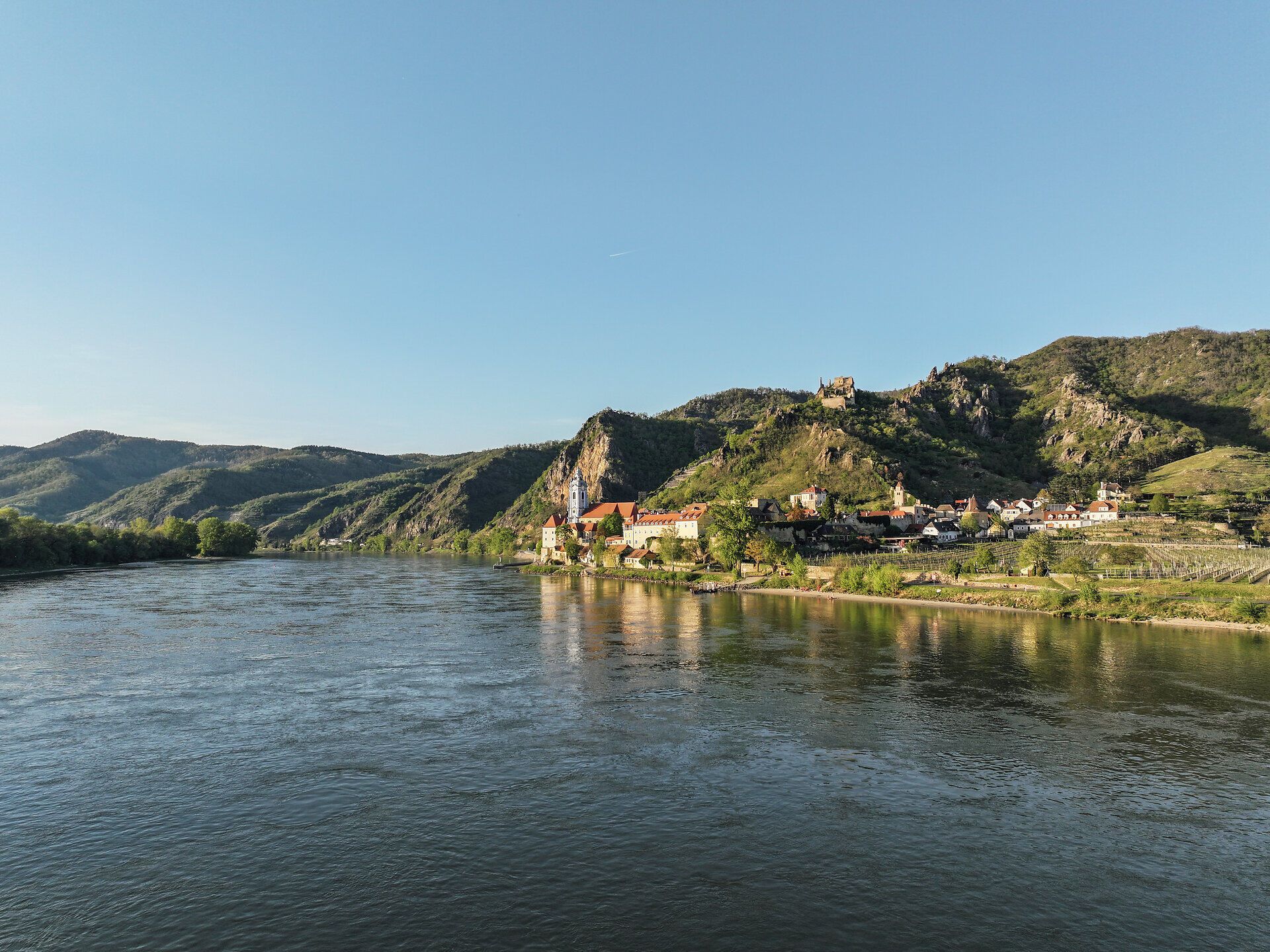
The Wachau, a 36-kilometre-long Danube valley between Melk and Krems, has been declared a UNESCO World Heritage Site due to its unique symbiosis of nature, architecture and agricultural culture. Here, steep, terraced vineyards meet medieval castles, historic towns such as Dürnstein and the monumental Melk and Göttweig abbeys. The region is not only a place of longing for connoisseurs (especially apricots and wine), but also a living monument to a cultural landscape that has grown over centuries.
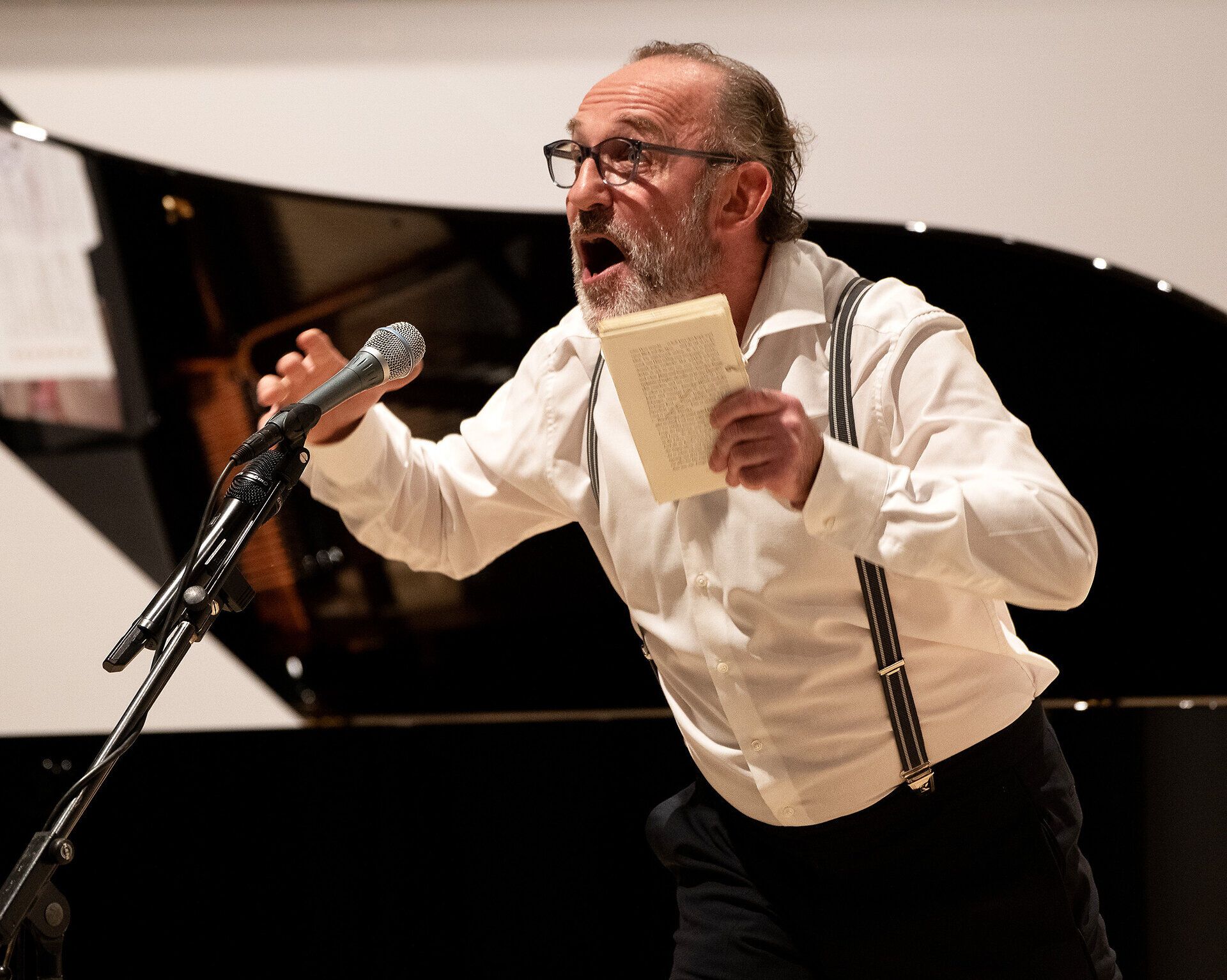
The Danube is the setting for a lively and diverse festival scene. The spectrum ranges from classical music to cabaret and contemporary performance to literature – always of the highest standard. This unique mix of genres enriches the cultural landscape in a lasting way, attracts both international and local audiences, and makes the region a vibrant cultural centre. The most important festival formats are summarised here.
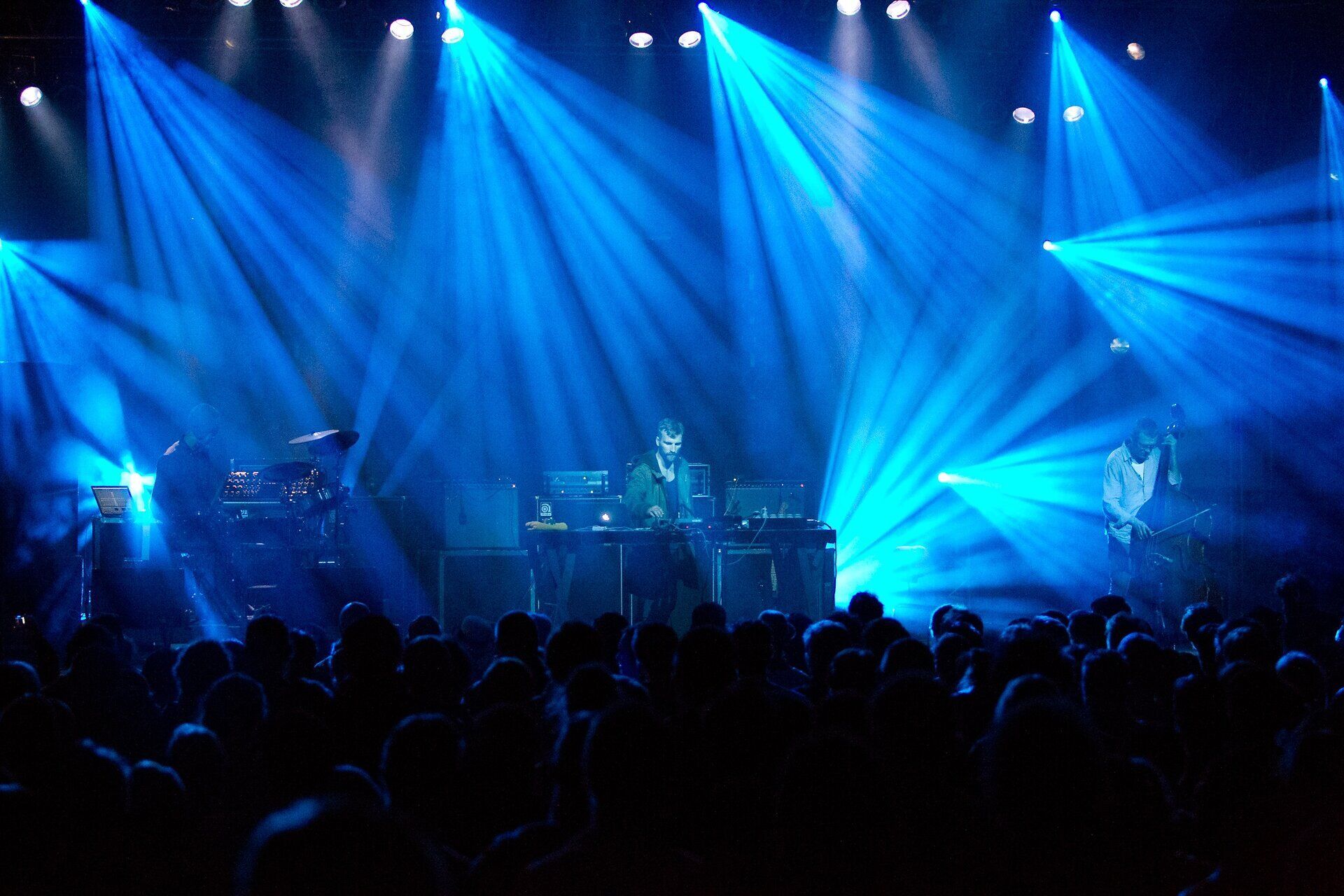
From high-calibre cultural festivals and concerts to traditional wine festivals and wine taverns, atmospheric markets and regional folk festivals. This diversity makes the Danube a lively meeting place where guests can experience the local culture, cuisine and special hospitality of the region up close.