A Roman cavalry fort called Comagenis was once located on the site of present-day Tulln as part of the Danube Limes.
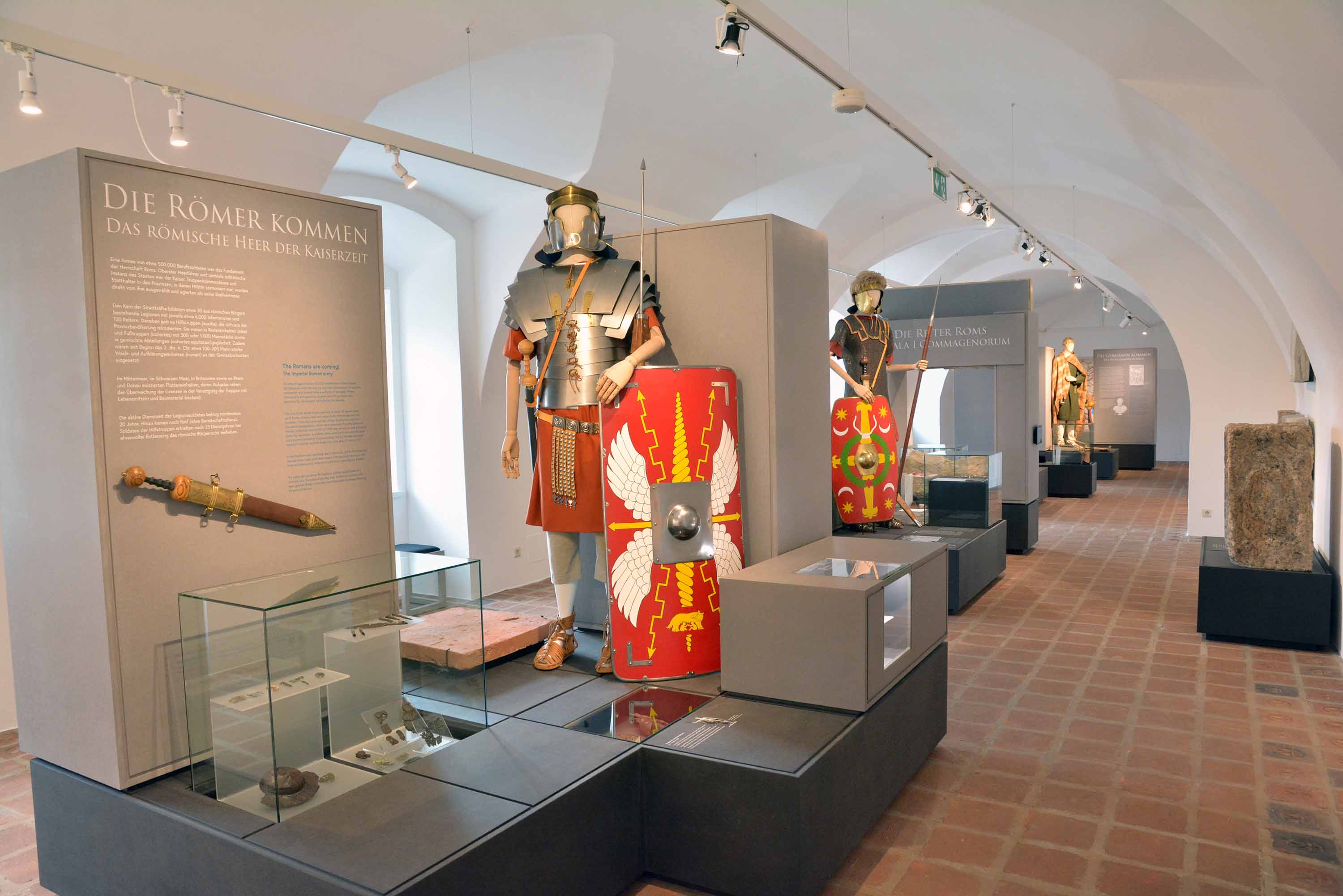
Tulln, situated on the Danube, presents itself as an important Roman town with a variety of historical sites. The Tulln Roman Museum in Marcus Aurelius Park offers modern educational programs that provide insights into the Roman camp of Comagenis and the history of migration and emancipation 2,000 years ago.
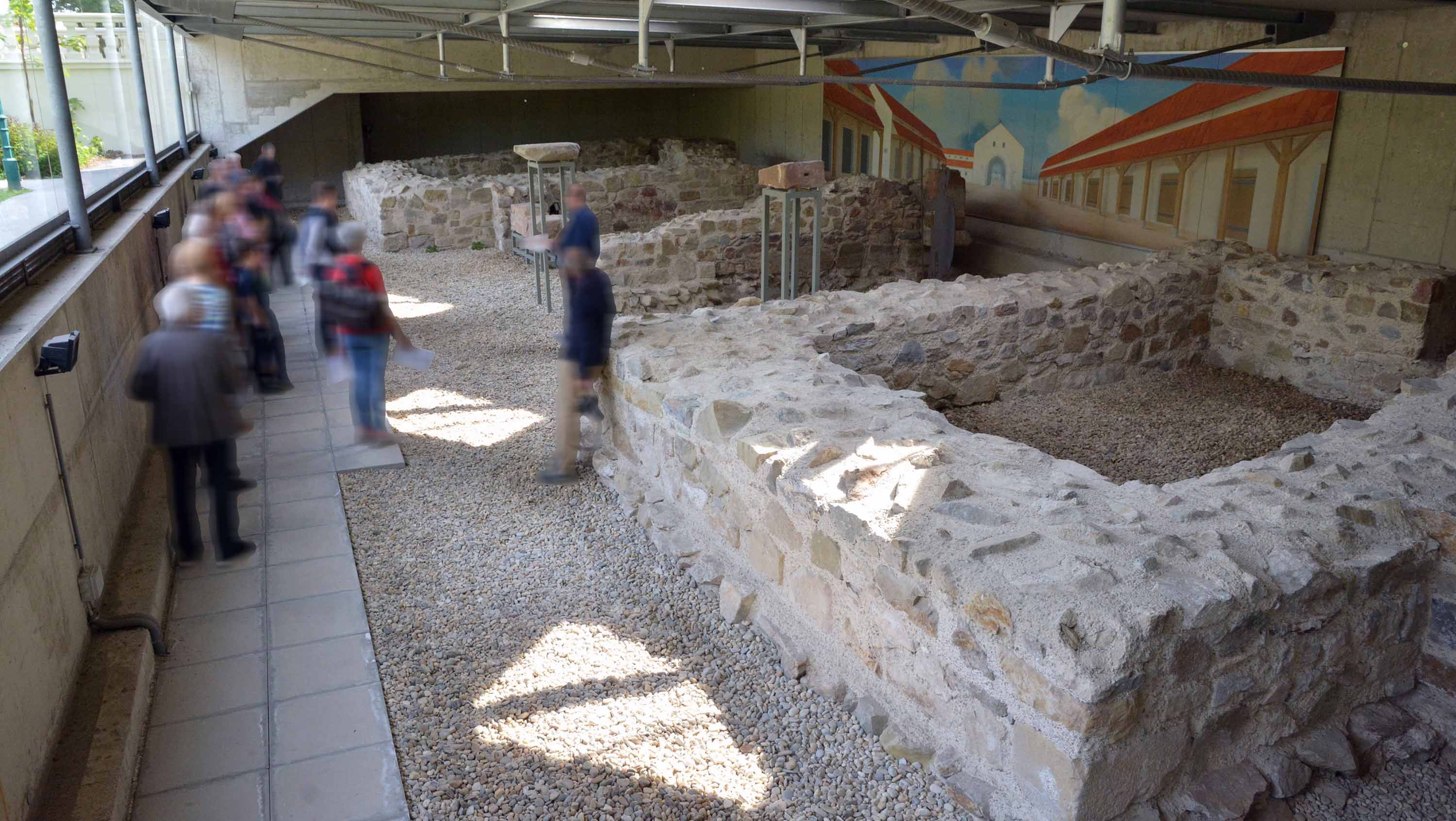
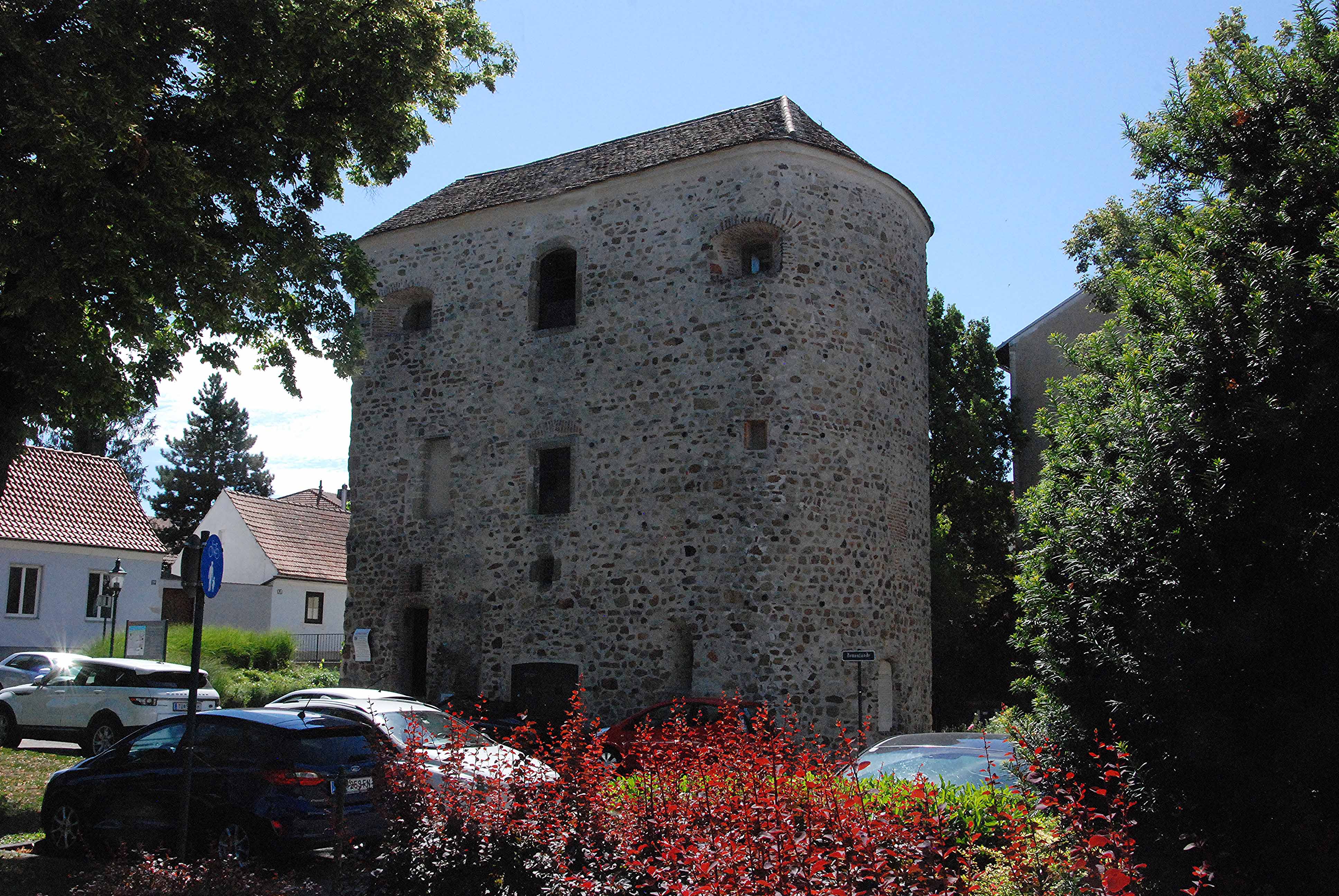
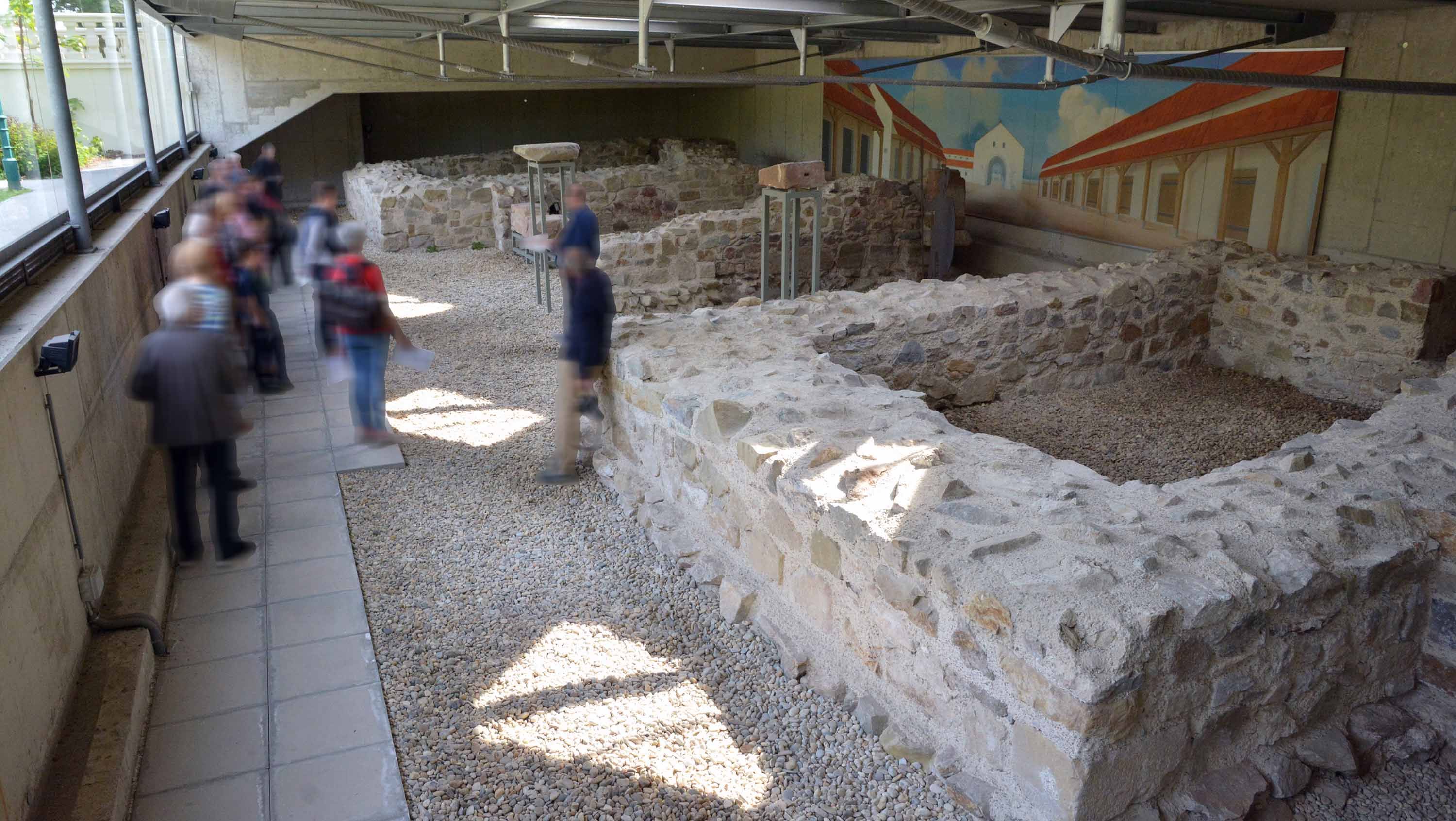
The Roman Tower, a horseshoe-shaped flank tower from the 3rd century AD, and the double gate "porta principalis dextra" are impressive relics of Roman architecture and bear witness to the military importance of the region.
The Danube Limes, the ancient border of the Roman Empire, runs along the Danube and was inscribed on the UNESCO World Heritage List in 2021. In Tulln, visitors can see the remains of the eastern camp double gate and the fan tower of the Comagenis cavalry camp and learn more about the Roman history of the region.
These historical sites invite you to immerse yourself in Tulln's Roman past and discover the traces of the Romans along the Danube.
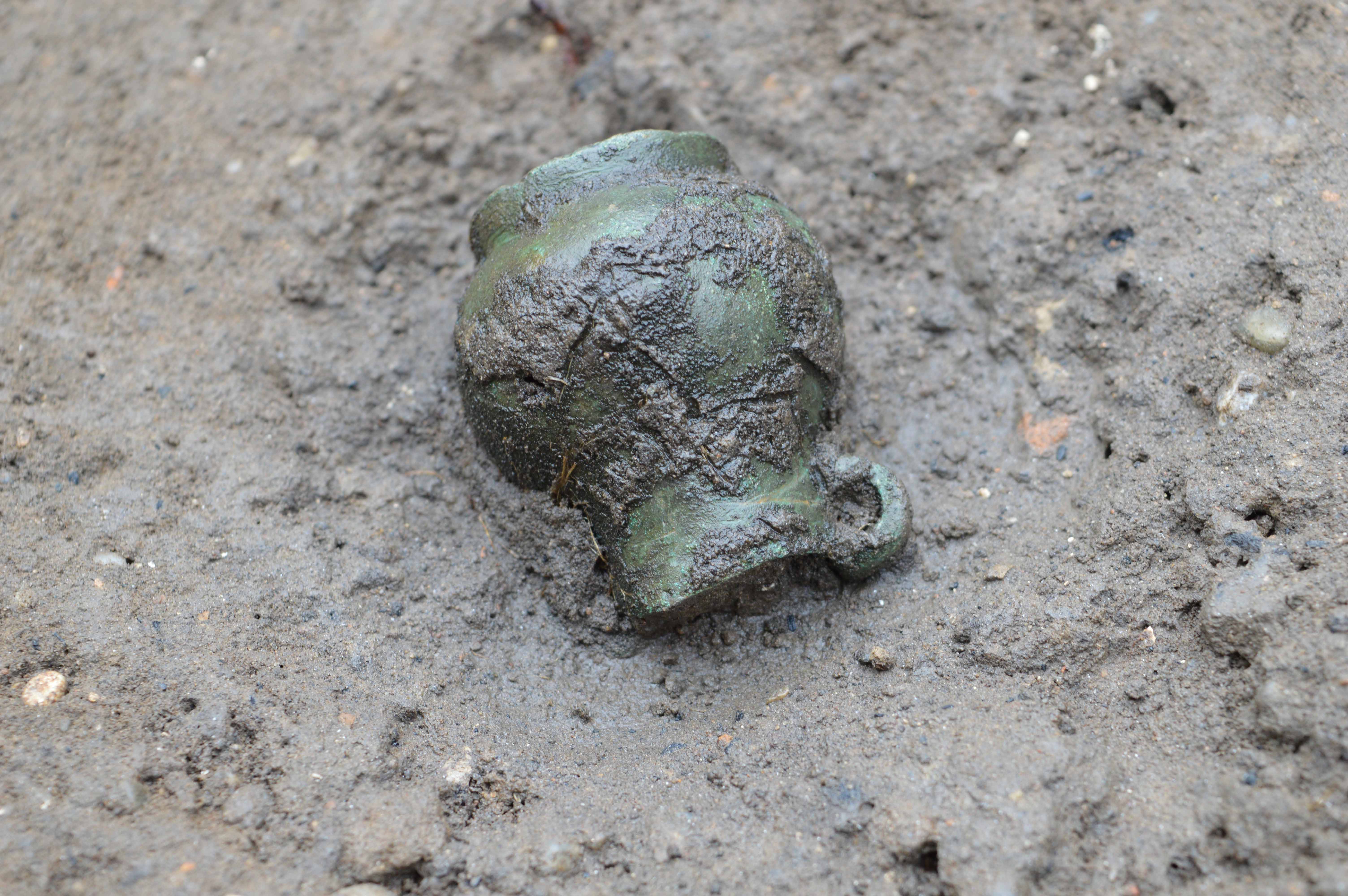
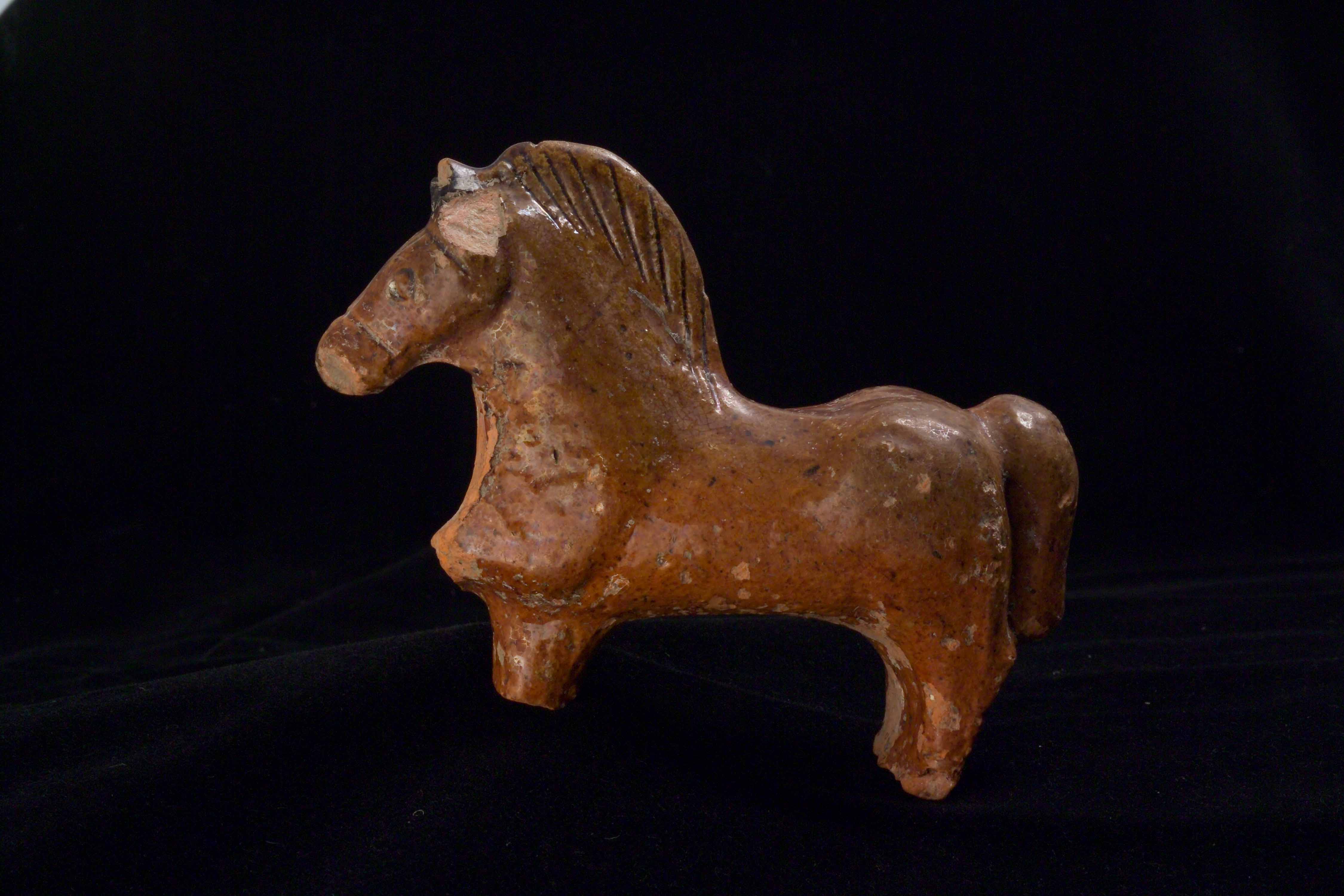
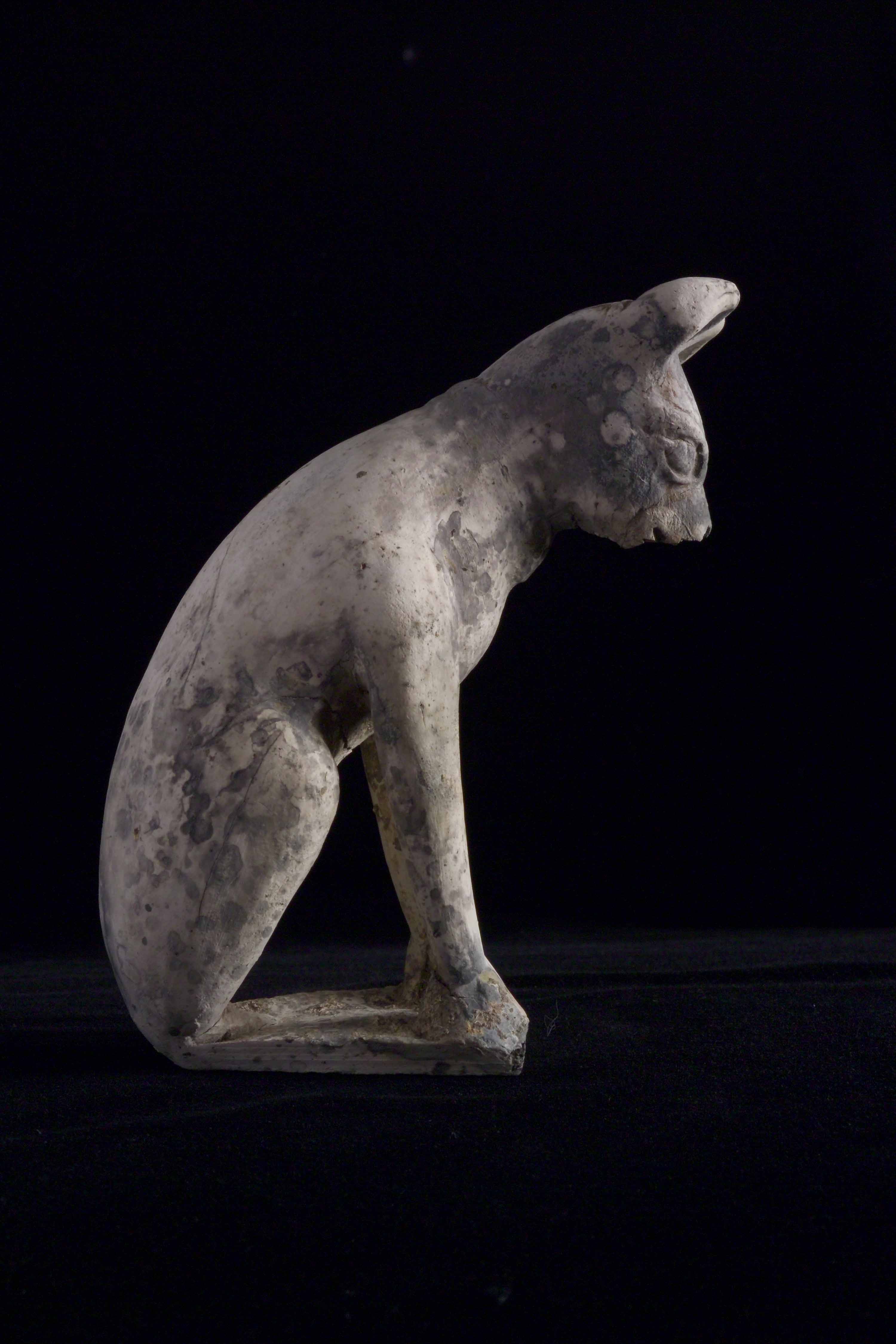
Tip: The Roman Museum in the Tulln City Museum is dedicated to the history, exhibition and presentation of finds from the fort and the civilian settlement of Comagenis.